The headline is a new $1.9 billion steel project, but the industrial decision begins before steel is made. On October 30, 2026, U.S. Steel marked the start of a direct-reduced-iron facility at its Big River campus in Osceola, Arkansas. The project is designed to supply an electric-arc-furnace operation using iron from the company's Minnesota mining network. That makes it both a manufacturing expansion and a change in how ore, energy and steelmaking are linked. The question is what this process actually does—and which benefits should be measured rather than assumed.
What U.S. Steel announced
U.S. Steel announced a $1.9 billion direct-reduced-iron, or DRI, facility next to Big River Steel 2 in Osceola. The company expects roughly 200 permanent positions and around 2,000 construction jobs at the peak of the project. The Arkansas Economic Development Commission confirmed the groundbreaking and described plans to connect Minnesota iron ore operations with Arkansas steel production.
The company said preliminary site preparation was underway and that construction was expected to begin in the latter part of 2026. These are project commitments and estimates, not completed jobs or a finished production line. No independently audited future plant output or payback period is established by the groundbreaking announcement.
Sources: U.S. Steel Breaks Ground on $1.9 Billion Arkansas Direct Reduced Iron Production Plant · U.S. Steel Breaks Ground on $1.9 Billion DRI Facility in Osceola, Arkansas
Why direct-reduced iron matters
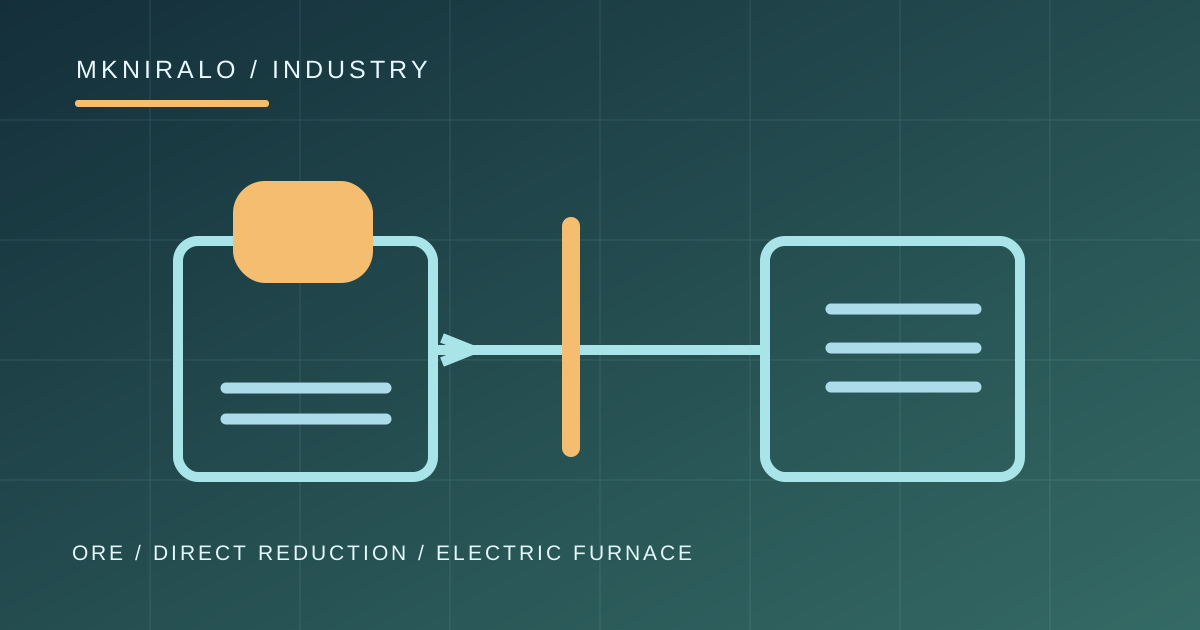
Conventional integrated steelmaking often uses coal-derived coke in a blast furnace to turn ore into iron before steel is refined. Direct reduction follows a different path: it removes oxygen from iron ore without melting the material in the same way as a blast furnace. The resulting iron can then supplement scrap as an input to electric-arc-furnace steelmaking.
The World Steel Association explains that DRI production commonly uses natural gas and that electric furnaces can combine DRI with recycled scrap. That combination gives a steel producer more flexibility over feedstock and potentially over emissions. It does not mean the process is automatically carbon-free.
Sources: U.S. Steel Breaks Ground on $1.9 Billion Arkansas Direct Reduced Iron Production Plant · Climate change and the production of iron and steel · Steel Production
The Minnesota-to-Arkansas supply-chain strategy
U.S. Steel describes the project as a mine-to-mill connection: Minnesota iron ore would become an input for steelmaking in northeastern Arkansas. The location beside an existing electric-furnace complex could reduce some coordination and transport complexity between process stages, although the company has not published a full independent logistics comparison.
For industrial customers, feedstock consistency matters. Electric furnaces can make steel from scrap, but the quality and chemistry of available scrap vary. Adding a controlled source of DRI may help operators meet tighter specifications for products serving automotive, appliance and solar-sector customers. The practical benefit needs to be demonstrated through quality, yield and delivered cost.
Sources: U.S. Steel Breaks Ground on $1.9 Billion Arkansas Direct Reduced Iron Production Plant · U.S. Steel Breaks Ground on $1.9 Billion DRI Facility in Osceola, Arkansas · Steel Production
What should 'cleaner steel' mean here?
Process choices can change the climate footprint of steel, but the result depends on inputs. A DRI unit running on natural gas has a different emissions profile from one supplied with low-emissions hydrogen; the electric furnace's carbon footprint also changes with electricity generation. Worldsteel's technical explanation makes clear that iron production is often a major source of emissions.
Therefore the relevant evidence is life-cycle and operational data: greenhouse-gas emissions per tonne of finished steel, fuel mix, power mix, ore handling, material yields and any planned changes over time. Marketing labels such as 'next generation' or 'more sustainable' are claims about direction until project-specific measurements substantiate them.
Sources: U.S. Steel Breaks Ground on $1.9 Billion Arkansas Direct Reduced Iron Production Plant · Climate change and the production of iron and steel
What a community should watch during construction
Investment announcements bring expectations of jobs, contractors and local tax benefits. They can also create demands on roads, utilities, land, water and local services. A good industrial-impact assessment should examine the construction timeline, workforce training, environmental permits and the relationship between temporary and permanent jobs.
The Arkansas project is important because it illustrates how mature industries can change their production chains without abandoning core products. Its success will be judged by a working plant, reliable output, cost performance, transparent environmental metrics and benefits that reach people beyond the groundbreaking ceremony.
Sources: U.S. Steel Breaks Ground on $1.9 Billion Arkansas Direct Reduced Iron Production Plant · U.S. Steel Breaks Ground on $1.9 Billion DRI Facility in Osceola, Arkansas · Climate change and the production of iron and steel