Nearly two billion dollars of newly approved climate finance makes a powerful headline. On October 29, 2026, the Green Climate Fund announced its largest single board-meeting approval package and a new annual high. As governments prepare for COP31 in Türkiye, the announcement offers a concrete example of money moving through international climate institutions. It also exposes a less visible question: how much of that approved money will reach communities, how quickly, and what measurable difference will it make?
What did the Green Climate Fund approve?
At its 46th board meeting in Songdo, the fund approved 21 projects and programmes, including additional support for an existing facility. Its own announcement described roughly $1.9 billion in new financing; Reuters reported a more precise $1.97 billion package. The figures refer to the same board meeting, not two separate cash transfers.
The GCF said its approvals for 2026 reached $3.2 billion and its cumulative approved portfolio stood at $22.3 billion for 379 projects and programmes. The broader total, including expected co-financing, was $86.4 billion. Co-financing is funding associated with projects from other parties; it must not be counted as additional money supplied solely by the GCF.
Sources: GCF financing tops USD 3 billion for consecutive record year as reforms continue to deliver · Green Climate Fund approves record near $2 billion funding · Forty-sixth meeting of the GCF Board (B.46)
Why an approval is not a completed project
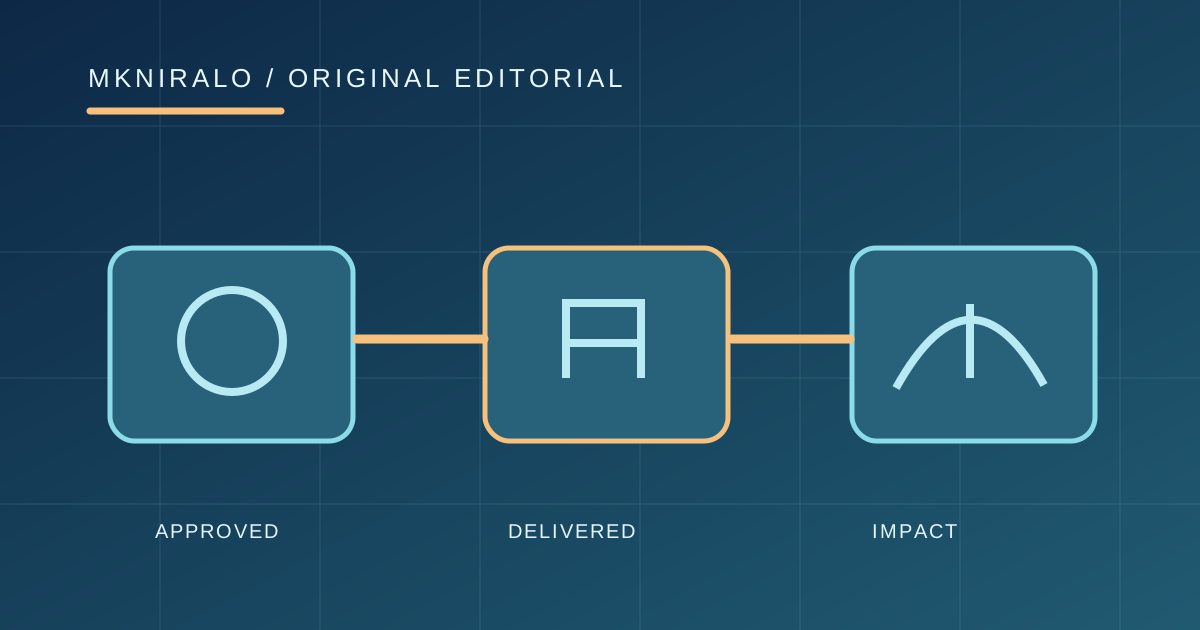
Board approval authorizes financing under conditions; implementation involves contracting, drawing funds, procuring equipment and completing local activities. A coastal resilience project can be approved today while protective infrastructure or community services arrive much later. That timing distinction is essential when judging whether climate funding is solving an urgent problem.
UN Climate Change's October 27 reporting on adaptation planning identified barriers between approved financing and practical access. Lengthy processing and delays in disbursement can prevent countries from turning plans into action. Those bottlenecks mean it is reasonable to celebrate the funding decision while continuing to ask when measurable benefits begin.
Sources: GCF financing tops USD 3 billion for consecutive record year as reforms continue to deliver · UN Climate Change reports show Paris Agreement progress but implementation gaps
Who gets to make the decisions?
The fund said 34% of the finance approved at this board meeting would flow through national or regional direct-access entities. That matters because local institutions may be closer to a country's priorities and better placed to maintain projects after outside advisers depart.
However, direct access does not remove the need for accountability. Programme design, procurement, safeguards, public reporting and the participation of affected communities still determine whether money matches needs. The geographic spread of approvals should be assessed through the actual project list, not by treating a funding total as proof that every vulnerable region received an equal share.
Sources: GCF financing tops USD 3 billion for consecutive record year as reforms continue to deliver · Forty-sixth meeting of the GCF Board (B.46)
Why private investment is part of the plan
Reuters reported that the latest approvals included about $682 million for private-sector initiatives. The fund wants each dollar it contributes to encourage more outside capital, particularly for projects where clean infrastructure or resilience measures have large up-front costs.
Mobilizing private finance can increase the reach of a public climate fund. It can also favour investments with commercially attractive returns over needs that are hardest to monetize. Protecting a coastal village, improving drought information or maintaining public health systems may generate social value without producing a conventional profit stream. The test is whether the mix of tools serves climate needs rather than only finance metrics.
Sources: GCF financing tops USD 3 billion for consecutive record year as reforms continue to deliver · Green Climate Fund approves record near $2 billion funding
How this connects to COP31
COP31 is scheduled for November 9–20 in Antalya. The UN climate secretariat has already warned that implementation of national climate plans remains far below what is needed for the Paris Agreement's temperature goals. More approved projects support that effort, but they do not alone close the worldwide financing and emissions gaps.
The GCF's next replenishment cycle will ask contributors to commit resources for future years. A large approval package may strengthen confidence in the fund's capacity, yet the ultimate argument for replenishment rests on whether money is delivered transparently and produces verifiable adaptation and mitigation outcomes.
Sources: Forty-sixth meeting of the GCF Board (B.46) · UN Climate Change reports show Paris Agreement progress but implementation gaps · About COP31
A useful scorecard for the months ahead
Track the number of projects that reach legal effectiveness, funds disbursed, milestones completed, safeguards met and results published by the implementing institutions. Distinguish a project that receives approval from one that reaches its first household, farm, school or public service.
This record package is meaningful progress in building a pipeline of climate projects. It is not evidence that the projects are already finished or that future climate risks have disappeared. The most important figures will eventually be about people, ecosystems and emissions—not just the size of a board decision.
Sources: GCF financing tops USD 3 billion for consecutive record year as reforms continue to deliver · Forty-sixth meeting of the GCF Board (B.46) · UN Climate Change reports show Paris Agreement progress but implementation gaps · About COP31