Sectra has signed a seven-year agreement with Mount Sinai Health System in New York to provide Sectra Reporting as part of its Sectra One Cloud enterprise imaging platform. The contract covers all radiology services, which handle more than 1.2 million examinations a year, and the system is scheduled to go live in spring 2027. The announcement brings image review, AI-assisted report drafting and radiology reporting into one workflow. But it describes a planned deployment, not a system already in routine use or proof that AI has improved diagnostic accuracy or patient outcomes.
A seven-year agreement across Mount Sinai radiology
Sectra says Mount Sinai is the first health system in the United States to partner with it for radiology reporting. The health system already uses Sectra's enterprise imaging solution for radiology, breast imaging and its enterprise archive. The new agreement adds Sectra Reporting to that existing environment rather than announcing a separate imaging platform.
The seven-year contract covers all Mount Sinai radiology services and more than 1.2 million examinations annually. Sectra says the agreement was signed in the second quarter of its 2026/2027 financial year, with go-live planned for spring 2027. No contract value or detailed implementation schedule is included in the announcement. The scale makes this more than a small departmental trial, but the deployment has not yet reached its planned start date.
Sectra introduced its built-in reporting solution to the US market in November 2025. The Mount Sinai agreement is therefore an expansion of the company's US reporting strategy; the “first” claim refers specifically to the first US health-system partnership with Sectra for radiology reporting, not to the first use of AI-assisted radiology reporting in the country.
Sources: Sectra Reporting brings imaging, AI, and radiology reporting together in one system at Mount Sinai Health System · Sectra launches its built-in reporting solution in the US
What changes in the reporting room
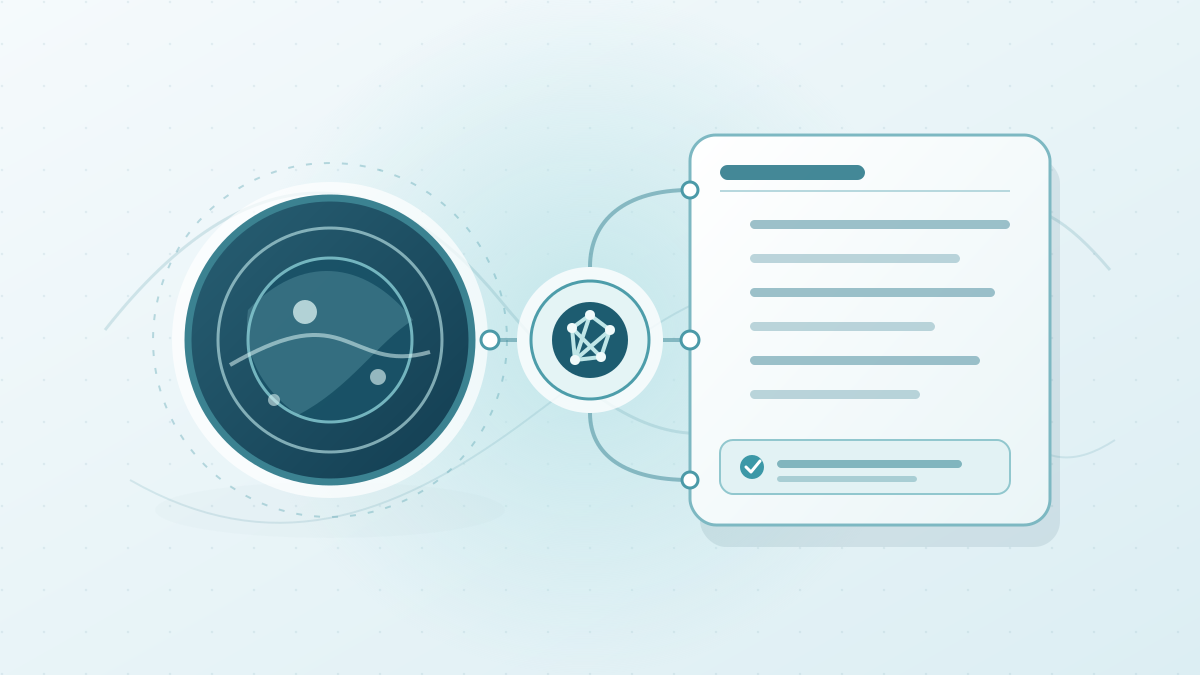
The intended workflow runs from a radiologist's worklist to image review, dictation, report preparation and final signature inside one diagnostic environment. Sectra says radiologists will no longer need to move between separate systems to complete the reporting task. The company also says the integrated module can structure a report automatically, present an AI-drafted impression and run checks that flag inconsistencies before the report is signed.
Mount Sinai's Vice Chair of Radiology Information Technology, Dr. David S. Mendelson, said in the announcement that embedding reporting in the existing picture archiving and communication system (PACS) would allow the reporting workflow to evolve with the imaging platform and make new capabilities available without another system integration. The final report still requires radiologist sign-off; the release does not describe an autonomous system that signs reports or replaces the clinician.
Sources: Sectra Reporting brings imaging, AI, and radiology reporting together in one system at Mount Sinai Health System · David S. Mendelson, MD — Radiology profile
What the AI is—and is not—being asked to do
The distinction between an AI-assisted report and an AI diagnosis is important. In the announcement, Sectra describes AI as helping to prepare an impression and check the report before sign-off. It does not say that this module independently interprets the images, makes a diagnosis or decides what treatment a patient should receive. The radiologist remains responsible for reviewing the images, considering the clinical context and signing the report.
Sectra's product documentation describes its auto-impression feature as a tool that can summarize and organize a radiologist's dictated findings. Its US product FAQ says the draft can be adapted to a radiologist's previous reporting style and compared against the findings before it is presented for review. These are the vendor's descriptions of the product. The Mount Sinai contract announcement does not identify the specific AI model, disclose how the feature will be configured at the health system, or publish independent performance results for the deployment.
Sources: Sectra Reporting brings imaging, AI, and radiology reporting together in one system at Mount Sinai Health System · Sectra Reporting — integrated, AI-enhanced reporting product documentation · Planning the transition to Sectra Reporting — product FAQ on AI impression drafting
Why putting the tools together matters
Radiology reporting is not just a writing step after image interpretation. The report connects what a radiologist sees with the information that referring clinicians use to make decisions. When images, prior examinations, measurements, dictation and reporting tools sit in separate systems, staff may need to switch applications, re-enter information or reconcile different views of the same case.
Sectra's case for a unified workflow is that keeping those elements together may reduce context switching, simplify IT integration and help shorten report turnaround times. Those are intended benefits, not measured results from Mount Sinai. The company has not published a before-and-after comparison of reporting time, correction rates or workload for this contract. The seven-year term and annual examination volume make implementation performance important, but they do not establish that the expected efficiency gains will occur.
Sources: Sectra Reporting brings imaging, AI, and radiology reporting together in one system at Mount Sinai Health System · Sectra Reporting — integrated, AI-enhanced reporting product documentation · Sectra launches its built-in reporting solution in the US
Mount Sinai's AI governance sets a high bar
Mount Sinai already publishes a system-wide AI governance framework. Its Digital Technology Partners describe committees that review AI requests, set policies and manage the lifecycle of clinical and operational AI systems. The health system says its governance team evaluates solutions, supports small pilots, introduces checkpoints to measure success and oversees risks before wider adoption.
Mount Sinai's AI Assurance Lab describes a complementary role: validating systems, testing simulated clinical workflows and monitoring performance over time. Those public materials provide context for the institution's approach to responsible AI, but they do not establish that Sectra Reporting has already passed a particular review or validation process. The agreement announcement does not say whether the module has been evaluated by the AI Review Board or Assurance Lab, nor does it publish any product-specific safety findings.
Sources: AI Governance and Safety · The Mount Sinai AI Assurance Lab
Spring 2027 is the next milestone
The next meaningful update will be the planned spring 2027 go-live. After deployment, useful evidence would include how long reports take before and after the change, how often radiologists accept or edit AI-generated impressions, whether quality checks catch meaningful inconsistencies, how frequently reports require correction, and whether the integrated workflow reduces or adds to staff workload. Reliability, access controls and patient-data protection will also matter in a cloud-based imaging environment.
For now, the agreement signals a move towards making AI-assisted reporting part of the same system radiologists use to review images, rather than another separate tool. That is a meaningful workflow decision at a large health system. Its clinical value, however, will depend on what happens after installation: how the AI performs under supervision, how radiologists use it, and whether the promised efficiency gains can be demonstrated without compromising the accuracy and accountability of the final report.
Sources: Sectra Reporting brings imaging, AI, and radiology reporting together in one system at Mount Sinai Health System · AI Governance and Safety · The Mount Sinai AI Assurance Lab