As Dakar hosts Africa’s first Youth Olympic Games, young Senegalese surfers are finding an audience even without a medal event of their own. Local instructors offer free lessons, while scarce boards, travel costs and ocean pollution point to the work still needed after the Games end.
A wave of attention, but no medal race
For young surfers along Dakar’s Atlantic shoreline, the Youth Olympic Games have brought an unusual opportunity: international attention to a sport whose local participants usually train far from the main sporting stage. That attention does not translate into a surfing medal competition. The International Olympic Committee places surfing among ten engagement sports at Dakar 2026, rather than the 25 sports awarding medals. The distinction is central to what these young surfers can realistically gain from the event.
Senegal is hosting the Games from October 31 to November 13, the first Youth Olympics staged in Africa. Its programme was designed to match the host’s venues and resources, rather than automatically repeat the full range of Olympic disciplines. For surfers, the Games are therefore less about chasing a podium in Dakar than about showing that a community already exists, has young participants and needs the resources to develop beyond one moment in the spotlight.
Sources: What sports will be on the program in Dakar 2026? · IOC Executive Board approves events and athlete quotas for Dakar 2026
On Ngor’s beaches, lessons open a door
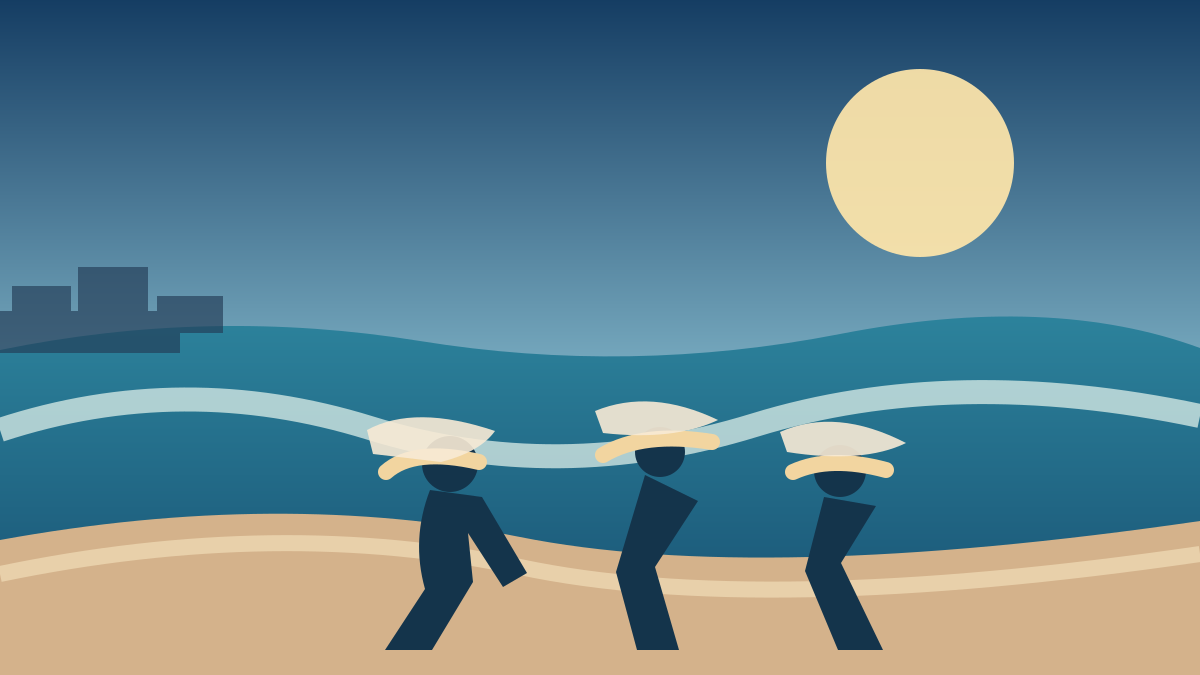
On the coast near Ngor, a fishing community in northern Dakar, surf instruction is becoming accessible to children who might otherwise struggle to pay for it. Euronews reported on November 9 that Anda Surf, led by Ibra Samb, combines paid teaching with free Sunday sessions for children from the neighbourhood. Volunteers introduce beginners to balancing on boards, standing up and learning to feel comfortable in the water. The weekly offer matters because taking a first lesson does not require a family to purchase equipment.
Associated Press reporting and images separately document Samb and fellow surfer Cherif Fall helping local children learn. The AP gallery shows warm-up exercises on Ngor beach and lessons at Virage beach, where more experienced students also train. The images were made in September and published as the Games drew attention to Dakar. They show practical coaching rather than an organised Olympic medal team. That is a meaningful distinction: the children are being introduced to a sport, not promised qualification for an event that does not exist on this Games’ medal schedule.
Sources: Video. Senegal: Dakar surf school helps young Africans reclaim the waves · Photos of Dakar’s surfers sharing their love of the waves with a new generation
The long road from a borrowed board
In surfing, the ocean may be accessible while the equipment is not. Euronews reported that students often share boards and that suitable clothing can be difficult to obtain. A shared board can make a community lesson possible, but limited gear also reduces how often someone can practise independently. Consistent time in the water is especially important for a sport built on reading waves, balance and repeated attempts. A free class is an entry point, not the whole pathway to development.
The expense grows if a talented young surfer wants to progress into wider competition. International travel, entry arrangements and sustained coaching all demand money beyond the price of a board. AP also identifies costly travel as a barrier. Neither report establishes a published budget for a particular student, and there is no basis to suggest the Games will fund these needs. The practical question is whether visibility can attract sustained equipment support and opportunities after the camera crews have left.
Sources: Video. Senegal: Dakar surf school helps young Africans reclaim the waves · Photos of Dakar’s surfers sharing their love of the waves with a new generation
Why the Olympic programme has two tracks
The IOC’s published programme draws a clear line between competition sports and engagement sports. Surfing is on the second track alongside activities including climbing, tennis and karate. The engagement programme is intended to introduce sports through on-site experiences and digital promotion; it does not carry official medal events. The IOC says the narrower competition schedule and emphasis on existing venues are part of a sustainable model tailored to the Senegalese host context.
That arrangement should not be described as surfing being banned or ignored. It has official visibility without a medal pathway at this edition. Nor should the programme be confused with the separate Olympic surfing competition at the senior Games. A child learning on Ngor beach is not a Dakar 2026 surfing medal contender. Yet engagement can still have value if visitors discover the sport, local clubs connect with new supporters, and participants gain a more realistic understanding of the routes into future events.
Sources: What sports will be on the program in Dakar 2026? · IOC Executive Board approves events and athlete quotas for Dakar 2026
Ocean conditions are part of the story
Access to the sea does not automatically mean access to a safe, supportive training environment. AP’s account lists ocean pollution among the difficulties that Dakar’s surfing community faces. The report does not offer measurements of water quality or establish that a particular beach is unsafe on any given day, so such conclusions would go beyond the evidence. It does, however, put environmental conditions beside boards and travel costs as concerns that a growing coastal sport cannot separate from its surroundings.
For children, a welcoming first session depends on more than a wave. Coaches, supervision and confidence in the water make participation possible, while suitable equipment helps beginners practise. AP photographs of group warm-ups and supervised beach instruction make that everyday work visible. These are not glamorous parts of an Olympic broadcast, but they determine whether a young person can return regularly and develop skills. The community’s challenge is to sustain that environment throughout the year.
Sources: Photos of Dakar’s surfers sharing their love of the waves with a new generation
What remains when the spotlight moves on
The Games could introduce audiences to a Senegalese surfing scene already active before the international event arrived. In the AP coverage, Samb and Fall are presented as surfers passing on skills learned with makeshift materials; Euronews describes a school using free sessions to lower the barrier for neighbourhood children. Those accounts show initiative rather than an official promise of a new funding programme. The young surfers’ opportunity is exposure, and exposure is difficult to measure until it leads to practical support.
A lasting benefit would look ordinary: enough boards for regular classes, continued access to coaching, opportunities for advanced students and a cleaner ocean environment. Whether any of those improvements follows Dakar 2026 is not yet established. For now, the story is not of Olympic surfing medals won or lost. It is of children stepping onto boards in Senegal’s capital while a global sporting event creates a rare moment for their ambitions to be noticed.
Sources: Video. Senegal: Dakar surf school helps young Africans reclaim the waves · Photos of Dakar’s surfers sharing their love of the waves with a new generation