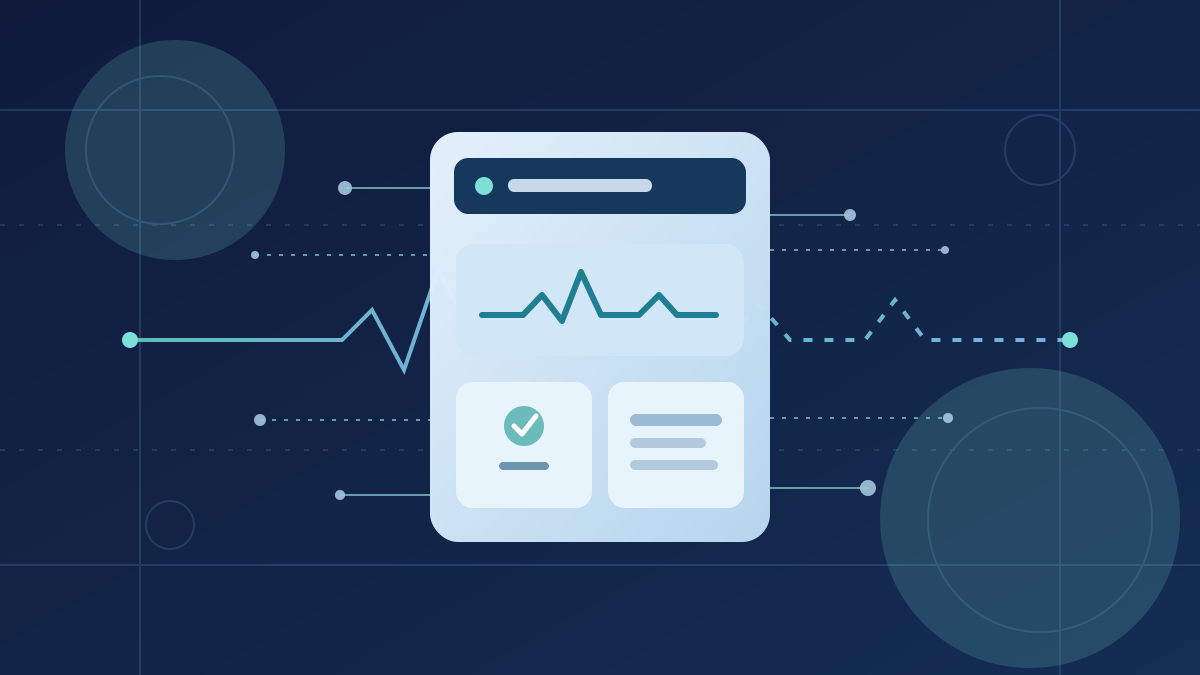
University Hospitals in northeast Ohio restored patient access to its MyChart portal on November 7, ending more than two weeks in which patients could not use the online service. The return is a meaningful milestone, but not a declaration that every affected system is back to normal. The hospital system says some features may remain unavailable and that new test results and other information could appear late while data is reconciled.
A Patient Portal Returns After More Than Two Weeks
University Hospitals said MyChart was accessible to patients again on Saturday, November 7, after a cybersecurity incident that began with unusual activity detected on its servers on October 22. The health system disconnected its systems from the internet as a precaution, taking the portal and other digital services offline while it investigated. Cleveland19 and News 5 Cleveland both reported the reopening using a new statement from UH, making November 7 the confirmed access-restoration date rather than an estimated timetable.
The change is significant because MyChart had become the most visible point of contact between many patients and their care teams. During the outage, patients could not use the portal to review test results, message doctors, renew prescriptions or manage appointments. UH's public incident page described the initial decision as a protective response to unusual server activity and said it had activated its response protocols. The page still carries an earlier notice that MyChart is offline, however, so its status text has not caught up with the newer November 7 announcement.
Sources: Cyber Incident · MyChart back online at University Hospitals after cybersecurity incident · UH MyChart "back up and running", after cybersecurity incident
What the November 7 Update Actually Confirms
The latest statement confirms that patients can access MyChart again; it does not say that every function has been restored. UH warned that some features might not be fully functional and that patients could see a slight delay in new test results and other information while MyChart data is reconciled and updated. The wording matters. A portal can accept log-ins and display some information while background data transfers, interface functions or connected services are still being checked. UH did not publish a feature-by-feature list of what was working or unavailable.
The health system described the reopening as an important milestone. Ansley Kelm, UH's Manager of Public & Media Relations, told News 5 Cleveland that MyChart availability would make it easier to communicate with patients and get test results. Cleveland19 quoted the same institutional message, which said the organisation was still working to become fully restored. Those statements establish the portal's return and UH's recovery objective. They do not establish that all digital services, external connections or administrative workflows have returned to their pre-incident state.
Sources: MyChart back online at University Hospitals after cybersecurity incident · UH MyChart "back up and running", after cybersecurity incident
Why Portal Access Matters to Patients
For patients, MyChart is more than a website. It is a route to information and routine tasks that otherwise require a phone call or another channel. News 5 Cleveland identified services affected by the outage, including checking test results, sending messages to doctors, renewing prescriptions and managing appointments. The disruption pushed some patients toward telephone contact at a time when UH was also reporting unusually high call volumes. That meant the loss of a digital channel could create extra work for patients and staff even when clinical sites remained open.
UH's incident page said clinicians could still access patients' test results during the outage, while patients could not view many results through MyChart. It directed people with urgent questions about results, appointments or medications to contact their provider's office. It also said people whose tests were processed by Quest Diagnostics could use Quest's own website, while some UH specialty-lab and inpatient results required contact with a doctor. Those were interim outage instructions, not a confirmation that every result pathway is now operating normally.
Sources: Cyber Incident · UH MyChart "back up and running", after cybersecurity incident · UH patients face longer phone waits as cyber incident disruption continues
Open Hospitals, Disrupted Digital Workflows
The incident did not mean that University Hospitals closed its hospitals or stopped providing care. UH said its hospitals, emergency departments and physician offices remained open, and that the vast majority of appointments and procedures continued. In its November 2 update, the system also acknowledged unusually high call volumes and asked patients to keep existing appointments unless their care team contacted them. The distinction between clinical operations and online access is central: care continued, but some administrative and communication tasks had to move to alternative channels.
Earlier reporting described the practical workarounds. Becker's Hospital Review reported that video visits had shifted to phone, Zoom or in-person appointments; prescriptions could be printed, faxed or called in when electronic prescribing was unavailable; and patients could not make payments at the point of service while UH-owned networks were disconnected from the internet. Ideastream reported on November 6 that the physician intranet used to access patient records was fully operational, even as patients still could not reach MyChart. These were snapshots of different systems at different points in the recovery, not proof that every workaround has since ended.
Sources: Cyber Incident · UH patients face longer phone waits as cyber incident disruption continues · University Hospitals still has no timetable for IT restoration · Two weeks after cybersecurity breach, UH says it's unclear when systems will be restored
The Cybersecurity Questions Remain Unanswered
The public information reviewed does not establish what kind of intrusion or malicious activity occurred. UH's incident page says it detected unusual activity on October 22, activated response protocols and disconnected its systems as a precaution. Its November 7 statement, as quoted by local broadcasters, focused on access restoration and the remaining data-reconciliation work. It did not say that patient information had been accessed, copied or exfiltrated. The absence of such a disclosure is not evidence that data were taken, but it is also not a confirmation that no information was affected.
Becker's reported on November 3 that UH had not disclosed the cause of the incident or whether patient information was compromised. Ideastream said the hospital had not answered questions about the type of attack detected, while a UH spokesperson confirmed the physician intranet was operating. Those earlier reports help define what was publicly known before the portal returned; they cannot settle questions that UH has not answered in its later restoration statement. It would therefore be inaccurate to label the event a confirmed ransomware attack or to report a patient-data breach as an established fact on the evidence currently available.
Sources: Cyber Incident · MyChart back online at University Hospitals after cybersecurity incident · University Hospitals still has no timetable for IT restoration · Two weeks after cybersecurity breach, UH says it's unclear when systems will be restored
Restoration Is a Process, Not a Switch
The next test is whether the restored portal can deliver complete, timely and reliable information, not simply whether its sign-in page is reachable. UH's warning about delayed new results and incomplete features makes data reconciliation a practical issue for patients: a missing result may reflect a delay in updating the portal rather than a new clinical finding. Patients with urgent questions should follow the health system's current instructions and contact their provider directly rather than assume that a delayed portal entry means a test has not been completed.
The incident page itself illustrates why clear status communication matters. When checked on November 9, it still displayed the earlier message that MyChart remained offline and referenced the November 2 update, while the newer November 7 statement reported by Cleveland19 and News 5 confirmed that access had returned. The two records describe different points in time, and the newer statement is the basis for the restoration milestone. Until UH updates its incident information and explains which services are fully back, the most accurate description is limited: MyChart access has been restored, some features and data updates may lag, and wider service recovery is continuing.
Sources: Cyber Incident · MyChart back online at University Hospitals after cybersecurity incident · UH MyChart "back up and running", after cybersecurity incident