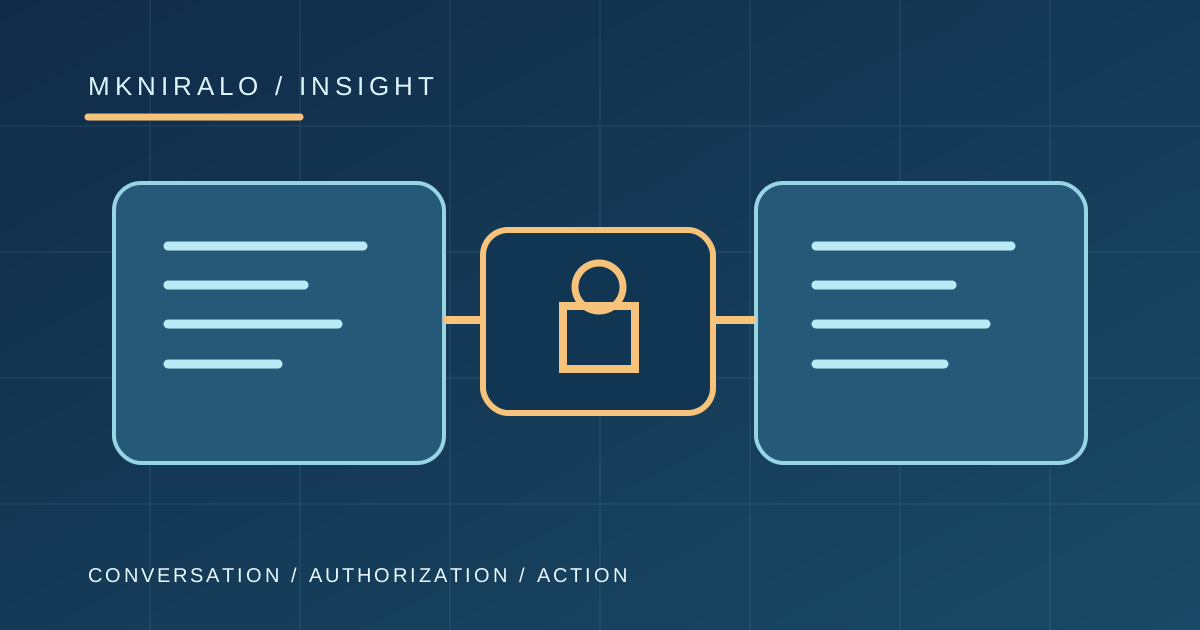
An AI assistant that summarizes an incident is a helpful interface. An assistant that updates the incident record, routes work to a responder or starts a remediation process participates in business operations. On October 28, 2026, OpenAI and ServiceNow expanded their partnership around exactly that transition. The important story is not just putting another app inside a chatbot: it is whether an enterprise can let staff act through natural language without losing the permissions, audit trails and accountability built into its existing systems.
What was announced—and what is available today?
Both companies announced an expanded partnership on October 28. A ServiceNow integration for ChatGPT is available through OpenAI's plugin marketplace, allowing customers to connect their own ServiceNow instance and make selected capabilities available. OpenAI describes workflows such as finding related IT incidents, assessing a change and updating a record from the same conversation. ServiceNow's own announcement says its Action Fabric supplies enterprise context and governs execution.
That should not be confused with every future capability mentioned in the release. The companies also describe planned additions for cybersecurity, application development and voice-led risk assessment. An organization evaluating the current plugin should check the actual tools and permissions in its tenant, rather than assuming an example future workflow is already deployed.
Sources: OpenAI and ServiceNow expand partnership across enterprise workflows · ServiceNow and OpenAI accelerate enterprise AI · ITOM MCP Server is now in ChatGPT · ServiceNow, OpenAI Expand Partnership to Bring More AI Agents Into Enterprise Workflows
Why this is different from asking AI for an answer
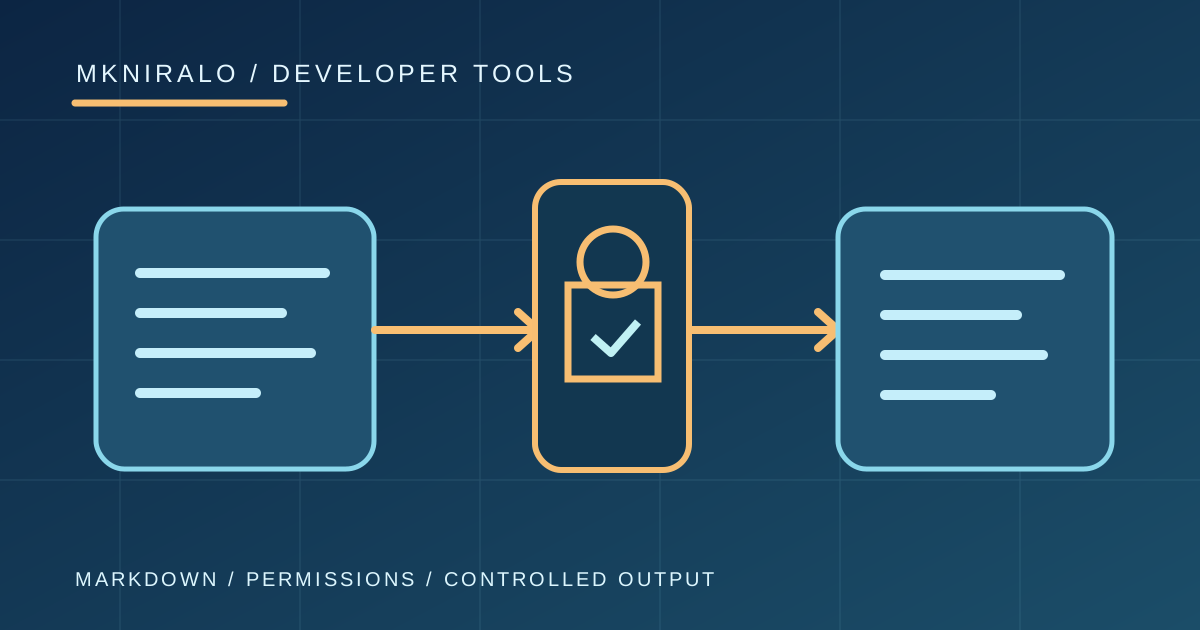
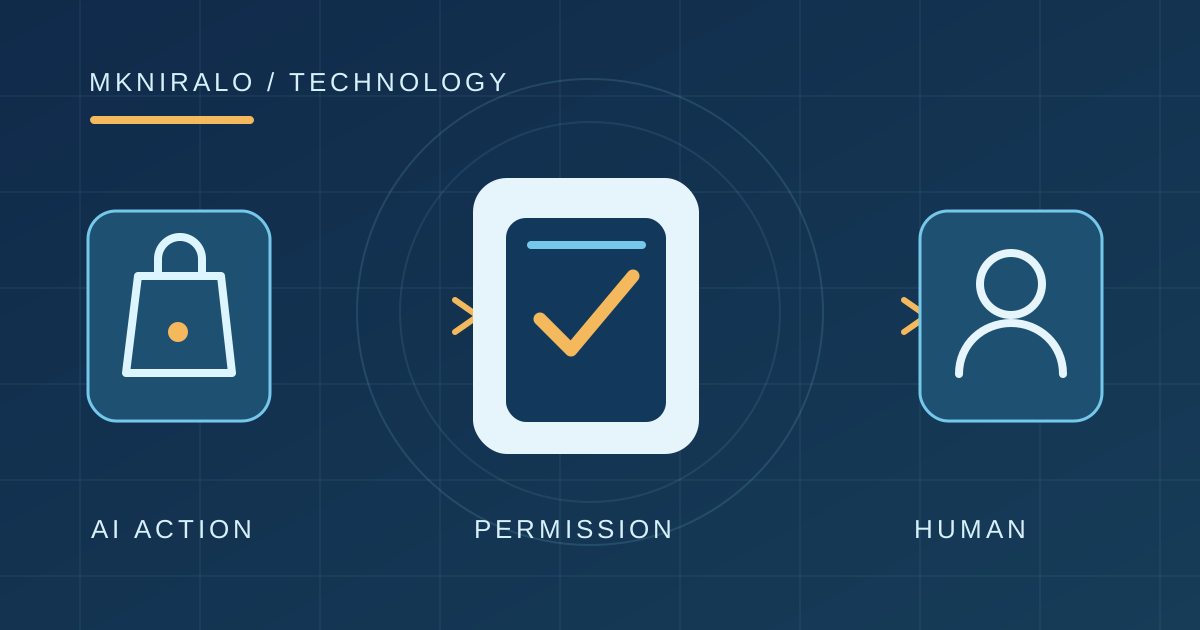
An answer does not necessarily change a company's system of record. A workflow action can change who owns a ticket, what an auditor sees, or which team must respond. That is why the Action Fabric detail matters: the partnership is intended to preserve existing business rules and permissions while ChatGPT handles interpretation and user interaction.
Consider an IT staffer asking for the probable cause of repeated service alerts. A model might group past incidents and suggest a next step. But updating a priority or closing a ticket should follow the employee's role and the organization's approval path. The interface must distinguish proposed action from executed action, and the record should identify who authorized the change.
Sources: OpenAI and ServiceNow expand partnership across enterprise workflows · ServiceNow and OpenAI accelerate enterprise AI
The rollout timetable has several different clocks
According to the companies' published schedules, the initial ServiceNow plugin is already available, while richer plugin experiences are expected later in 2026. Their joint security capabilities are planned for early access in January 2027 and broader release in the second quarter of 2027. Voice-led features in the ServiceNow control tower are expected in the first quarter of 2027, and Codex integration into AI Workflow Factory is described as a 2027 item.
These dates are corporate targets, not customer-specific delivery guarantees. Organizations should ask which region, subscription, integration permissions and product versions are covered by any rollout. A pilot that depends on a future feature should be budgeted and described differently from a deployment using a tool that exists today.
Sources: OpenAI and ServiceNow expand partnership across enterprise workflows · ServiceNow and OpenAI accelerate enterprise AI · ServiceNow, OpenAI Expand Partnership to Bring More AI Agents Into Enterprise Workflows
What the security partnership aims to connect
The planned security work would connect advanced model capabilities with ServiceNow's knowledge of company assets, identities and operational relationships. The value proposition is context: a vulnerability that looks severe on paper may affect a less exposed system, while a lower-scored issue on a critical service may deserve urgent attention. Joining technical findings with business context could improve triage and follow-through.
But automation could also propagate a mistaken assumption across systems. Before allowing security actions, teams should test how the assistant identifies the intended asset, distinguishes observations from verified findings, handles missing permissions and records reversible versus irreversible steps. The partnership announcement does not prove that future systems will achieve a specified incident-reduction rate.
Sources: OpenAI and ServiceNow expand partnership across enterprise workflows · ServiceNow and OpenAI accelerate enterprise AI
Why voice and coding integrations need different controls
ServiceNow plans to use OpenAI-powered voice interaction to support risk assessments. A spoken description may make an otherwise cumbersome form easier to start, but an assistant must still ask for information that is missing and make clear which fields were inferred rather than supplied. A generated risk score needs transparent ownership; a conversational interface does not absolve the organization of reviewing the resulting record.
Similarly, a future Codex connection to ServiceNow's AI Workflow Factory may help developers build applications with existing enterprise context. That makes it especially important to separate access to specifications from authority to deploy code, change production data or grant permissions. The launch promises an integration pathway, not a universal delegated engineering approval.
Sources: OpenAI and ServiceNow expand partnership across enterprise workflows · ServiceNow and OpenAI accelerate enterprise AI
A practical readiness checklist for the enterprise
Start with one narrow use case and a limited group of users. Map each available plugin action to an existing role, policy and audit event; define actions that always need confirmation. Test ambiguous instructions and failed calls, including whether the assistant gives a clear explanation without silently trying a more powerful tool. Review the actual ServiceNow record after each test to compare intended and executed changes.
Then measure outcome quality, not the count of AI conversations. Useful indicators might include correct ticket assignment, mean time to resolve validated incidents, unnecessary changes avoided and the time needed to investigate a mistaken action. OpenAI and ServiceNow are betting that enterprise AI is moving toward governed execution. Whether that improves operations will depend on how carefully customers draw the line between useful assistance and authorized control.
Sources: OpenAI and ServiceNow expand partnership across enterprise workflows · ServiceNow and OpenAI accelerate enterprise AI · ITOM MCP Server is now in ChatGPT · ServiceNow, OpenAI Expand Partnership to Bring More AI Agents Into Enterprise Workflows