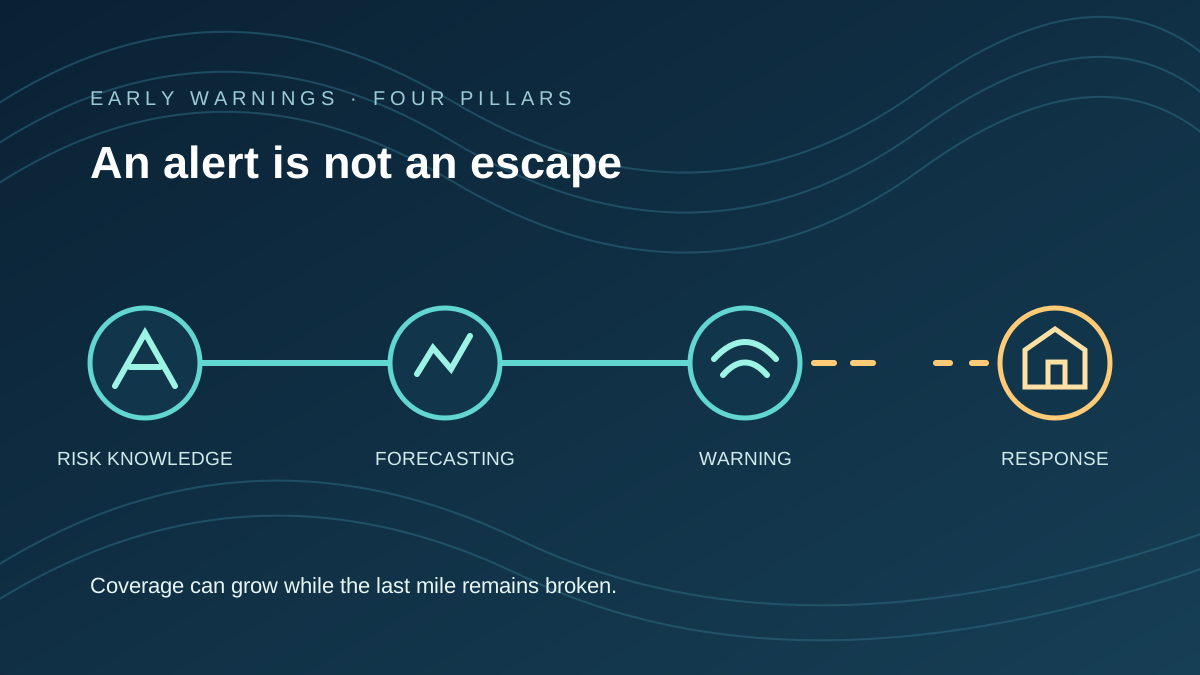
Early Warnings Are Expanding. Reaching People Is Not the Same as Keeping Them Safe.
More countries report early-warning capacity, but a draft four-pillar count and new survey evidence reveal the distance between an alert and an actionable escape.
Explore articles related to Climate Adaptation, with context and source links for further reading.
← All tagsMore countries report early-warning capacity, but a draft four-pillar count and new survey evidence reveal the distance between an alert and an actionable escape.
A German-backed €20 million Pacific restoration programme is entering a consultation phase. The financing is substantial; the sites, methods and ecological results are not yet settled.
At COP31’s opening plenary, Nepal urged governments to establish a dedicated mountains and climate-change work programme. A formal request is not an adopted decision.
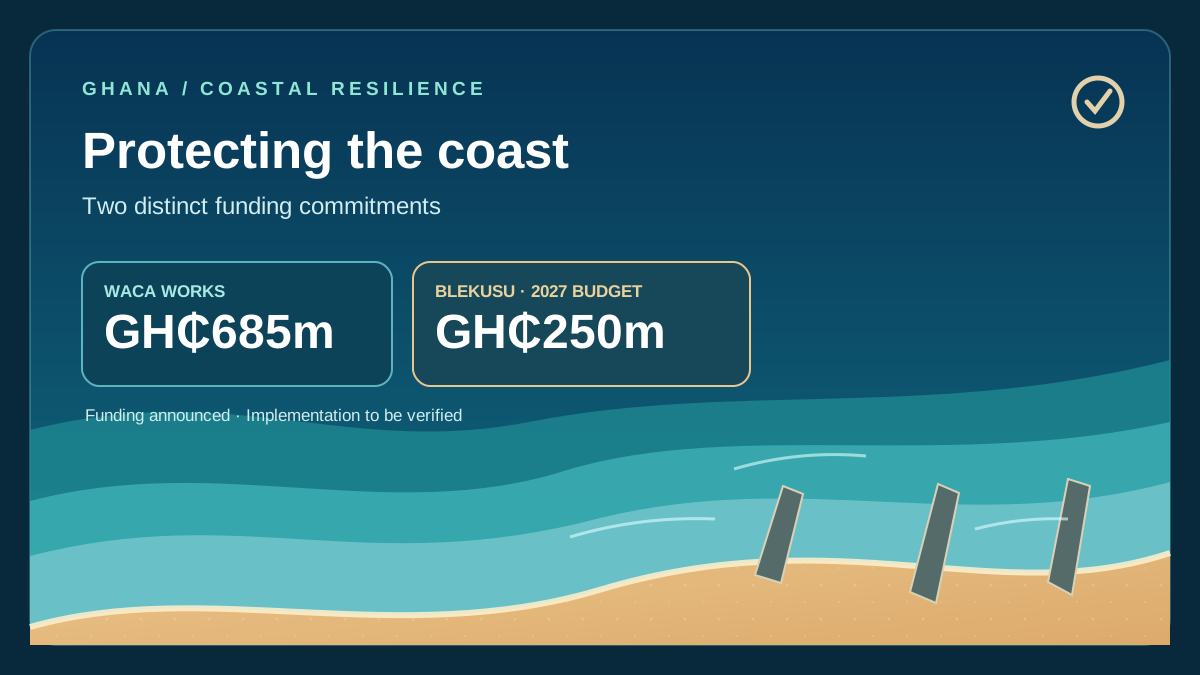
President Mahama announced GH¢685m for WACA coastal works and GH¢250m earmarked in Ghana's pending 2027 budget for the existing Blekusu Phase II project. The split and spending status matter.
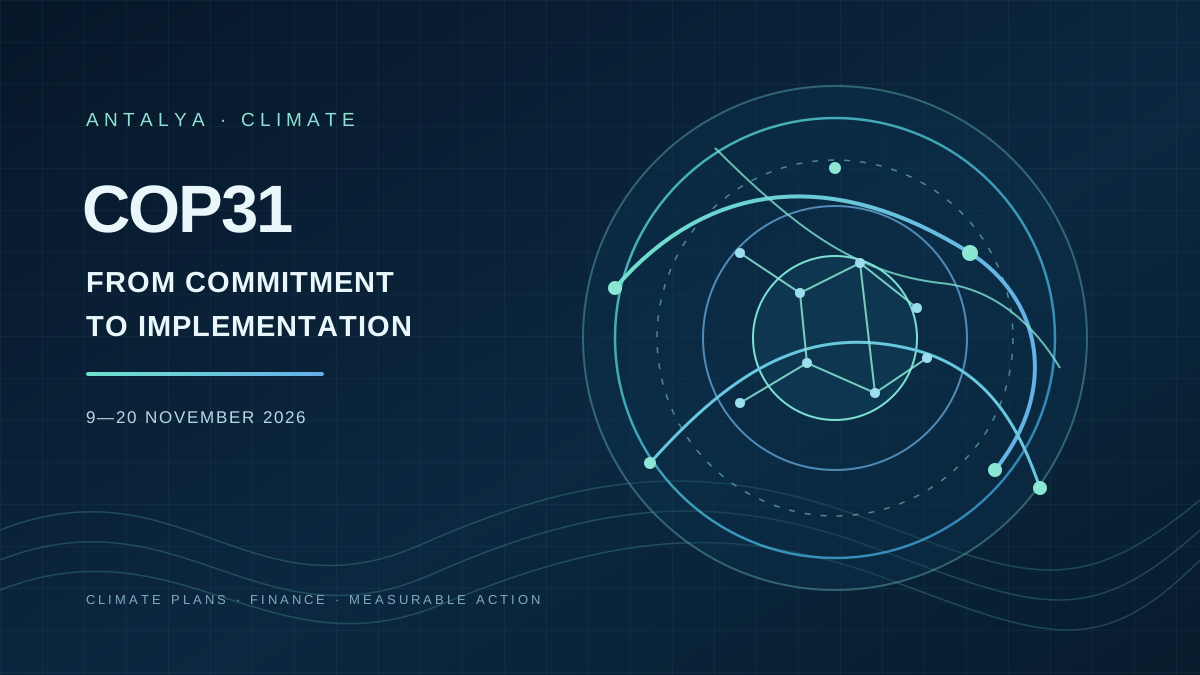
The UN climate conference will open in Antalya on 9 November with a promise to move from national climate pledges to practical delivery. The test will be whether plans attract finance, projects produce measurable results and emissions fall fast enough to change the warming outlook.
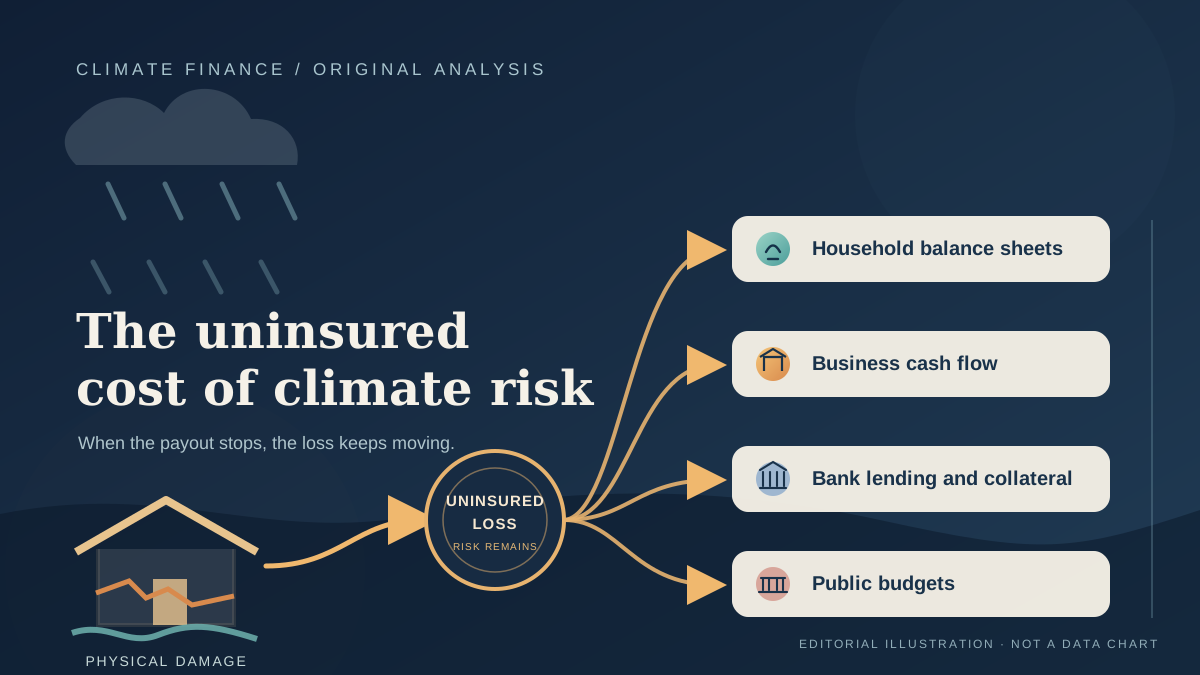
When catastrophe losses go uninsured, the bill does not vanish. It moves through household balance sheets, business cash flow, bank lending and public budgets—often long after the physical damage has occurred.
A WHO report estimates that six climate-health measures could avert 1.56 million deaths a year. Its trillions in welfare and fiscal benefits are different measures, built on ambitious global scale-up scenarios.
Who Finances Protection, Who Benefits, and Who Remains Exposed: resilience can improve a system without distributing costs, protection, and remaining risk evenly.
Bolivia's Decree 5759 addresses existing drought and warns of possible floods and other El Niño hazards. The declaration enables coordination; it is not proof that emergency money has reached families.
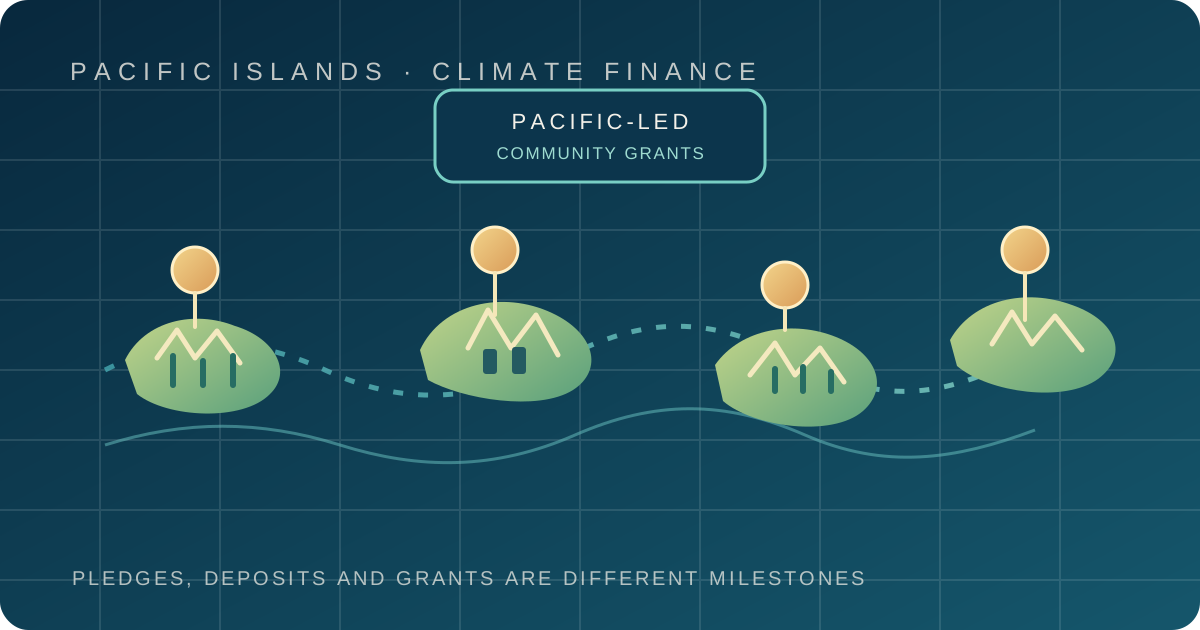
The Pacific Resilience Facility has begun supporting community projects, but a $500 million initial target, about $190 million in pledges and a much smaller publicly reported deposit balance show why promises and money in the bank are different.