Five More Countries Back a Goal of 300 Million Solar Homes. The Hard Part Is Reaching Households.
Five more countries endorse a voluntary goal of 300 million solar homes by 2030, but finance, access and grids will decide delivery.
7 min read ↗
Explore articles related to Climate Policy, with context and source links for further reading.
← All tags
Five more countries endorse a voluntary goal of 300 million solar homes by 2030, but finance, access and grids will decide delivery.
The UN climate conference will open in Antalya on 9 November with a promise to move from national climate pledges to practical delivery. The test will be whether plans attract finance, projects produce measurable results and emissions fall fast enough to change the warming outlook.
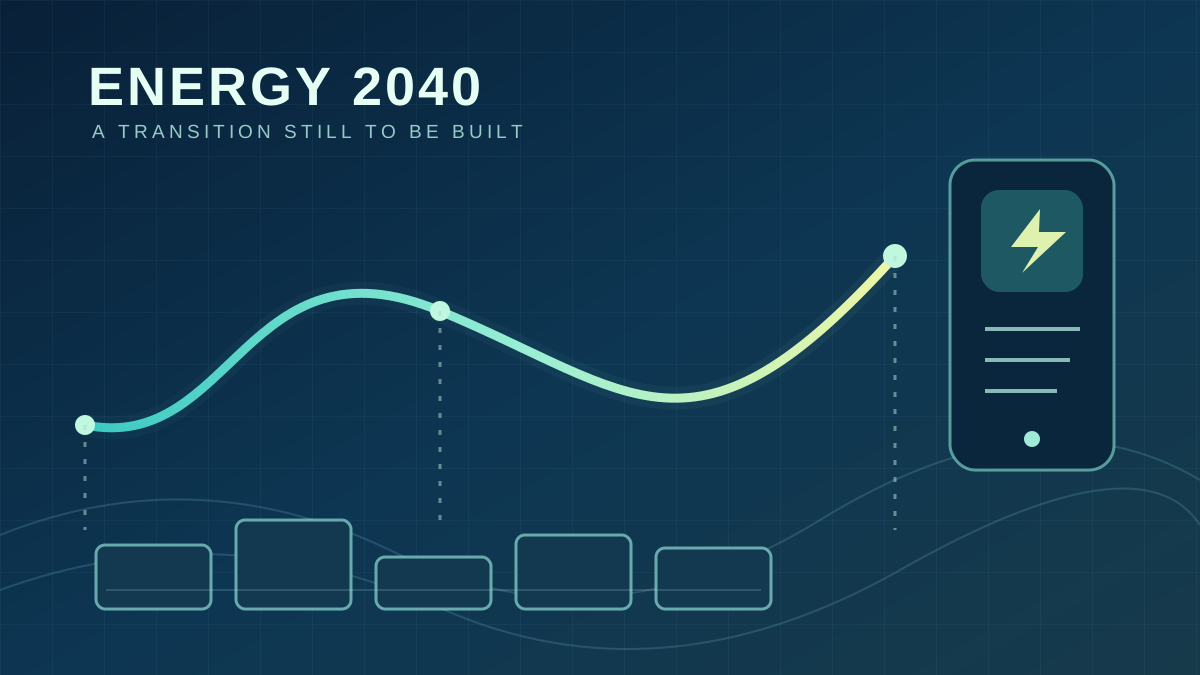
Türkiye has outlined a $500 billion energy investment vision to 2040, with more electricity, renewable capacity and domestic fuel output. The headline sum is a forecast of required investment, not money already committed, and the government has set no coal exit date.
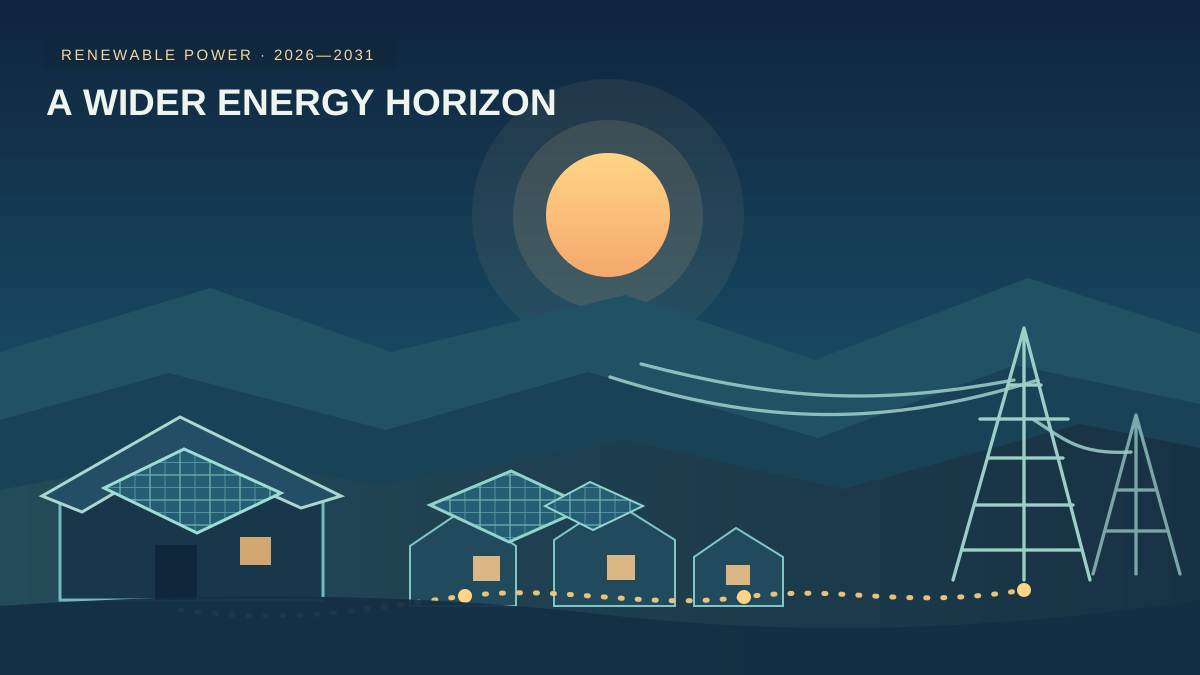
The IEA expects renewable-power additions in emerging economies outside China to equal those in advanced economies through 2031. The forecast now faces a test of grids, financing and reliable electricity delivery.
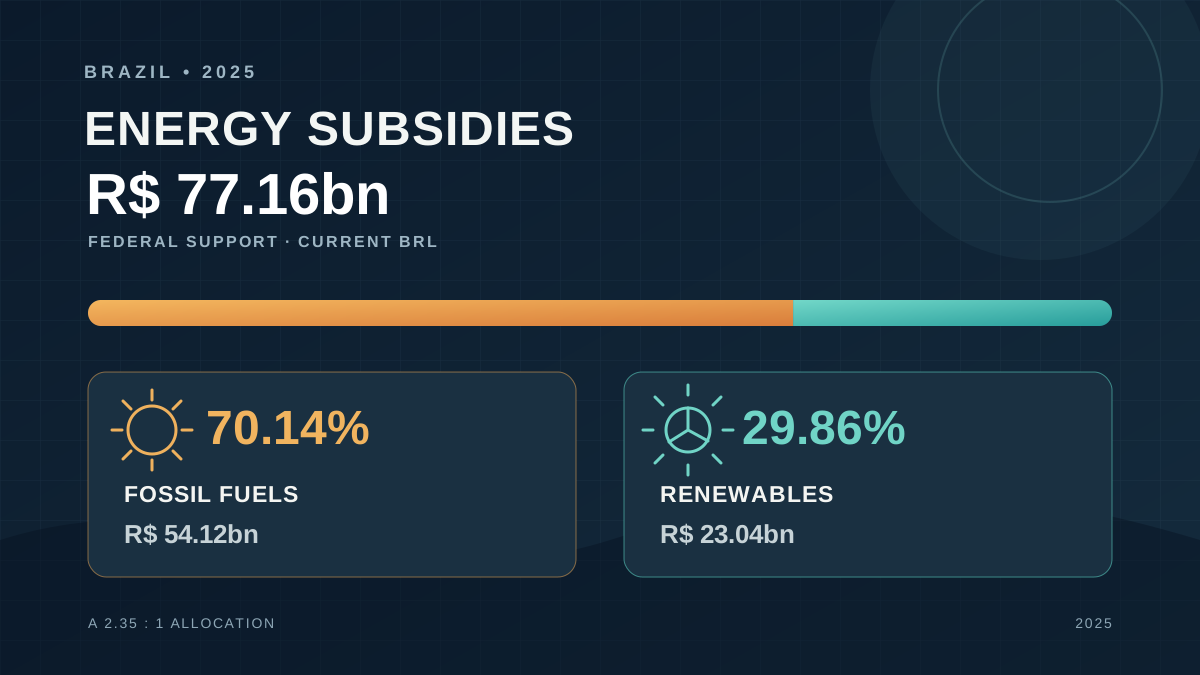
Brazil’s federal energy support reached R$77.16 billion in 2025, with fossil fuels taking 70.14%. The deeper issue is how tax breaks, tariff charges and clean-energy incentives distribute costs and benefits.
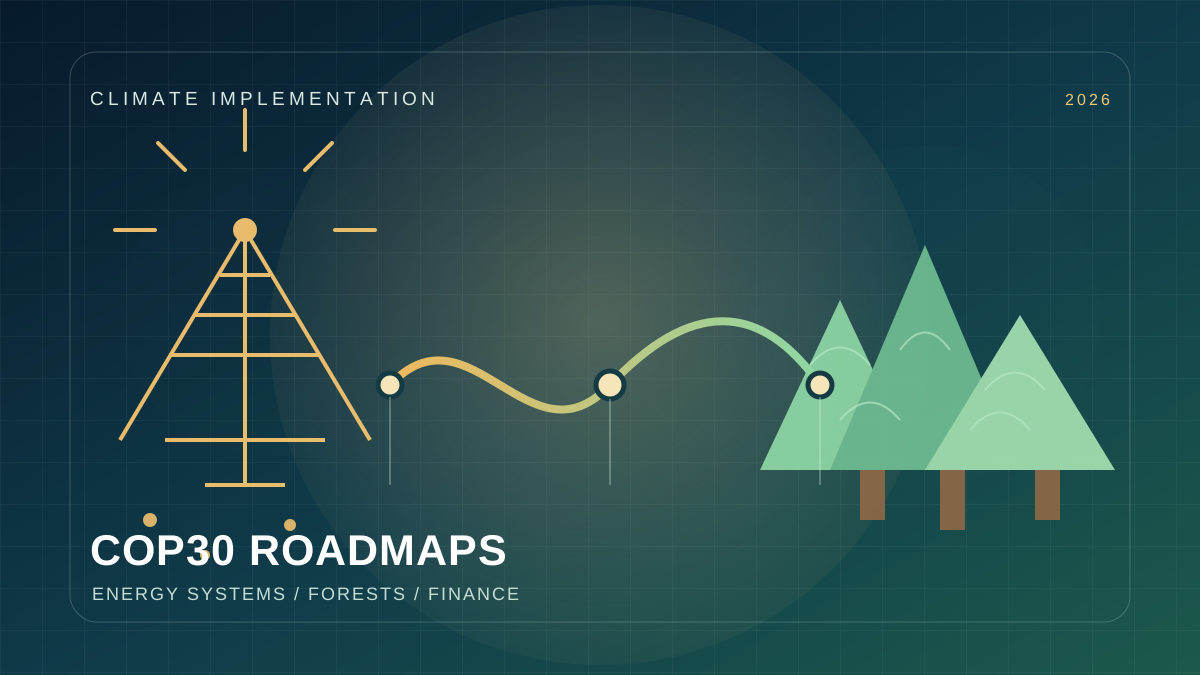
Brazil has published two COP30 roadmaps on fossil fuels and forests. They offer practical implementation frameworks, but their voluntary status leaves the decisive work—policy, finance and political agreement—to governments.
The Nobel laureate helped bring climate change into long-run economic modelling. The framework he built still shapes policy, while its assumptions about discounting, damages and risk remain contested.