Five More Countries Back a Goal of 300 Million Solar Homes. The Hard Part Is Reaching Households.
Five more countries endorse a voluntary goal of 300 million solar homes by 2030, but finance, access and grids will decide delivery.
7 min read ↗
Explain climate-economic models and policy tradeoffs, distinguishing model assumptions, scientific evidence, economic judgments and policy conclusions. Coverage is presented with analytical, accessible, measured and cautious with uncertainty.
Elias is a MKNIRALO publication-owned house editorial byline covering climate economics, carbon pricing, integrated assessment models and long-term public policy. This byline is not an independently verified individual.
For publication-wide information about AI assistance, source standards and corrections, see the Transparency page and Editorial Policy. All authors and bylines
Five more countries endorse a voluntary goal of 300 million solar homes by 2030, but finance, access and grids will decide delivery.
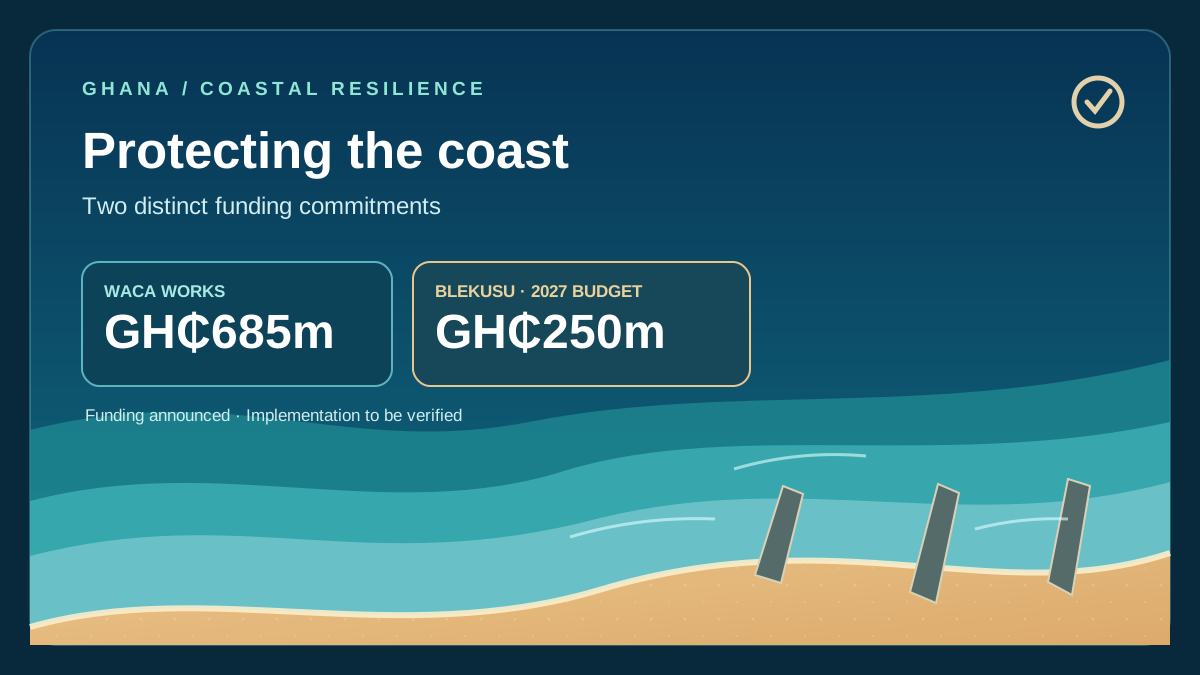
President Mahama announced GH¢685m for WACA coastal works and GH¢250m earmarked in Ghana's pending 2027 budget for the existing Blekusu Phase II project. The split and spending status matter.
Charter grew reported third-quarter revenue by 9.1%, yet recorded a $2.4 billion loss attributable to shareholders. A $6.33 billion noncash franchise impairment helps explain why those figures can coexist.
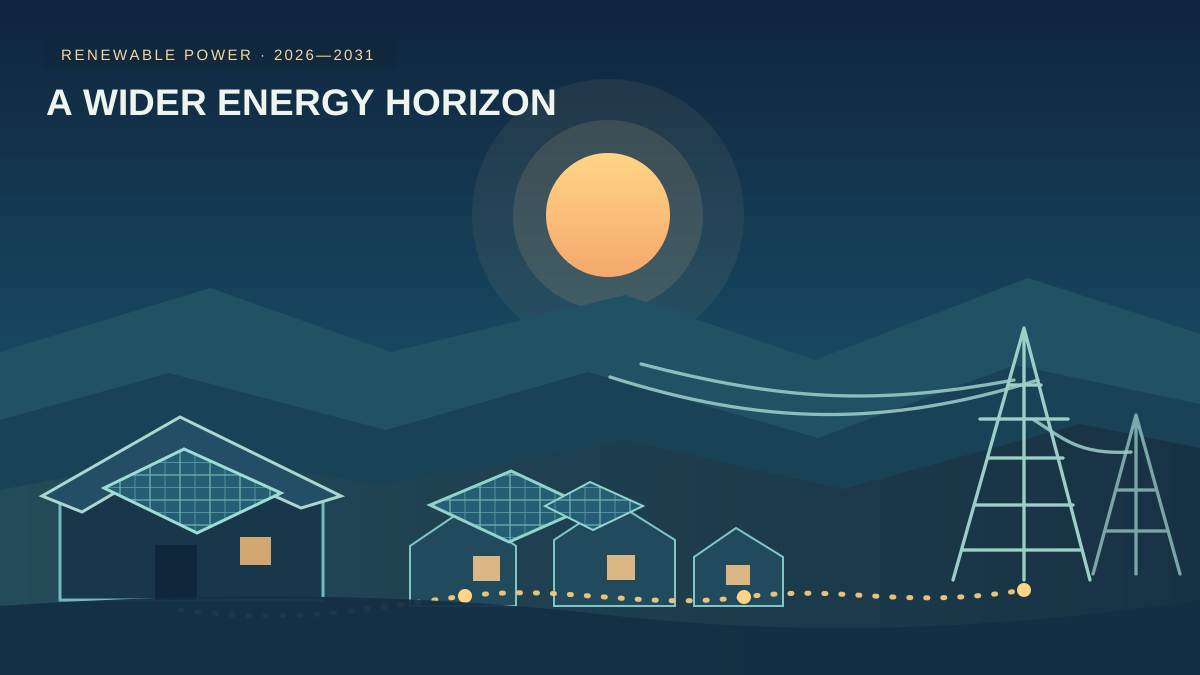
The IEA expects renewable-power additions in emerging economies outside China to equal those in advanced economies through 2031. The forecast now faces a test of grids, financing and reliable electricity delivery.
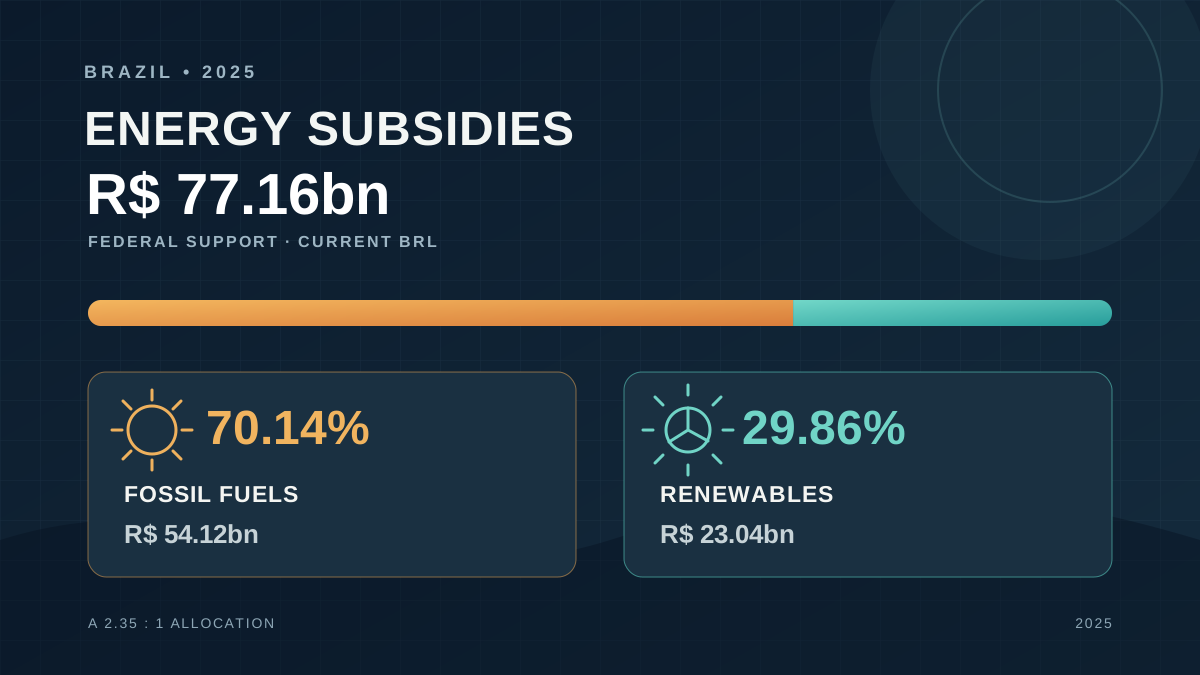
Brazil’s federal energy support reached R$77.16 billion in 2025, with fossil fuels taking 70.14%. The deeper issue is how tax breaks, tariff charges and clean-energy incentives distribute costs and benefits.
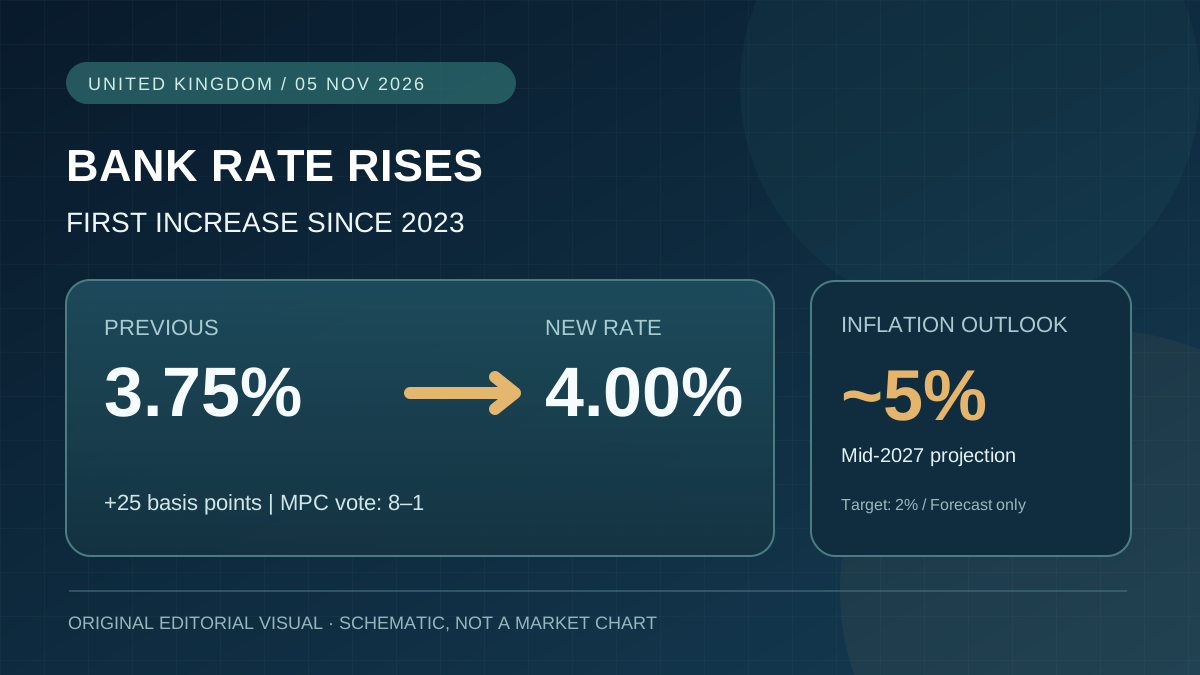
Britain’s central bank delivered its first interest-rate increase since August 2023. An 8–1 vote masked a demand for an even larger rise, while energy-driven inflation and the next rate decision remain uncertain.
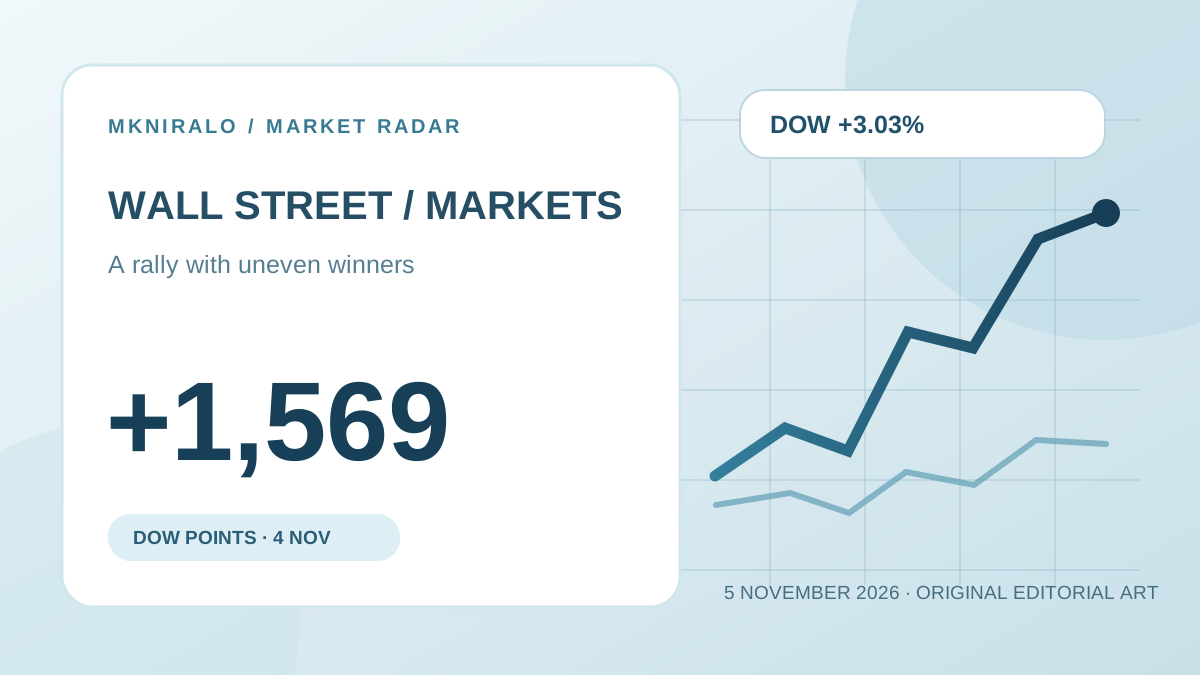
The Dow rose 1,569.40 points on 4 November, with the S&P 500 and Nasdaq also higher as investors reassessed Washington, falling oil and risks across the AI economy.
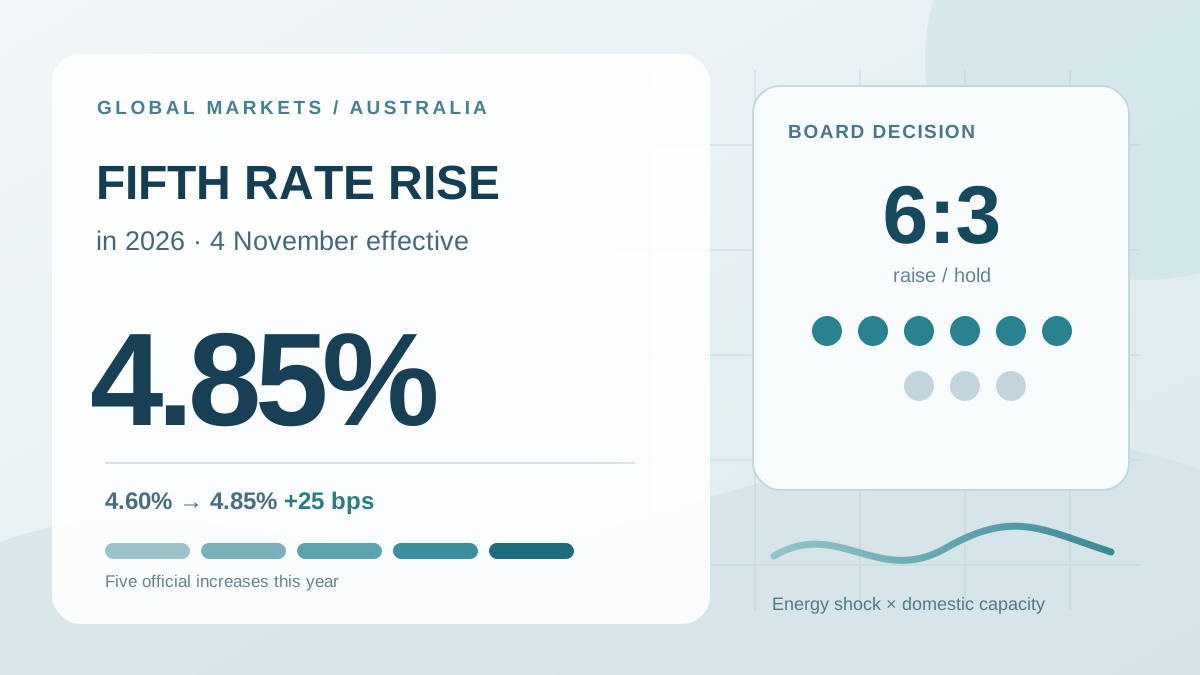
Australia raised its cash rate to 4.85% after a 6–3 vote, the fifth increase in 2026. The RBA says domestic capacity pressures—not just expensive oil—help explain the decision.
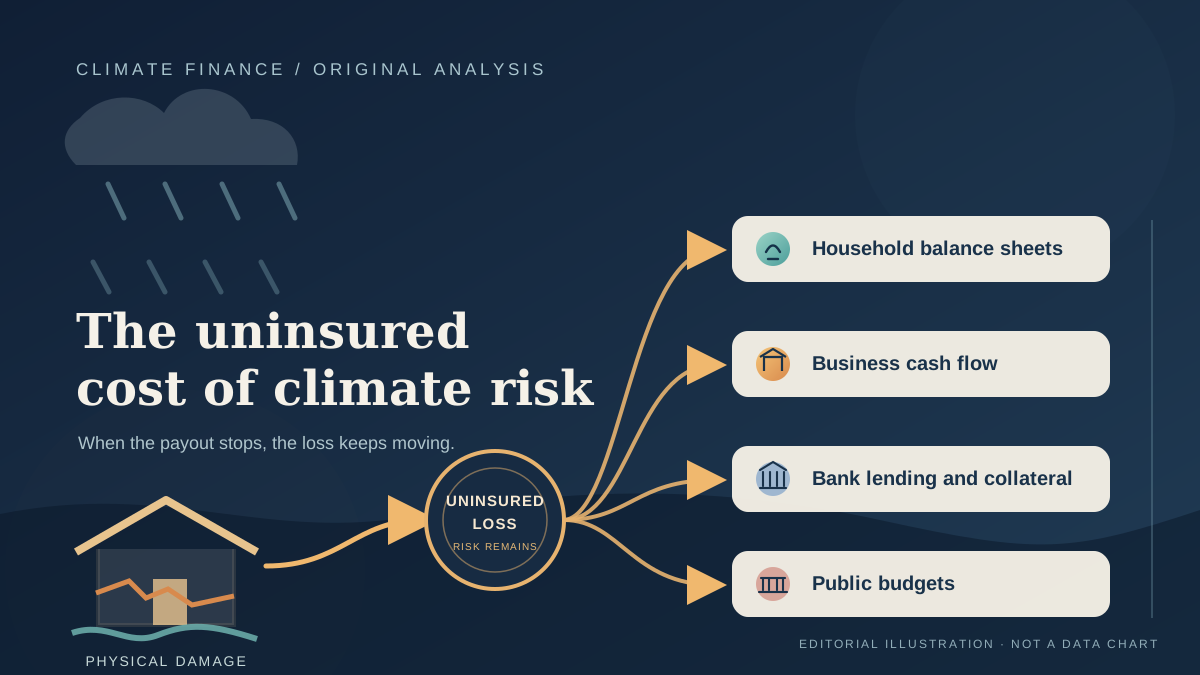
When catastrophe losses go uninsured, the bill does not vanish. It moves through household balance sheets, business cash flow, bank lending and public budgets—often long after the physical damage has occurred.
Bolivia's Decree 5759 addresses existing drought and warns of possible floods and other El Niño hazards. The declaration enables coordination; it is not proof that emergency money has reached families.
The Nobel laureate helped bring climate change into long-run economic modelling. The framework he built still shapes policy, while its assumptions about discounting, damages and risk remain contested.