Mexico's Inflation Rose Again in October. The Rate Cut Came First.
Mexico's October inflation rose to 3.75% after Banxico had cut rates to 6.25%. The sequence shows why remaining inside a target band is not the same as reaching the goal.
Explore articles related to Inflation, with context and source links for further reading.
← All tagsMexico's October inflation rose to 3.75% after Banxico had cut rates to 6.25%. The sequence shows why remaining inside a target band is not the same as reaching the goal.
Philippine GDP grew only 2.1% year on year in the third quarter as farms shrank and consumer spending slowed, leaving a difficult path to the government’s 2026 growth target.
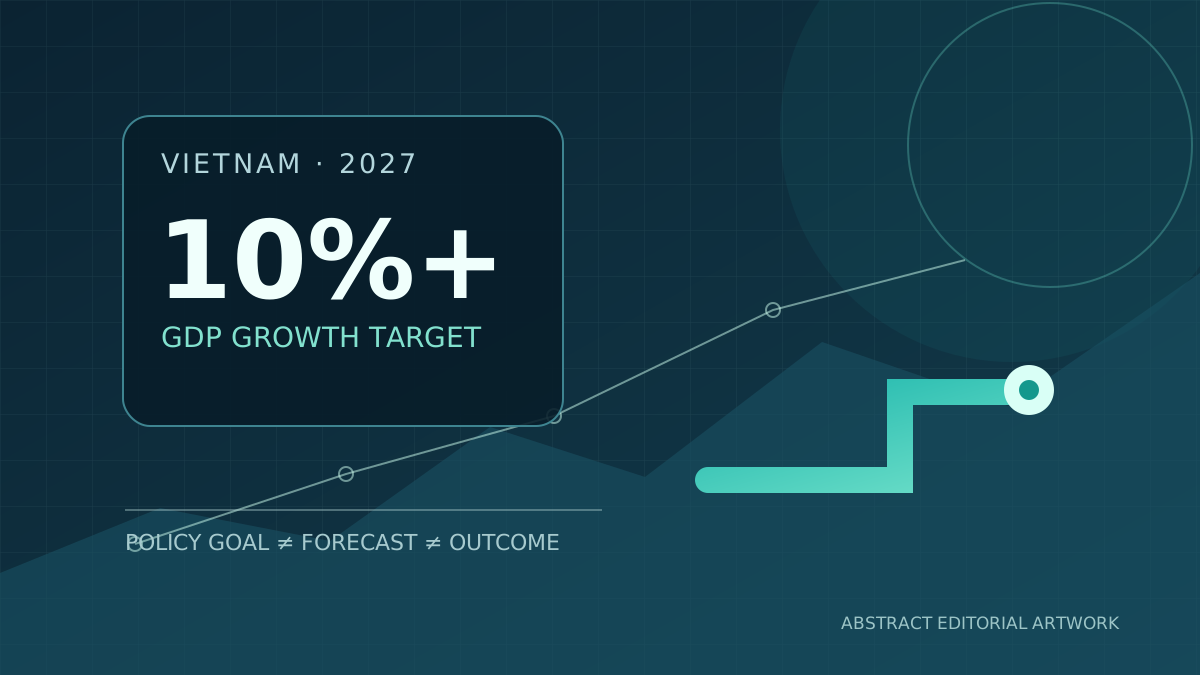
Vietnam's lawmakers adopted a plan targeting at least 10% GDP growth in 2027, with per-capita output near $6,100 and CPI around 4.5%. These are policy goals—not forecasts or achieved results.
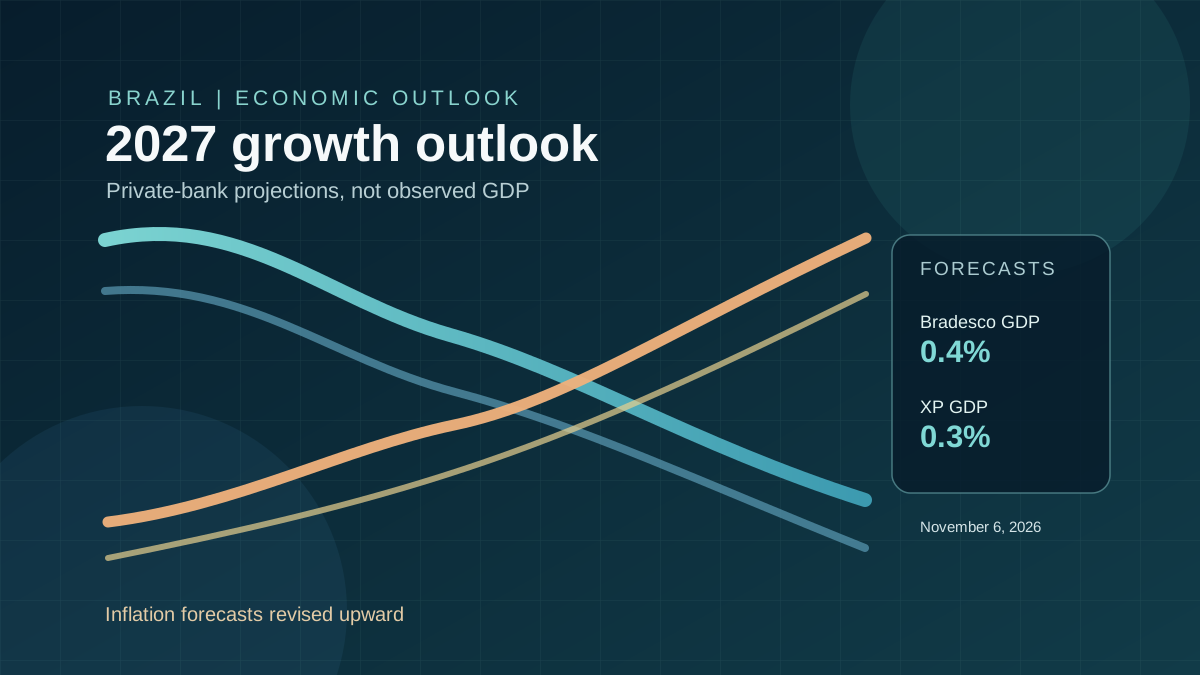
Two major Brazilian financial institutions now expect growth of just 0.3%–0.4% in 2027. Their sharply revised forecasts also point to higher inflation, but they are predictions, not measured economic results.
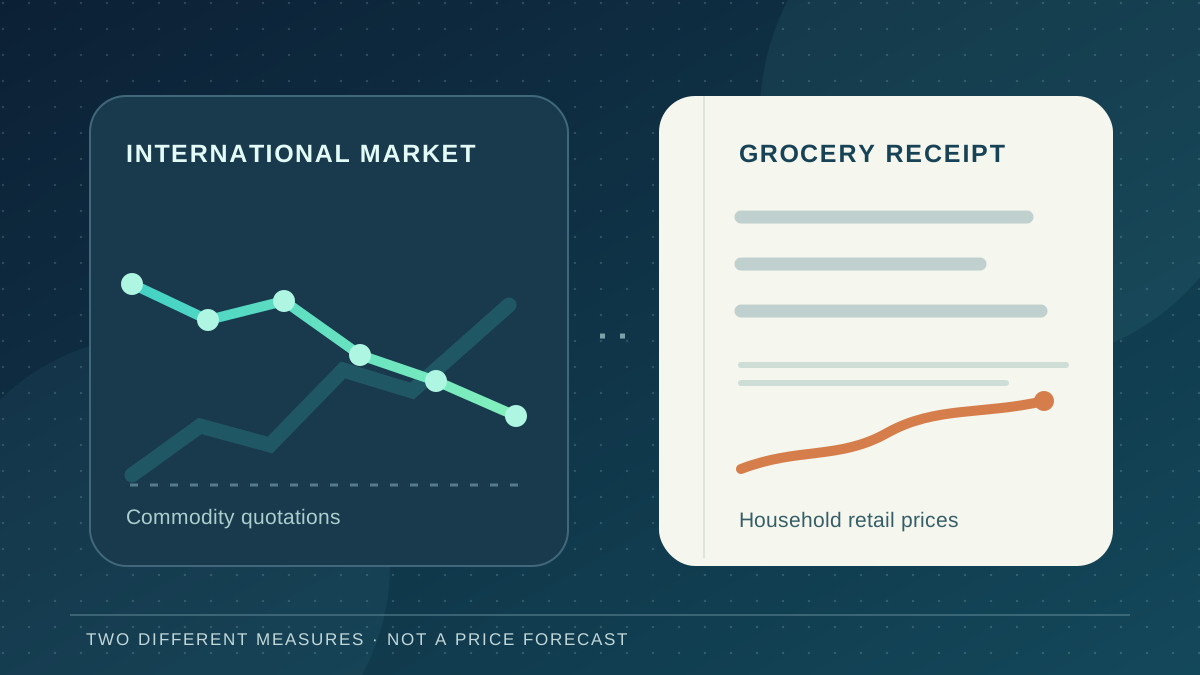
FAO’s international food index slipped 1.2% in October to 133.9, even as sugar climbed. National grocery inflation follows different prices, baskets and publication calendars.
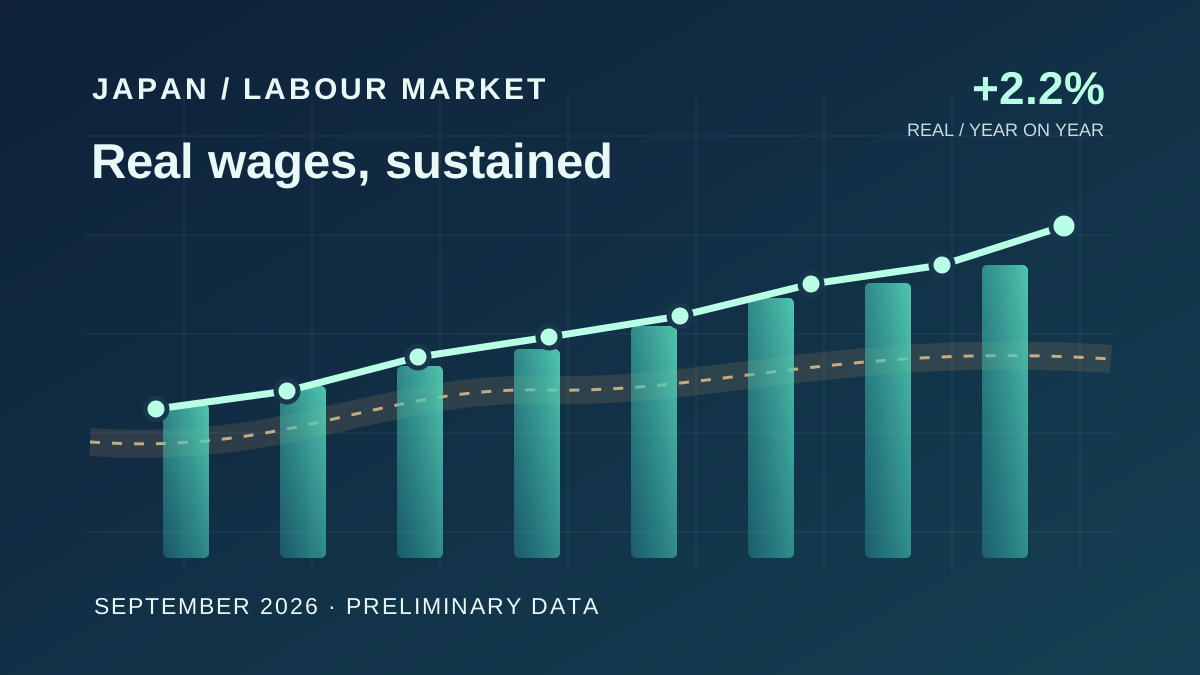
Japan’s preliminary September payroll data show a ninth month of real wage growth and stronger base pay. A statistical distortion in special payments complicates the nominal headline.
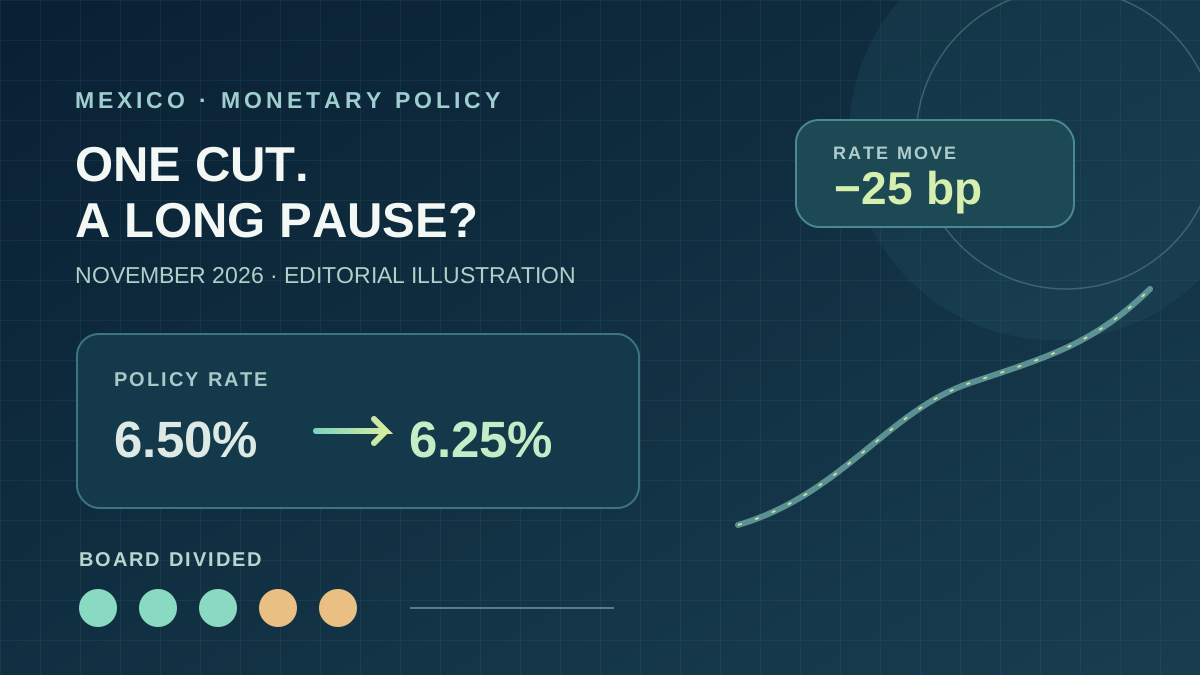
Mexico's central bank lowered its policy rate to 6.25% in a divided vote even as it raised near-term inflation forecasts. The message was a one-off adjustment, not a promise of more cuts.
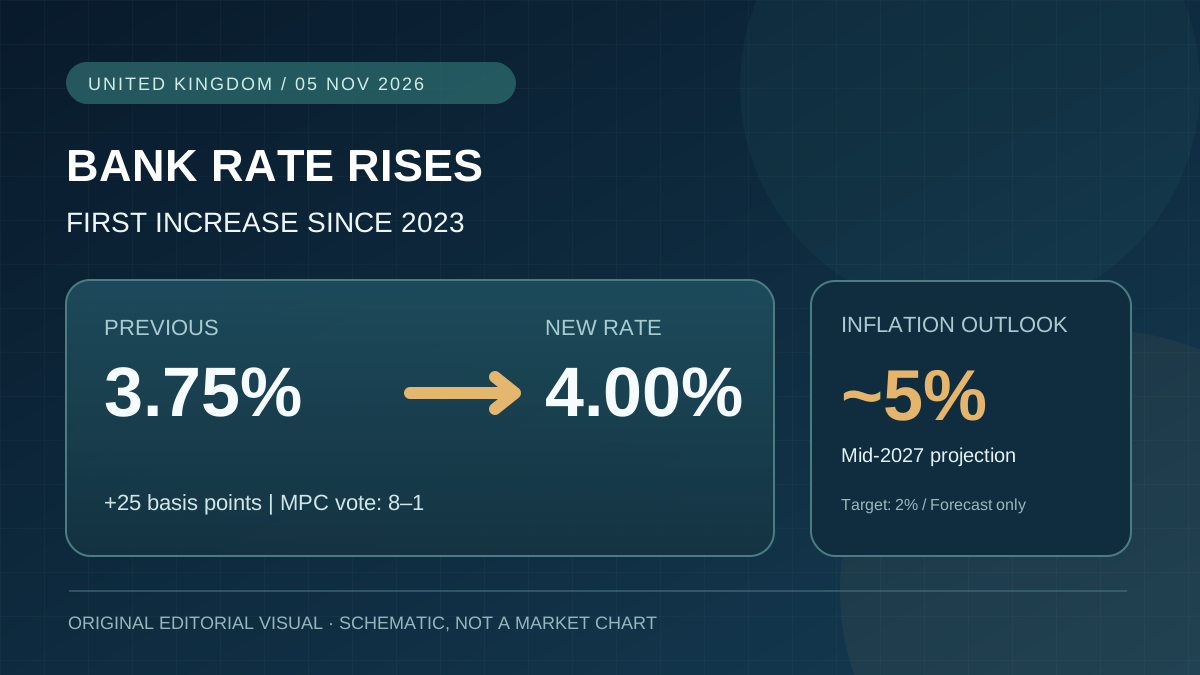
Britain’s central bank delivered its first interest-rate increase since August 2023. An 8–1 vote masked a demand for an even larger rise, while energy-driven inflation and the next rate decision remain uncertain.
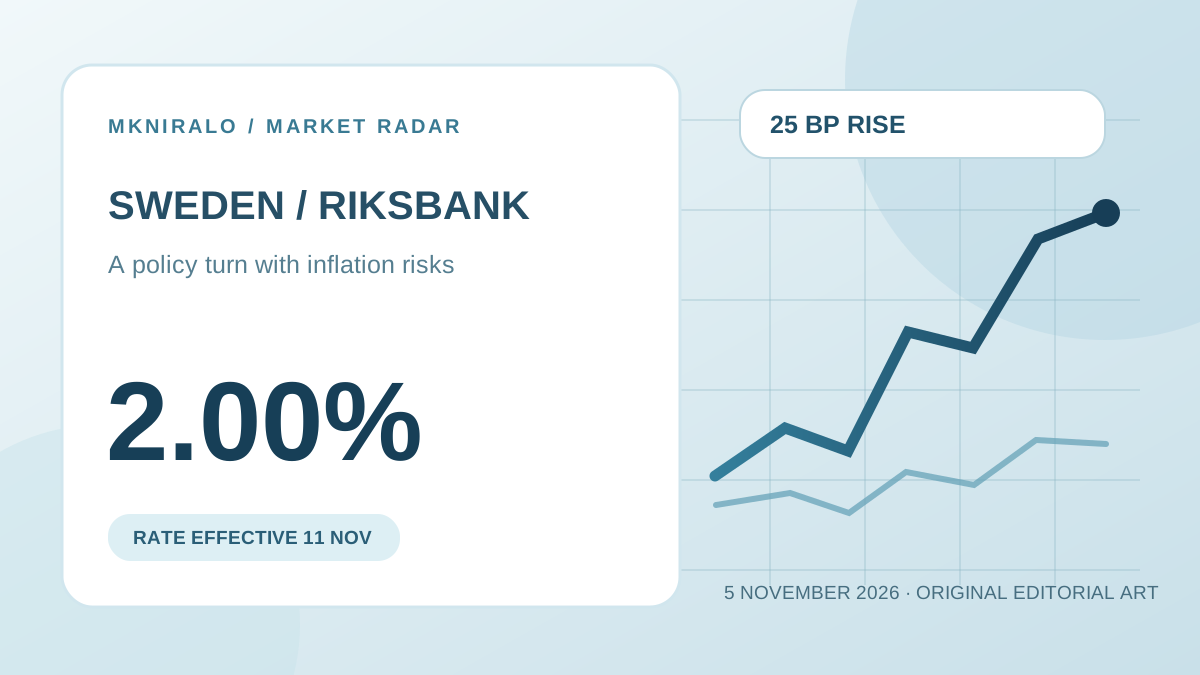
Sweden’s Riksbank raised its policy rate by a quarter point to 2%, effective 11 November, and left the door open to further increases despite September headline CPIF inflation of 1.5%.
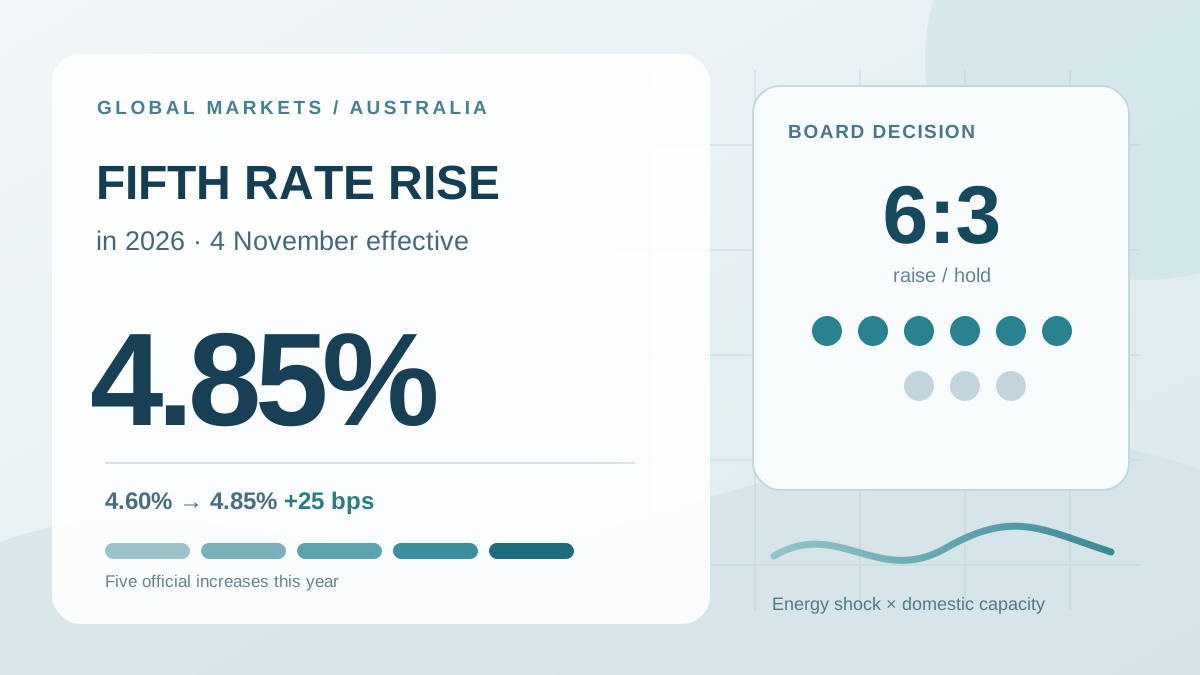
Australia raised its cash rate to 4.85% after a 6–3 vote, the fifth increase in 2026. The RBA says domestic capacity pressures—not just expensive oil—help explain the decision.
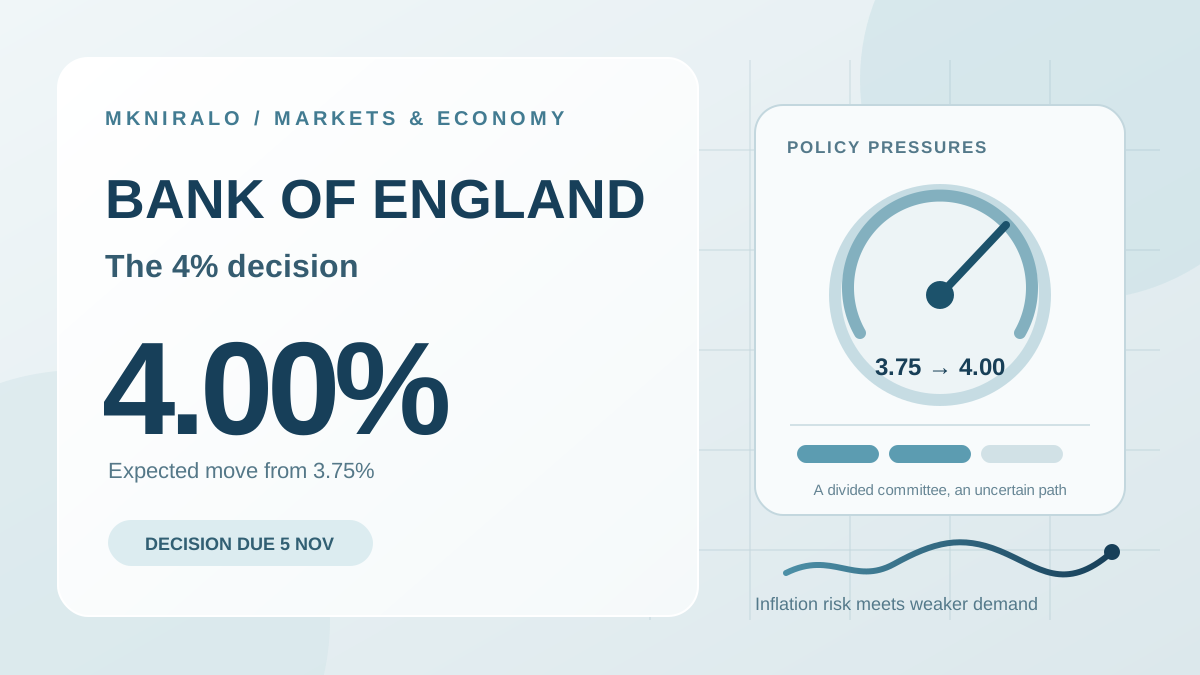
Economists expect the Bank of England to lift Bank Rate from 3.75% to 4.00% on 5 November. But the vote, new forecasts and debate over energy-driven second-round inflation may matter more than the quarter-point headline.
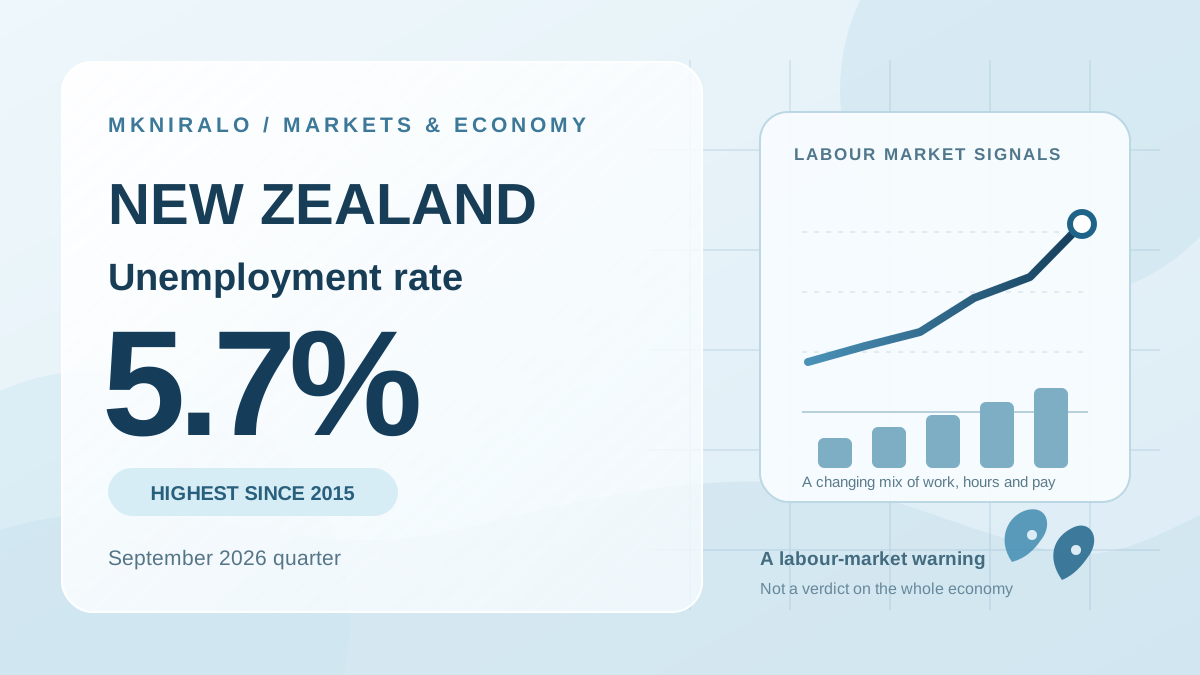
The September-quarter rate matched a level last seen in 2015. Employment barely changed, but participation, hours and the mix of jobs point to a broader cooling that complicates the Reserve Bank’s inflation fight.
INSEE’s provisional October estimate puts French CPI inflation at 3.4%, with energy prices up 24.1% year on year. The gap between the national CPI, the HICP and individual household bills matters.
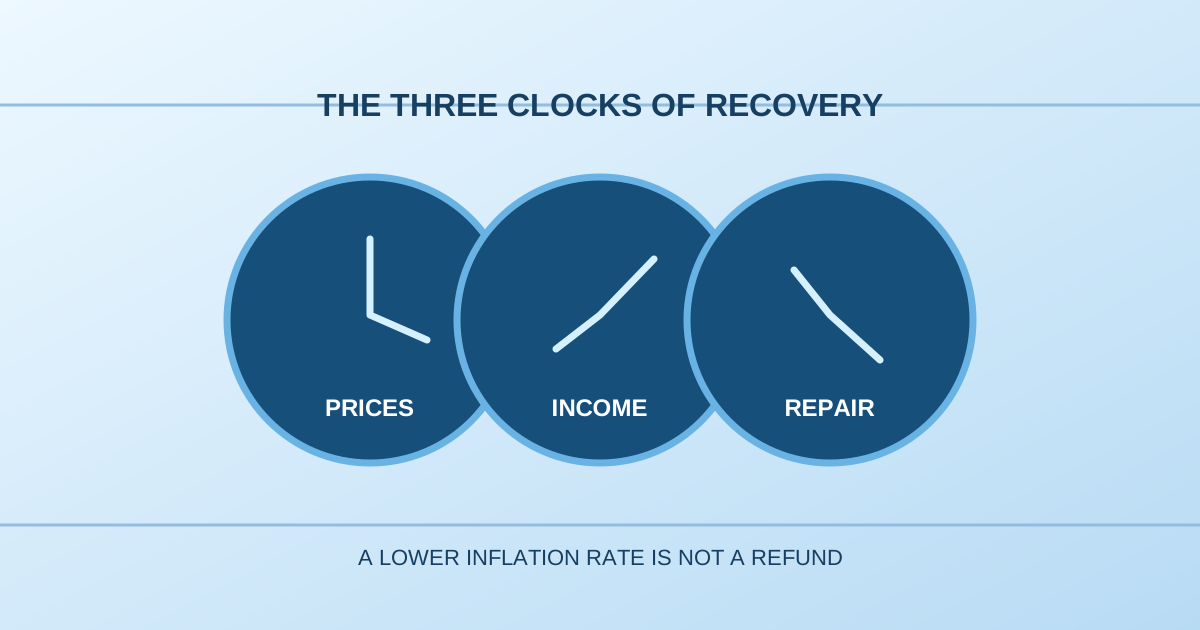
Slower inflation is not the same as restored purchasing power. Using Argentina's official data, this original long-form essay develops and stress-tests a three-clock framework for economic recovery.
August output was flat and September's early estimate points down, but Canada's central bank just raised its policy rate. The tension is between weak activity now and inflation it expects to persist.
Euro area output rose 0.4% in the third quarter, beating forecasts. The contrast between resilient GDP and households' energy bills is the economic story behind the headline.