Early Warnings Are Expanding. Reaching People Is Not the Same as Keeping Them Safe.
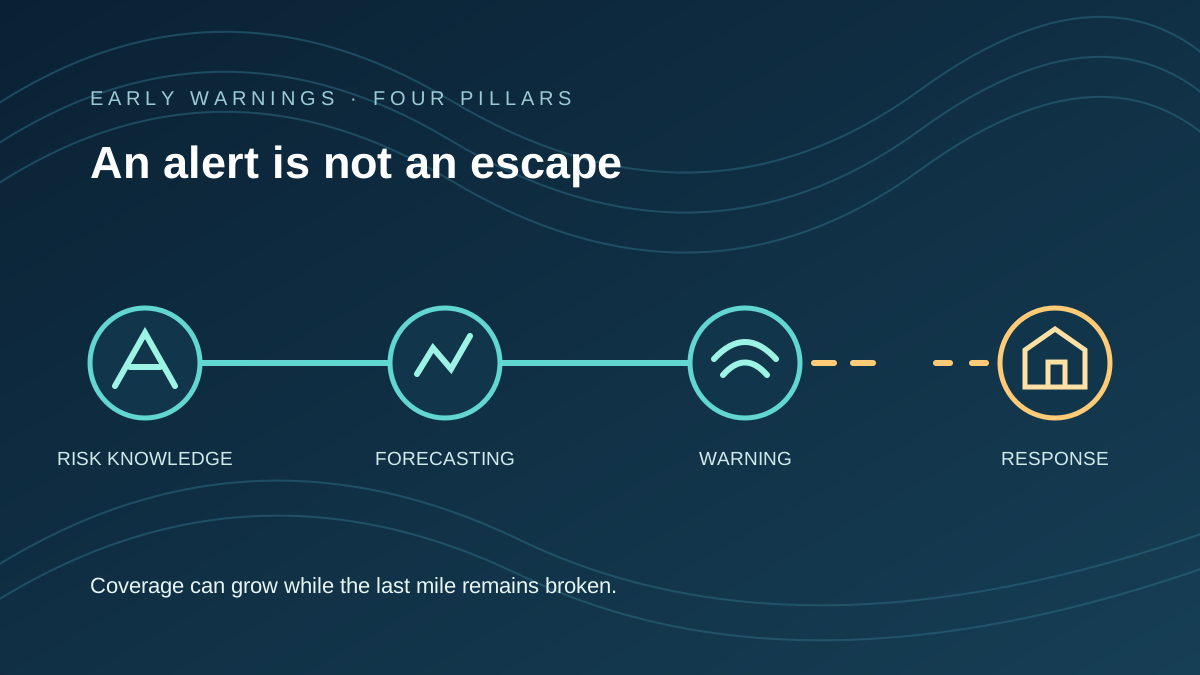
More countries report early-warning capacity, but a draft four-pillar count and new survey evidence reveal the distance between an alert and an actionable escape.
Explore reporting, explainers and practical guides about Environment. Tags help narrow the subject, while series pages bring related developments together over time.
More countries report early-warning capacity, but a draft four-pillar count and new survey evidence reveal the distance between an alert and an actionable escape.
A German-backed €20 million Pacific restoration programme is entering a consultation phase. The financing is substantial; the sites, methods and ecological results are not yet settled.
Five more countries endorse a voluntary goal of 300 million solar homes by 2030, but finance, access and grids will decide delivery.
At COP31’s opening plenary, Nepal urged governments to establish a dedicated mountains and climate-change work programme. A formal request is not an adopted decision.
Philippine third-quarter palay production fell 17.8%, largely alongside a contraction in harvested area. El Niño and higher farm costs cloud the next crop.
Moldova energized its 157-kilometre Vulcănești–Chișinău electricity line on November 8. The next test is reliable operation—not just a ceremonial switch-on.
CITES will reconsider a Canadian captive-breeding registration after Fiji questioned the lawful origin of founding iguanas. Deferral is not a rejection, and a separate trade inquiry is not a finding of illegality.
COP31 opened in Antalya after a delayed start, but the first day’s defining test was whether developing countries could secure a formal place for climate finance in the negotiations.
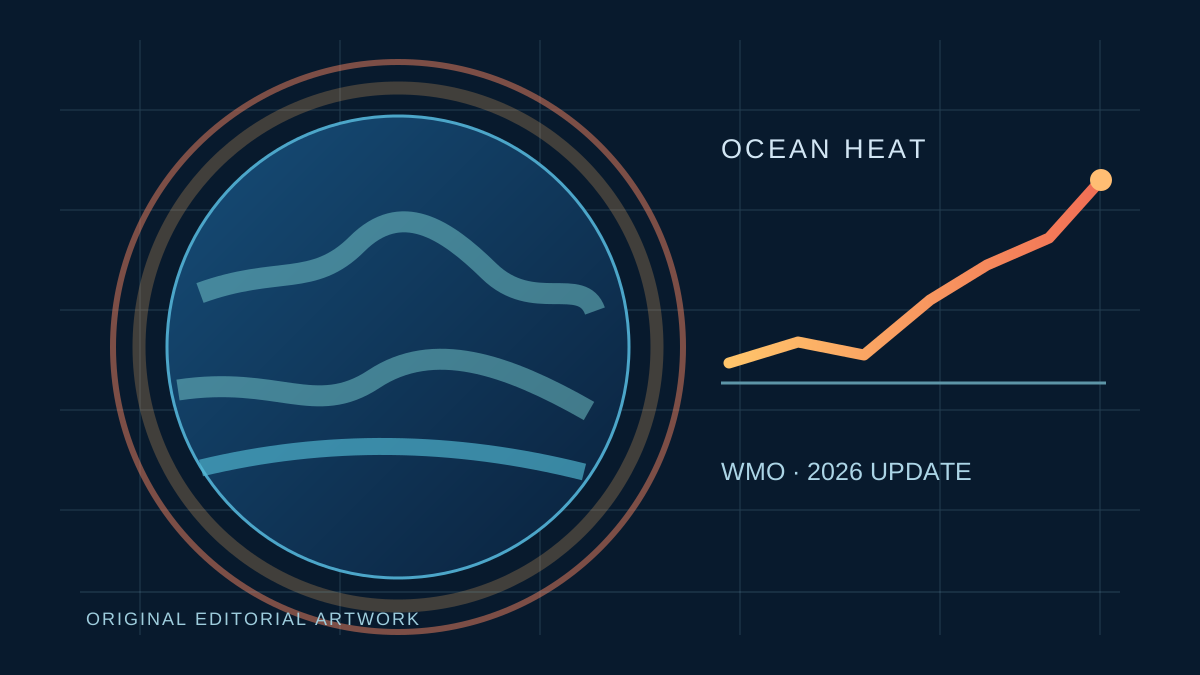
WMO finds record ocean warmth, a new high in global sea level and accelerating heat accumulation, even as its 2026 temperature estimate remains preliminary.
Delhi registered an official AQI of 370 at 9 a.m. on 9 November, while several neighbourhoods crossed the severe threshold and missing station data complicated comparisons.
Delhi’s 8 November AQI was very poor at 376, but many monitoring stations had already reached severe levels. With Stage III curbs in force, forecasters warned of a post-Diwali spike.
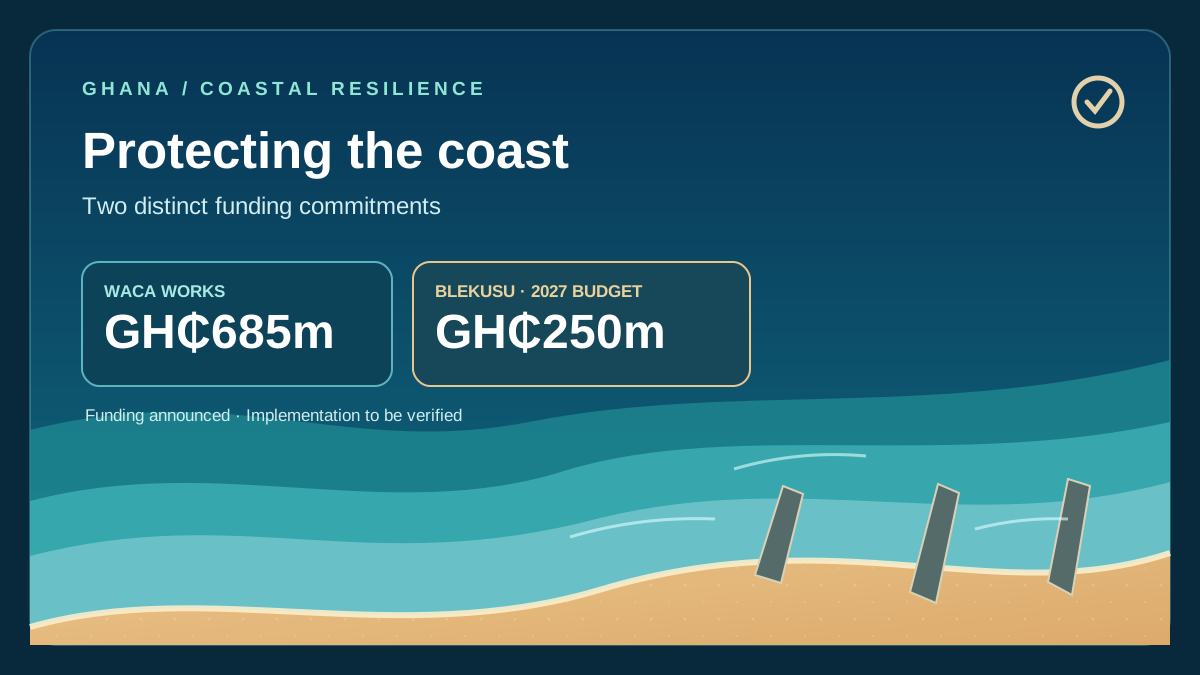
President Mahama announced GH¢685m for WACA coastal works and GH¢250m earmarked in Ghana's pending 2027 budget for the existing Blekusu Phase II project. The split and spending status matter.
Cempaka, Japan’s 32nd typhoon of 2026, intensified south of Japan and may approach Ogasawara around November 10–11. The forecast track and island warnings remain subject to change.
Heavy rain and strong winds flooded displacement sites across Gaza, while fuel shortages, damaged equipment and weakened drainage systems limited emergency crews’ ability to protect families.
A youth-led documentary follows the discovery of catfish with unusual bumps in the Mekong and the community investigation that grew around them. Its release, timed ahead of COP31, highlights a monitoring network spanning 14 secondary schools in Thailand’s Nong Khai Province.
Vanuatu’s new 2026–2035 adaptation plan links national priorities with six provincial plans, but its impact will depend on budgets, project preparation and climate finance.
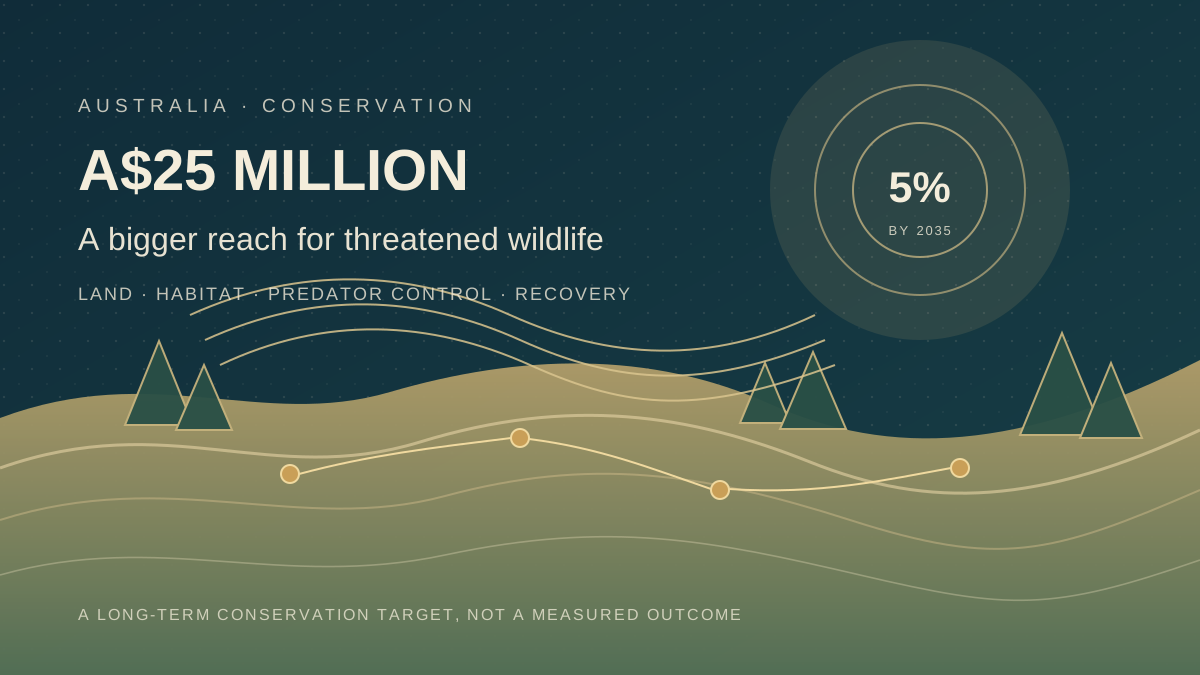
The Wright Burt Foundation's A$25 million gift will support strategic land acquisitions, threatened-species management and feral-cat control as Australian Wildlife Conservancy pursues a 2035 expansion target.
ECMWF’s latest seasonal run moves the projected Niño 3.4 peak from December to January, while Copernicus gives 2026 a 20% chance of tying or surpassing 2024’s heat record. WMO warns that El Niño-related warmth and rainfall deficits could intensify pressure on Southeast Asian health, farms, water supplies and fire prevention.
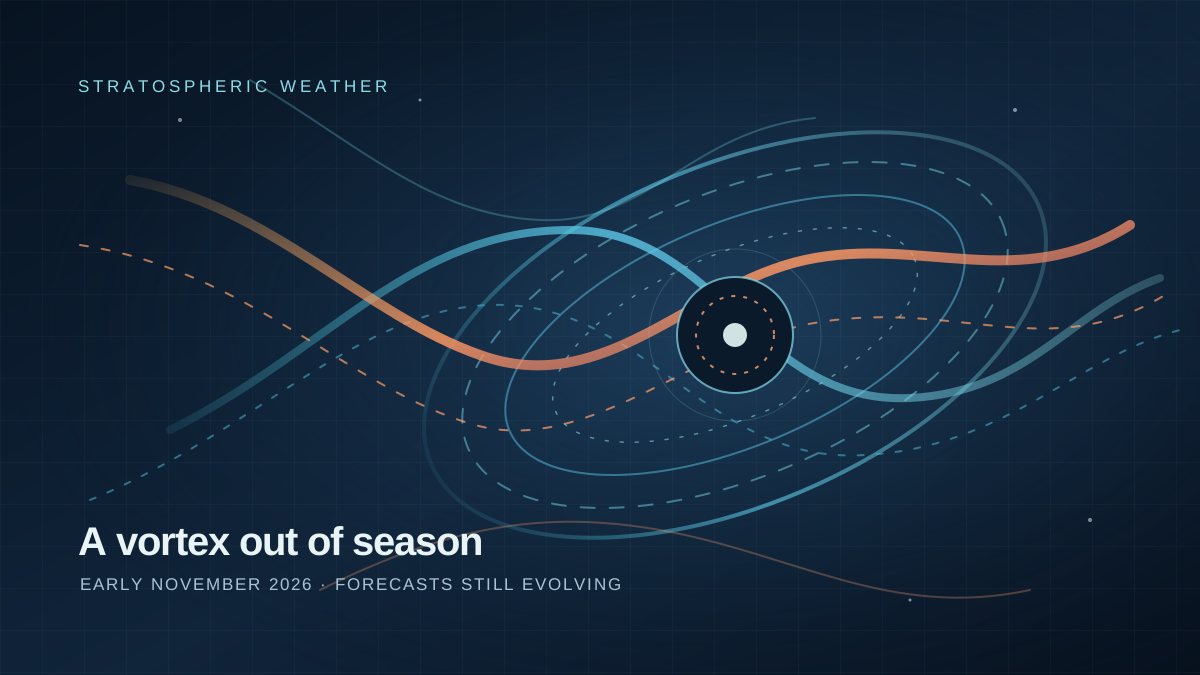
Meteorologists are tracking an unusually early disruption of the Arctic stratospheric polar vortex. The circulation is already exceptionally weak for early November, while ECMWF-based forecasts point to a possible wind reversal later this month. The signal is striking, but a major warming and any resulting cold spell remain conditional—not settled outcomes.
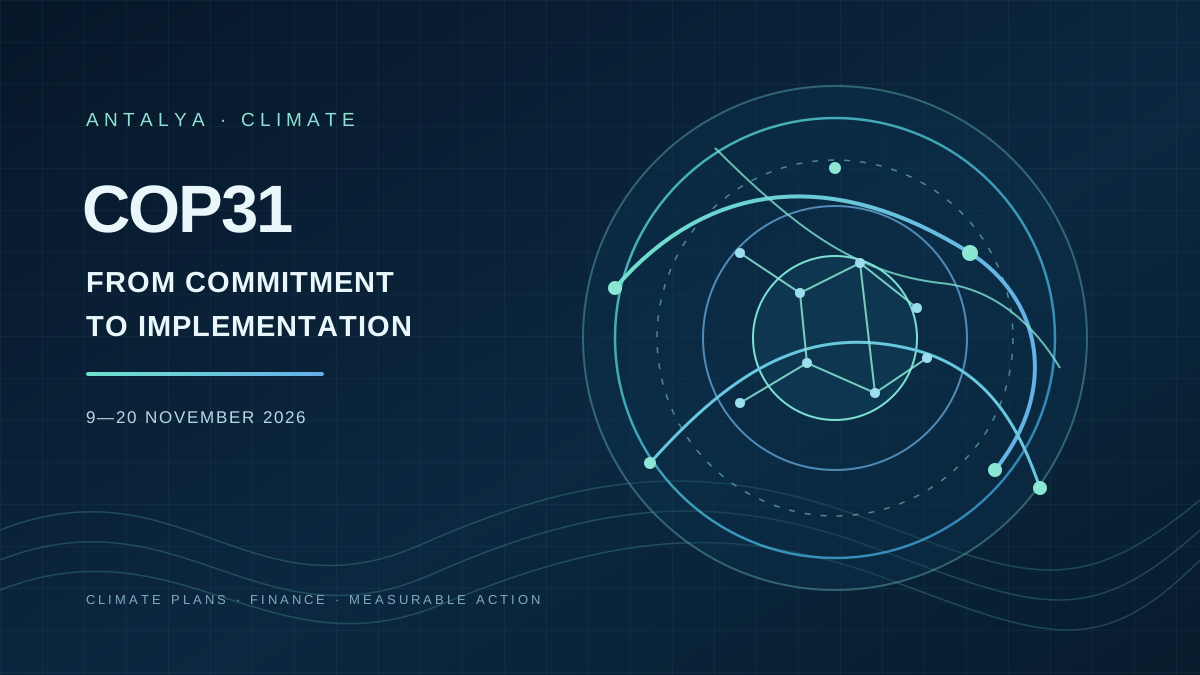
The UN climate conference will open in Antalya on 9 November with a promise to move from national climate pledges to practical delivery. The test will be whether plans attract finance, projects produce measurable results and emissions fall fast enough to change the warming outlook.
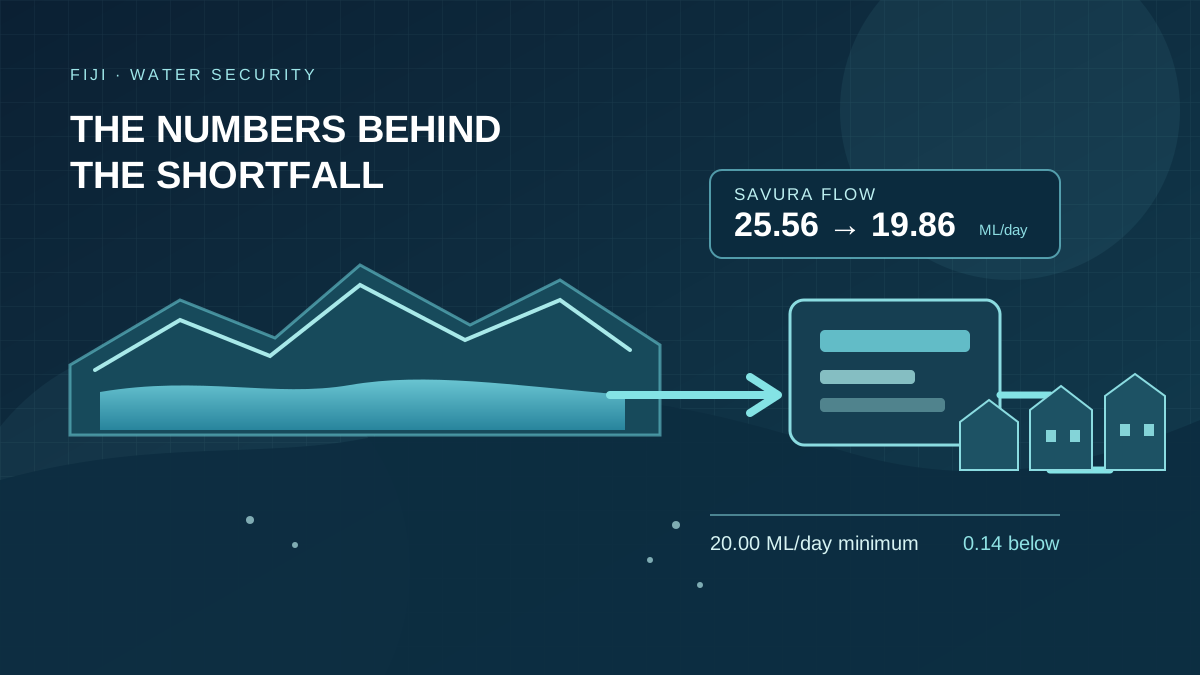
Parliamentary figures put Fiji’s dry-season strain in perspective: 19 of 44 monitored sources were critical, while Savura flow slipped below a stated minimum.
October 2026 was the warmest October in Copernicus records. A full-year average above 1.5°C now looks virtually certain—but that does not itself breach the Paris Agreement’s long-term goal.
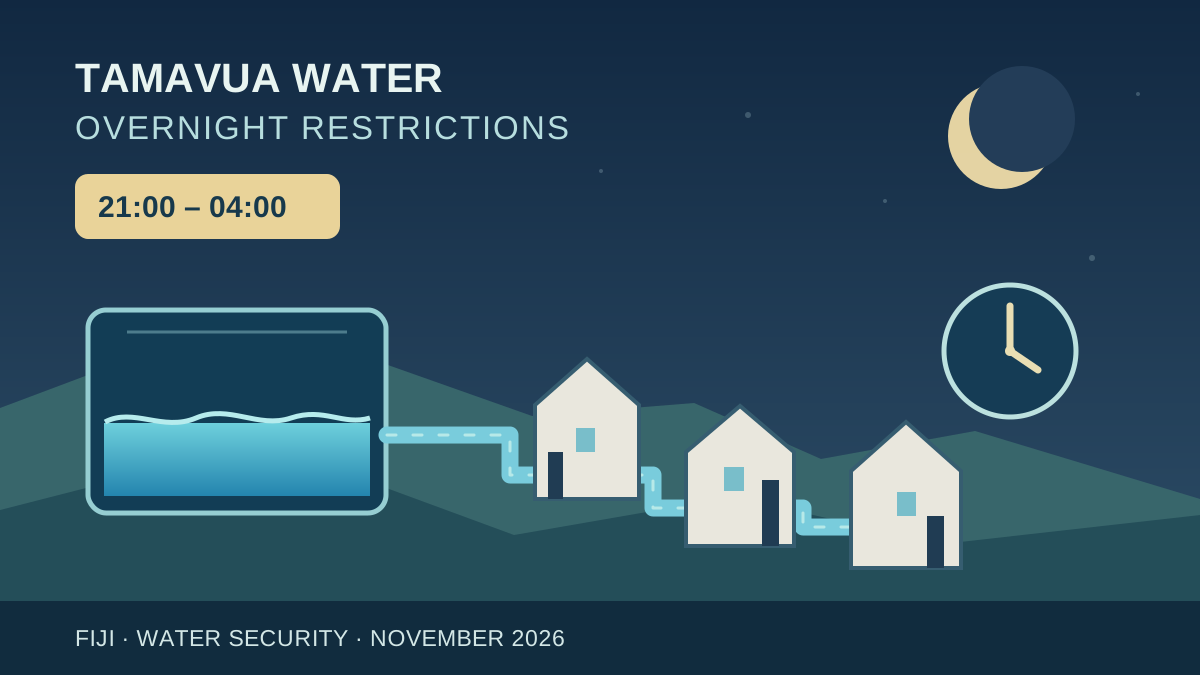
Parts of the Tamavua network face 9 p.m.–4 a.m. restrictions after an operator-reported production decline. Why the regional El Niño forecast is context, not a local water meter.
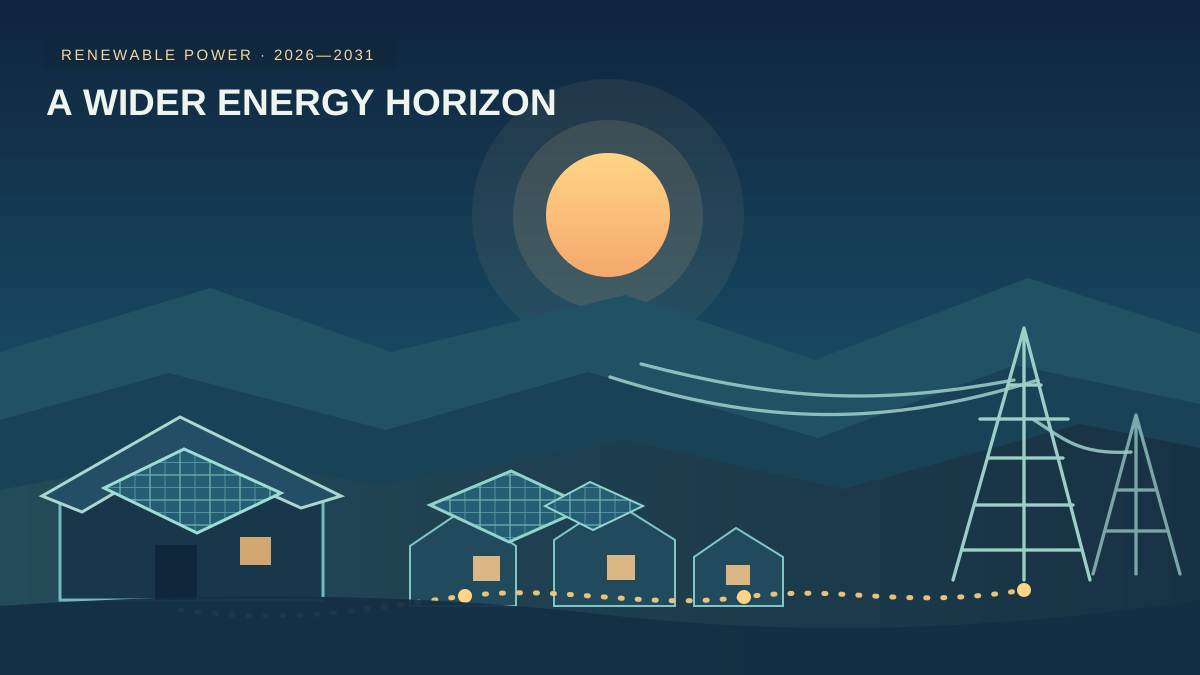
The IEA expects renewable-power additions in emerging economies outside China to equal those in advanced economies through 2031. The forecast now faces a test of grids, financing and reliable electricity delivery.
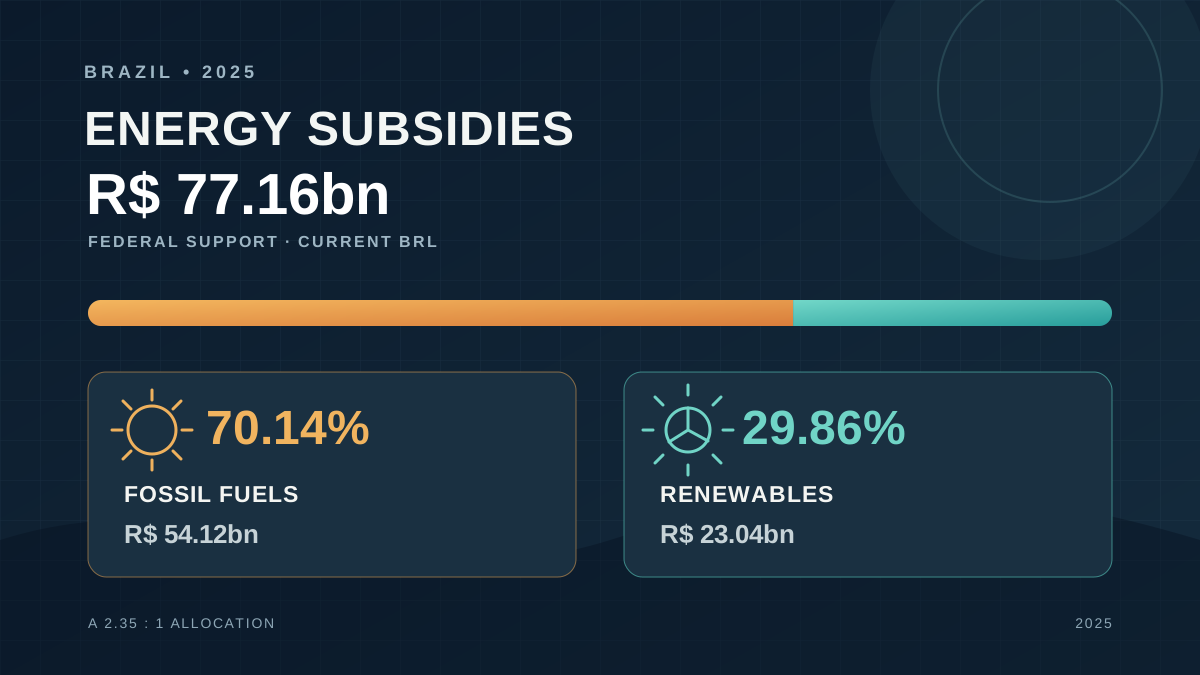
Brazil’s federal energy support reached R$77.16 billion in 2025, with fossil fuels taking 70.14%. The deeper issue is how tax breaks, tariff charges and clean-energy incentives distribute costs and benefits.
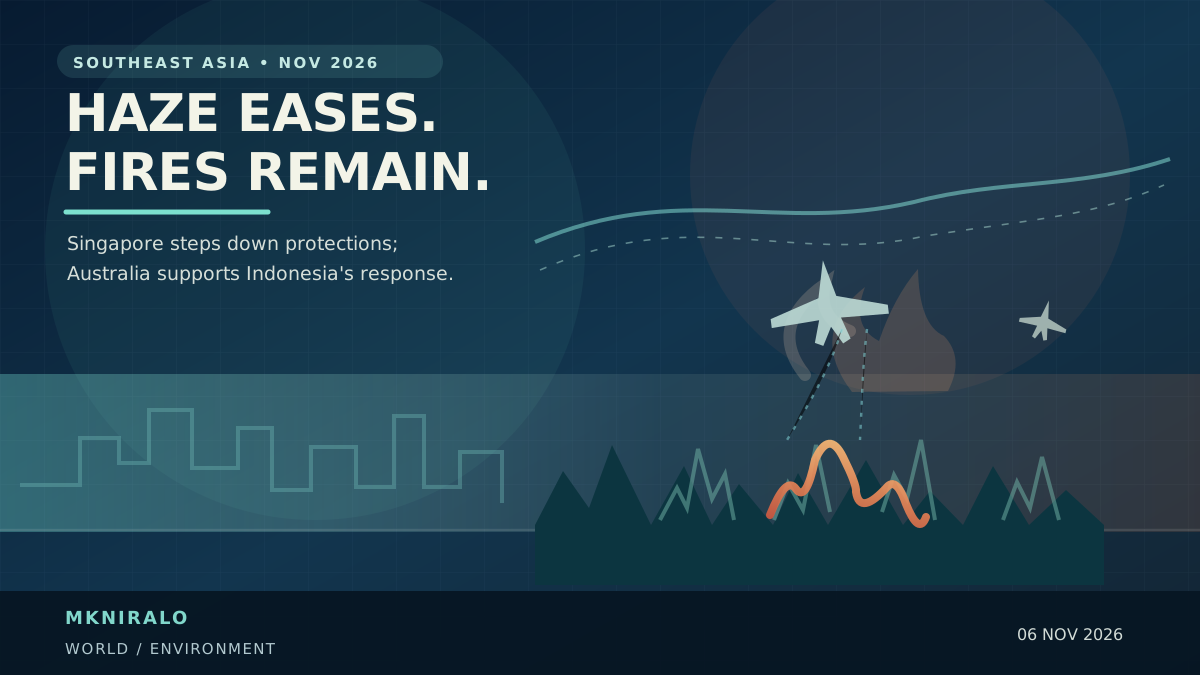
Singapore will end mask distribution and designated haze shelters on November 7, while Australia is sending aircraft and specialists to fight continuing fires in East Kalimantan. The dates, locations and missions are distinct.
A 60-day decree covers 1,380 districts in 191 provinces across 24 departments. Forecast warnings and dengue prevention show how the response extends beyond flood damage.
Punjab EPA’s 4 November report listed Lahore at AQI 360, while an Indian government bulletin recorded Delhi’s CPCB AQI at 350 at 16:00 on 3 November. The figures use different reporting systems and time windows, raising a harder question about how much air-quality improvement comes from policy rather than weather.
Brazil has published two COP30 roadmaps on fossil fuels and forests. They offer practical implementation frameworks, but their voluntary status leaves the decisive work—policy, finance and political agreement—to governments.
Japan’s National Disaster Management Agency began work on November 2 with 352 authorised positions and a mandate spanning preparedness, emergency response and recovery. Its effectiveness will depend on local capacity as well as central coordination.
Kenya's Thamani Asili programme has secured a ten-year financing framework across 31 counties. Its wildlife, land-management and employment benefits remain targets to be measured, not achievements already delivered.
Tonga's October groundwater assessment shows severe local freshwater stress, while meteorologists warn that the 2026–27 cyclone season could be active. Measured water conditions and future storm probabilities are different kinds of evidence.
A Funafuti study found no statistically detectable difference in stored rainwater quality associated with rooftop solar panels, but reported E. coli in many sampled systems. The findings are local, not a universal safety guarantee.
Cyclone Murasu crossed south Andhra Pradesh between 3:30 and 5:30 a.m. IST on November 3. Early reports include uprooted trees and power poles; the first Reuters account reported no deaths or injuries at that time.
Bolivia's Decree 5759 addresses existing drought and warns of possible floods and other El Niño hazards. The declaration enables coordination; it is not proof that emergency money has reached families.
The government says K304 million has been released from a K1.165 billion El Niño response package. The harder question is how much reaches remote communities as food, water and school support.
The Nobel laureate helped bring climate change into long-run economic modelling. The framework he built still shapes policy, while its assumptions about discounting, damages and risk remain contested.
The Pacific Resilience Facility has begun supporting community projects, but a $500 million initial target, about $190 million in pledges and a much smaller publicly reported deposit balance show why promises and money in the bank are different.
Satellite monitoring shows the lowest annual Amazon deforestation rate since records began in 1988. The result is real progress, but it is not the same as ending forest loss or degradation.
Governments adopted the Yerevan Pathway at the UN biodiversity summit, but the first global review found most 2030 goals off track. A negotiated roadmap is not recovered ecosystems.
Rain brought temporary relief after intense forest and peatland fires, and ASEAN lowered its haze alert. Underground smouldering and respiratory impacts mean the story cannot end with clearer skies.
An environmental group's new tracker counts federal support for 90 US coal plants. Understanding the impact requires separating funding commitments, emergency orders, pollution exemptions and measured costs.
The UN has documented 252 million hectares under restoration. The headline is encouraging, but freshwater and coastal ecosystems lag, and restoring land does not always mean recovery is complete.