Vodacom Keeps Safaricom for Now. A Court Ruling Still Threatens Its Control
Vodacom retains control of Safaricom pending an appeal, but the court judgment has already triggered loan defaults and temporary waivers.
6 min read ↗
Explore reporting, explainers and practical guides about Business. Tags help narrow the subject, while series pages bring related developments together over time.

Vodacom retains control of Safaricom pending an appeal, but the court judgment has already triggered loan defaults and temporary waivers.

Three subcontracted workers died during wastewater-plant maintenance at Tata Electronics in Hosur. Suspected gas exposure remains under investigation.

Nigeria's student loan fund says borrower names will remain private as its reported cumulative disbursements pass ₦375 billion.

China recorded a $1.04 trillion goods-trade surplus from January to October, while imports grew faster than exports in yuan terms.

Botswana has selected the Global Diamond Consortium as preferred bidder and says its De Beers stake will rise to 30% if the proposed sale is completed.

The third-quarter jobless rate increased even as employment grew, underscoring the difference between adding jobs and absorbing a growing labour force.

Jeremy Latcham will take charge of DC Studios on December 1 as James Gunn and Peter Safran leave executive leadership but continue creative projects.

China continued a suspension of six 2025 export-control measures through January 10, 2027, but the announcement neither repeals the rules nor authorizes individual shipments.

Fox has completed its approximately $22 billion acquisition of Roku, bringing a major connected-TV platform into its media portfolio. The U.S. Justice Department closed its antitrust investigation after Fox made commitments to preserve access for competing content providers.

Australian technology group Codan has agreed to buy US mission-critical recording company Eventide through its Zetron subsidiary, in a deal valued at about A$244 million and expected to close in early 2027.

Service Stream has agreed to buy Programmed for A$975 million, using a A$475 million equity raising and additional debt to build a larger Australian and New Zealand infrastructure services group.

Shoprite approved a special CEO share plan despite 46.19% opposition among ordinary shares. Deferred-share votes raised total support to 70.91%, reopening questions about voting power and executive pay.

Tunisia’s 2027 draft promises public jobs, subsidies and development credits, but financing needs and an official deficit discrepancy complicate the plan.

Côte d'Ivoire's new PIRME presentation projects CFA38 trillion in resource and energy investment through 2040. Eighty-eight percent is expected from private capital, but projects still need financing and oversight.

Mexico's October inflation rose to 3.75% after Banxico had cut rates to 6.25%. The sequence shows why remaining inside a target band is not the same as reaching the goal.

Canada's Real-Time Rail is operational with eight initial participants, but major-bank onboarding and Interac settlement migrations continue through 2027. Projected savings and access are not yet realized benefits.

Mitsui Chemicals has agreed to acquire JSR in a ¥1.84 trillion transaction, including ¥447.9 billion of debt and other items. Regulatory approvals, financing and industrial synergies still lie ahead.

Nepal has approved a framework tying wages, social-security contributions and worker identification to government procurement. It is a significant change for workers on public contracts, but the quoted totals include contributions that should not be confused with take-home pay, and the rules' impact depends on contractors, budgets and inspections.

The Senate confirmed Jorge Schreiner and Fernando Rivarola to lead Paraguay’s central bank through the ueno aftermath. Repayments have started, but depositors and public pension funds still face unanswered questions.

Philippine GDP grew only 2.1% year on year in the third quarter as farms shrank and consumer spending slowed, leaving a difficult path to the government’s 2026 growth target.

Crédit Agricole has proposed talks to merge its Italian business with Banco BPM, outlining a €1 billion extraordinary dividend and an approximately 45% stake—subject to shareholder and regulatory approvals.

The Philippines plans a PHP 16.80-per-litre gasoline rollback, with smaller diesel and kerosene cuts from November 10, as the DOE cites hopes for US–Iran diplomacy and cautions remain about pump timing and supply.
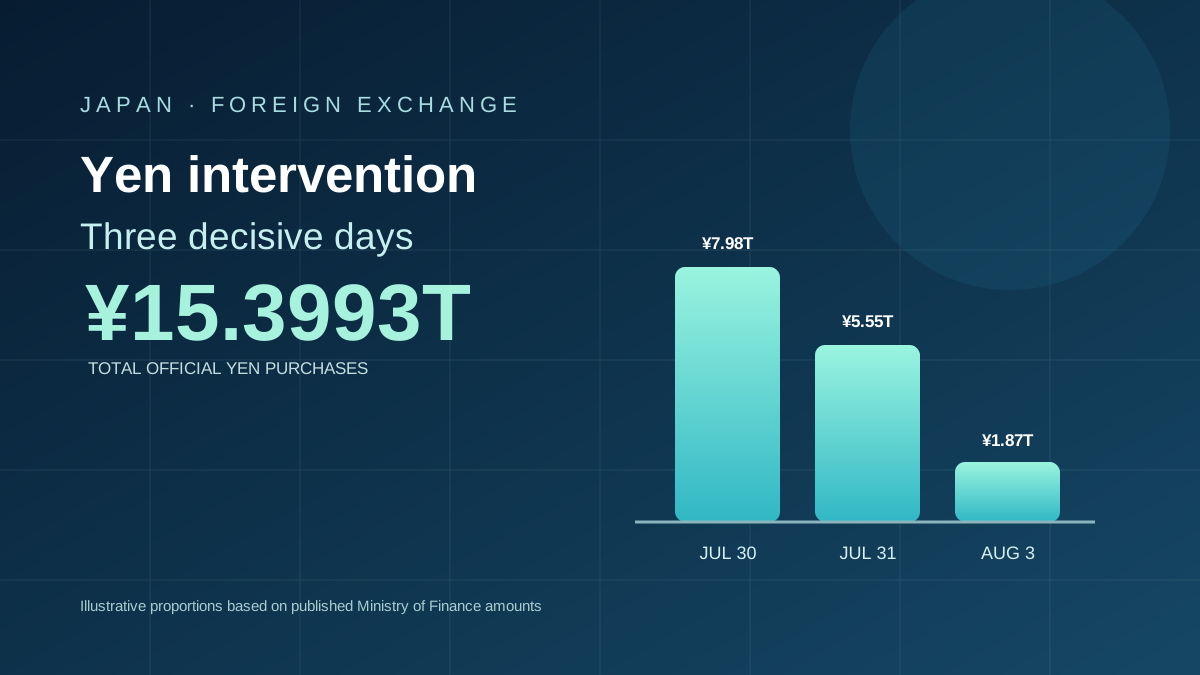
Japan disclosed a record ¥7.9756 trillion yen-buying operation on July 30 and two further intervention days, totaling ¥15.3993 trillion, including a coordinated U.S. action.

Saudi Arabia’s Energy Ministry said falling shrapnel caused minor damage to an Aramco administrative building in Riyadh, with no casualties reported. CNN separately reported witness accounts and geolocated video indicating a missile struck the tower directly.
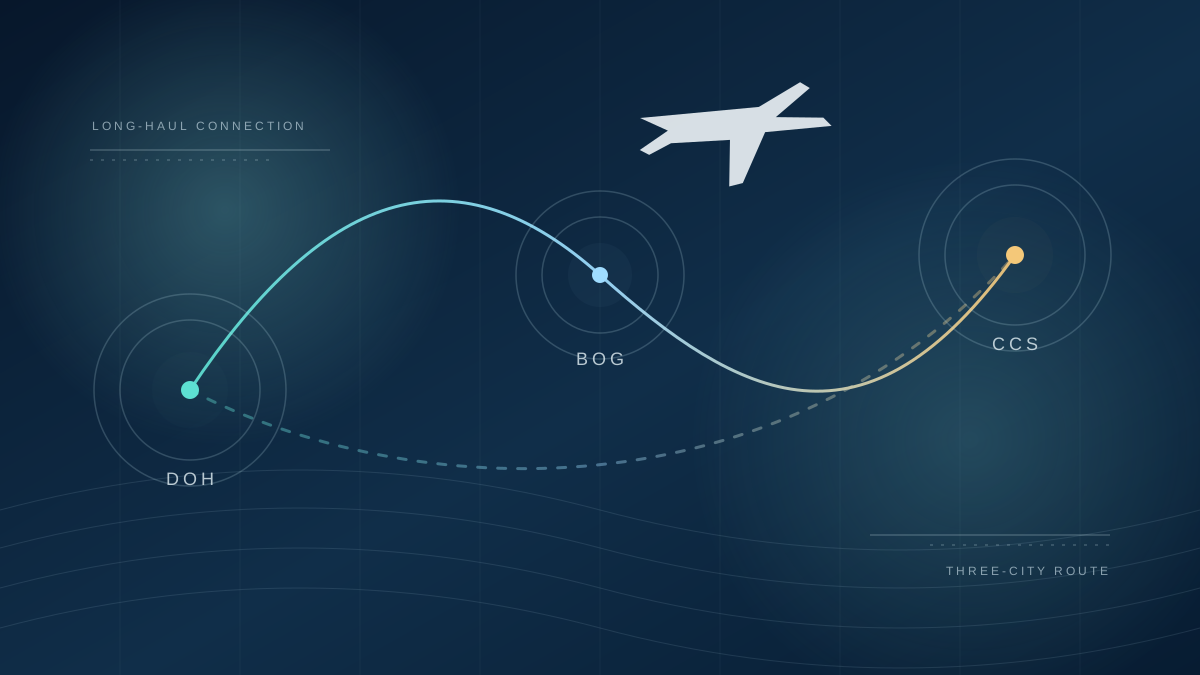
Qatar Airways has opened a twice-weekly Doha link to Bogotá and Caracas, becoming the first Gulf carrier in Venezuela. The route’s delayed launch reflects airport recovery, and its long triangular schedule reflects aircraft-performance limits.

New bilateral flight rights will raise the Kazakhstan–China weekly ceiling to 180 and add Chengdu and Kashgar, as Central Asian carriers, airports and tourism markets seek stronger links with China.

Germany's latest online-retail figures show a sharp reversal for Shein, Temu and AliExpress: their combined sales fell 35.5% year on year in the third quarter, as EU customs changes raised the cost of low-value imports.

Thai export quotations reached $499 a tonne as El Niño heightens crop risks, but the global production outlook is more nuanced than claims of a decade-long first decline.
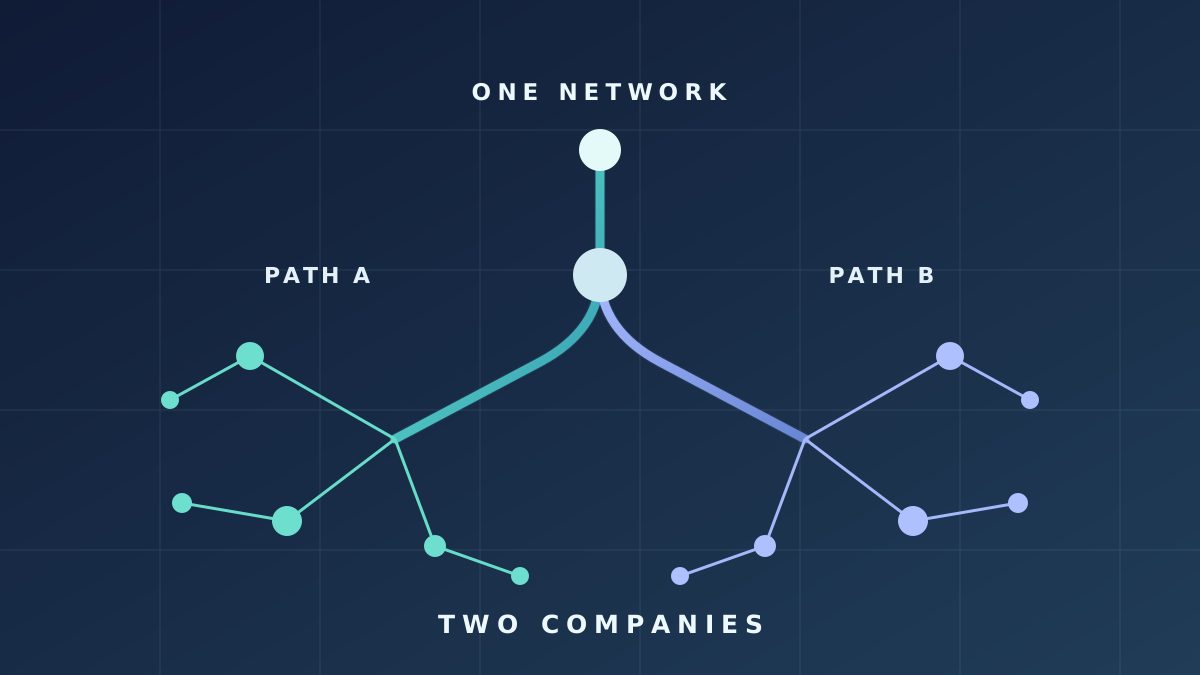
CVS will separate its retail pharmacy chain from Aetna, Caremark and healthcare services by a targeted 2028 completion, after shares fell 12.5% on announcement day.
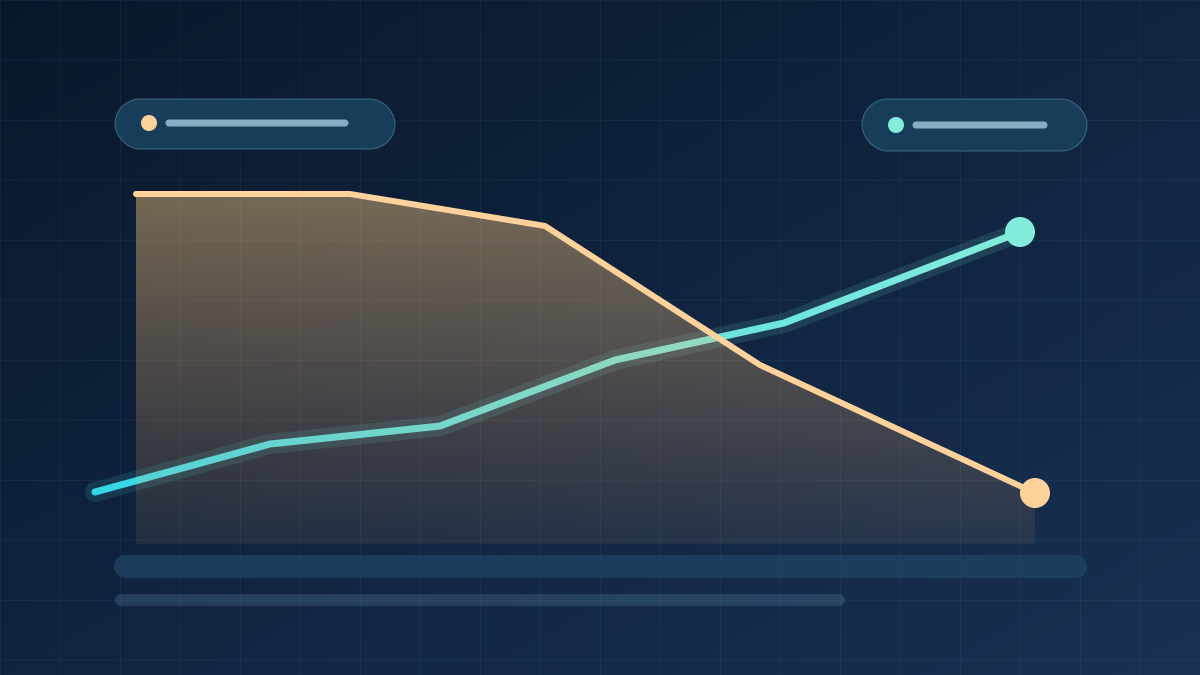
Charter grew reported third-quarter revenue by 9.1%, yet recorded a $2.4 billion loss attributable to shareholders. A $6.33 billion noncash franchise impairment helps explain why those figures can coexist.

Marvell’s proposed purchase of Lumentum is a landmark bet on optical links for AI data centres. But its fixed stock exchange ratio, dilution and long regulatory runway help explain why investors sold both shares after the announcement.
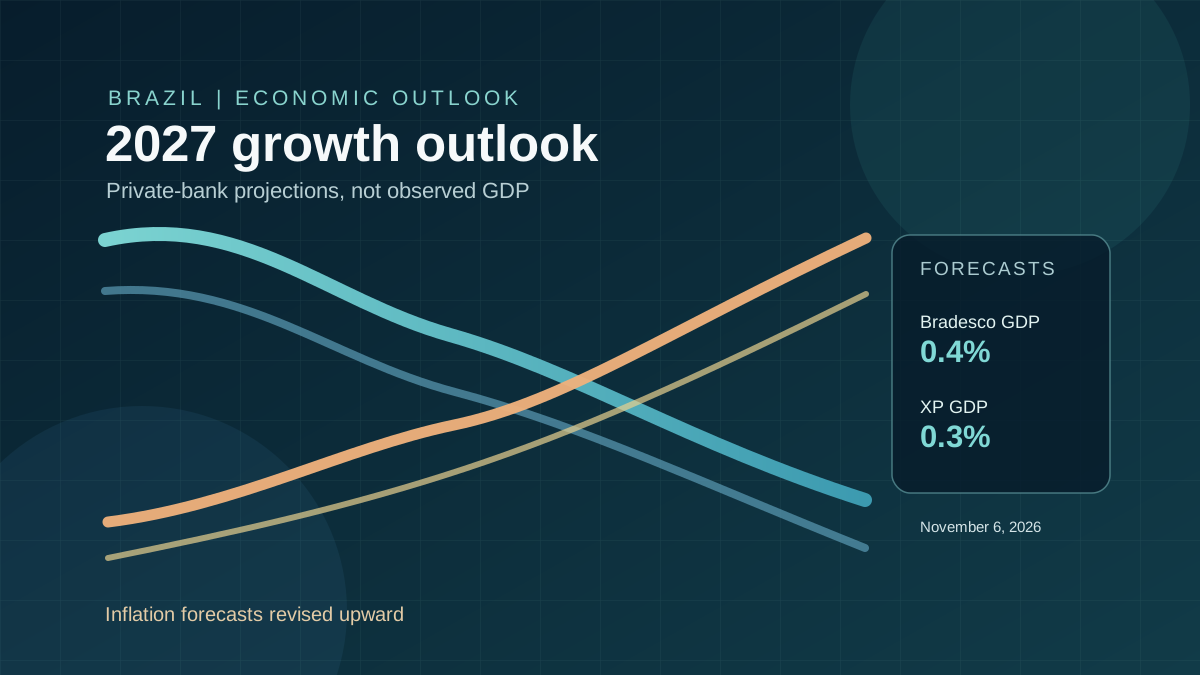
Two major Brazilian financial institutions now expect growth of just 0.3%–0.4% in 2027. Their sharply revised forecasts also point to higher inflation, but they are predictions, not measured economic results.
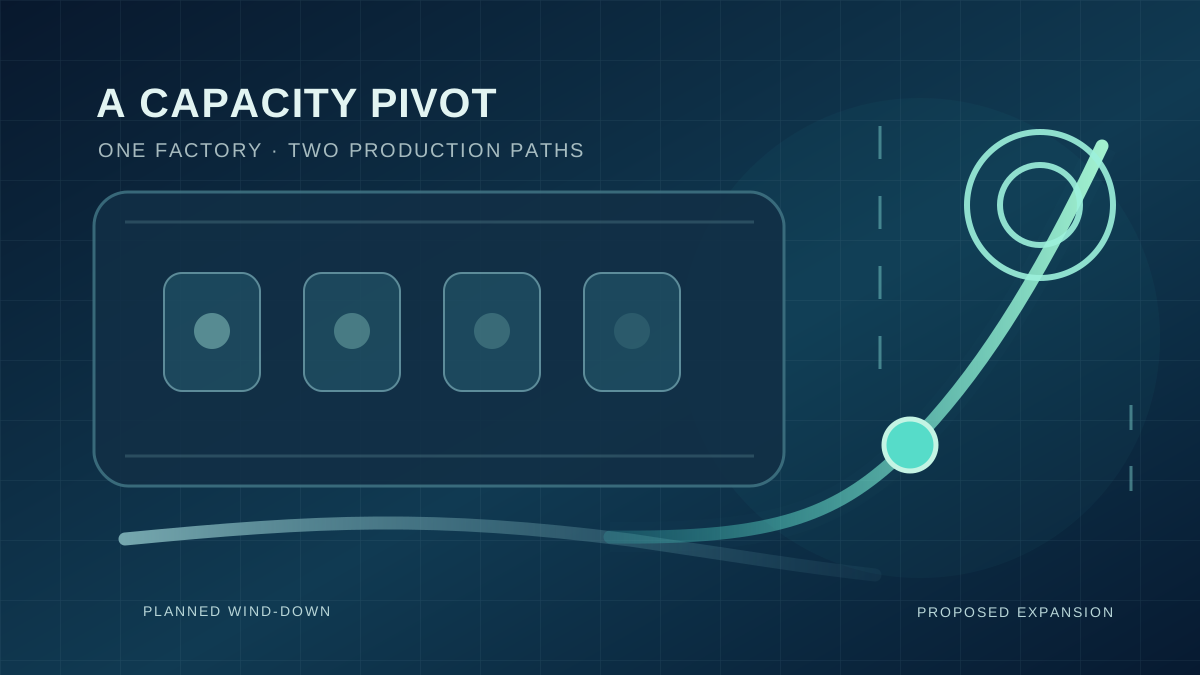
Musk says Cybertruck production in Texas will wind down around mid-2027 for Cybercab capacity. Whether the pickup moves or ends remains unconfirmed.
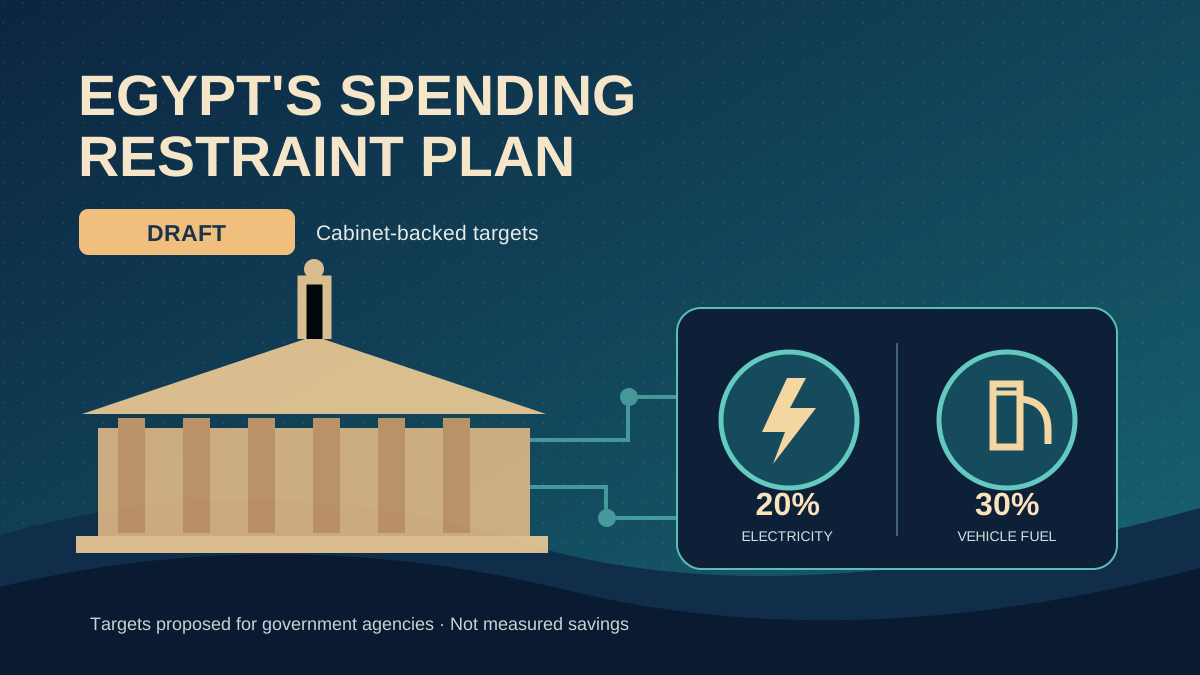
Egyptian ministers approved a draft three-month public-sector restraint plan with 20% electricity and at least 30% official-vehicle fuel targets. Final commencement and savings are not yet verified.
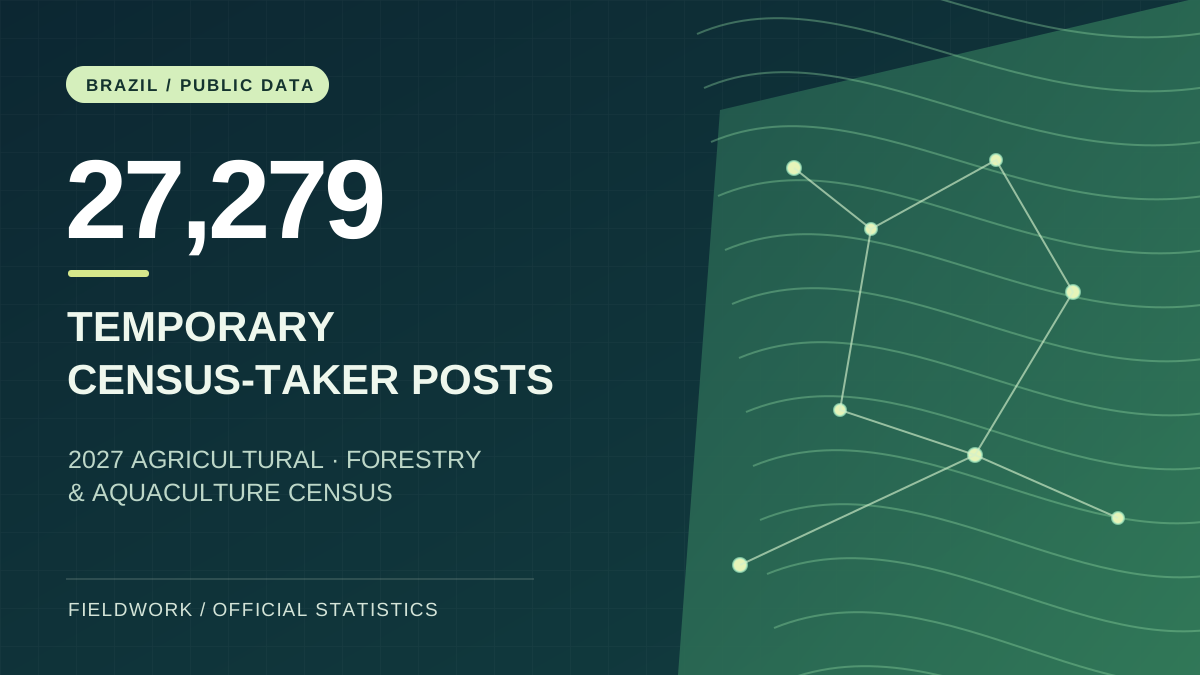
Brazil is recruiting 27,279 temporary field workers for its 2027 agricultural census. The official notice sets a November application deadline, a January exam and pay that combines fixed and performance-based components.
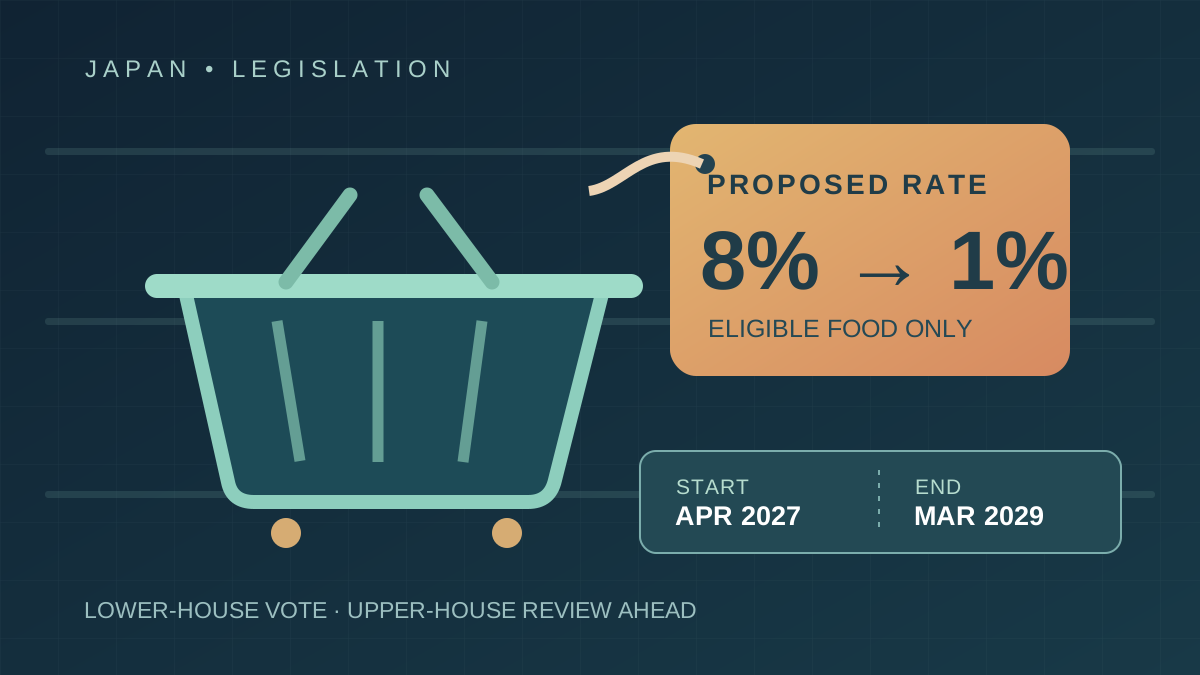
Japan’s lower house passed a bill to cut the tax on eligible food from 8% to 1% for two years. The upper house, the funding plan and payment eligibility remain unresolved.
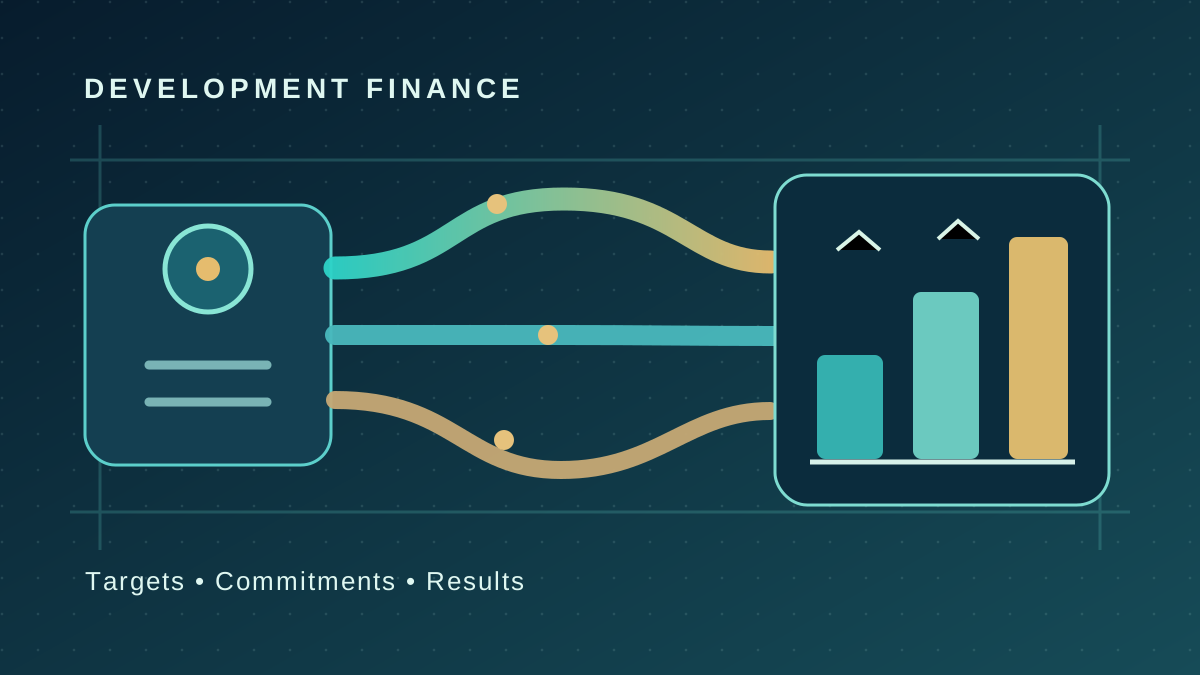
BII’s Nairobi strategy launch sets continent-wide capital ambitions, not money earmarked for Kenya. The test now is signed financing, private mobilisation and measurable results.

New ECB figures released November 6 put EU-headquartered bank assets at €34.99 trillion at end-June 2026, while the bad-loan ratio edged up to 1.99%.

Brussels has opened a safeguard probe covering PET resin and upstream chemicals, but no new restriction is in force. Here is what the notice says and what comes next.
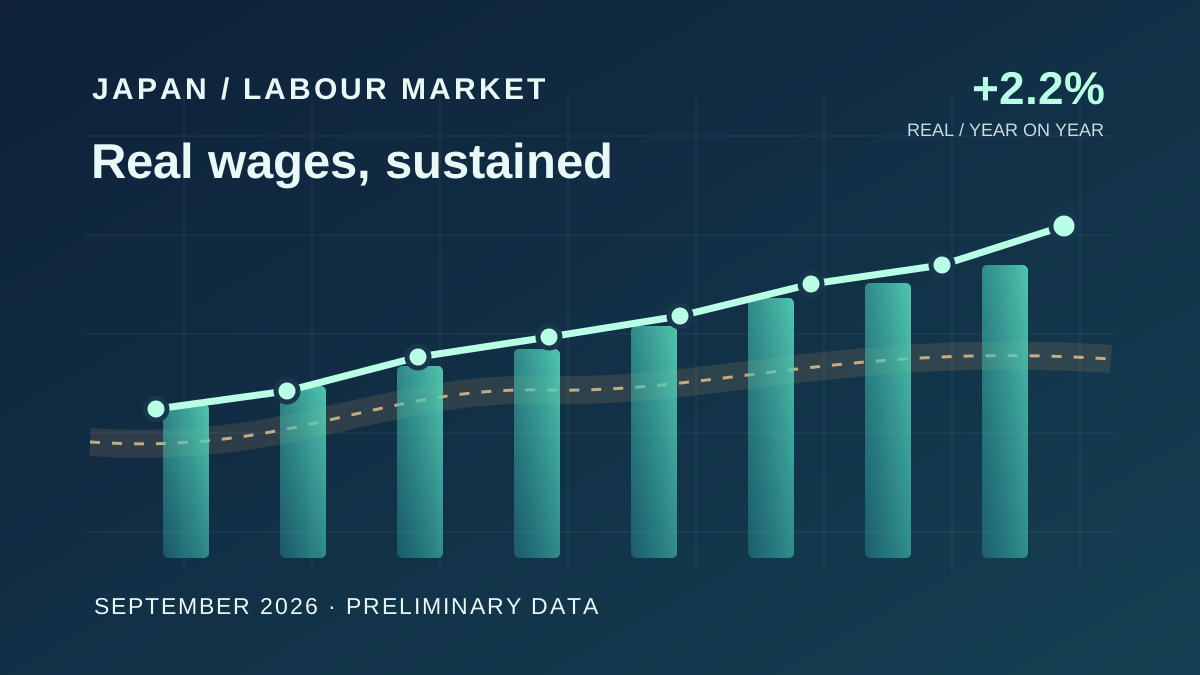
Japan’s preliminary September payroll data show a ninth month of real wage growth and stronger base pay. A statistical distortion in special payments complicates the nominal headline.

The government wants employers to include pay information in job adverts, but the proposal has no timetable and its detailed requirements remain undecided.
Türkiye's banking regulator has revoked Golden Global Investment Bank's licence under a domestic obligations rule. The separate US sanctions case remains important context, not an established legal cause.
A shared system failure interrupted banking at 128 Japanese shinkin institutions. Services recovered in stages before the operator reported a full restoration that evening.
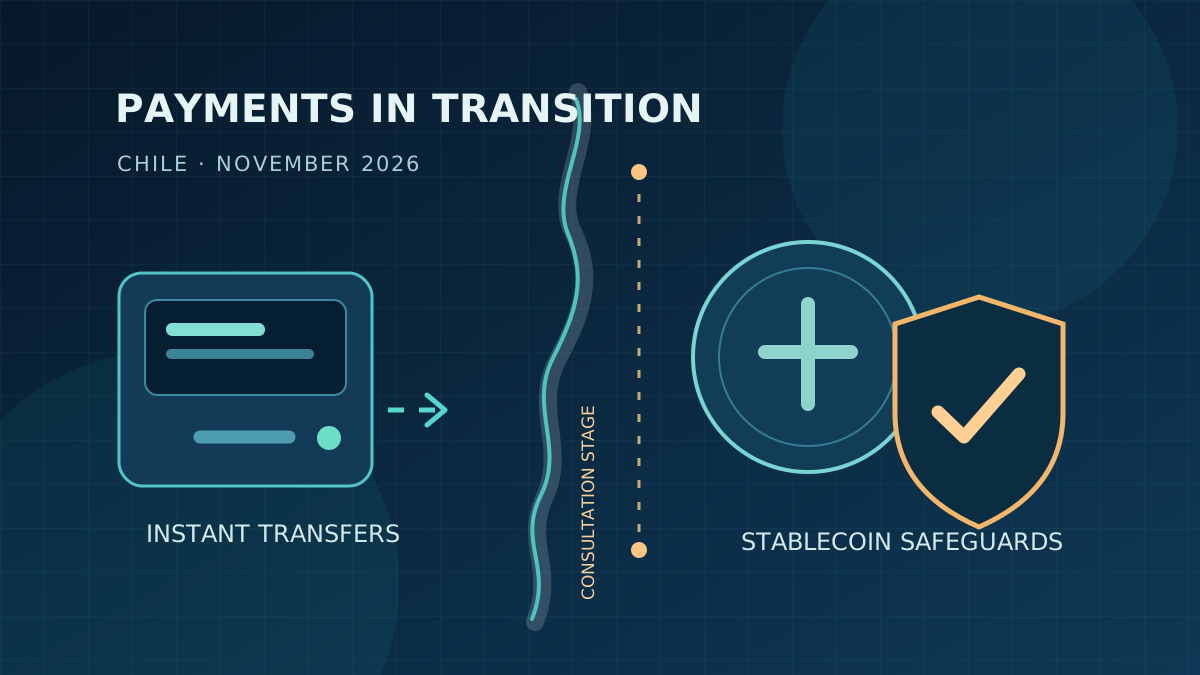
Chile’s central bank is preparing consultations on low-value payments and payment-oriented stablecoins. Its November remarks explain the sequence, but no final new permission has been granted.
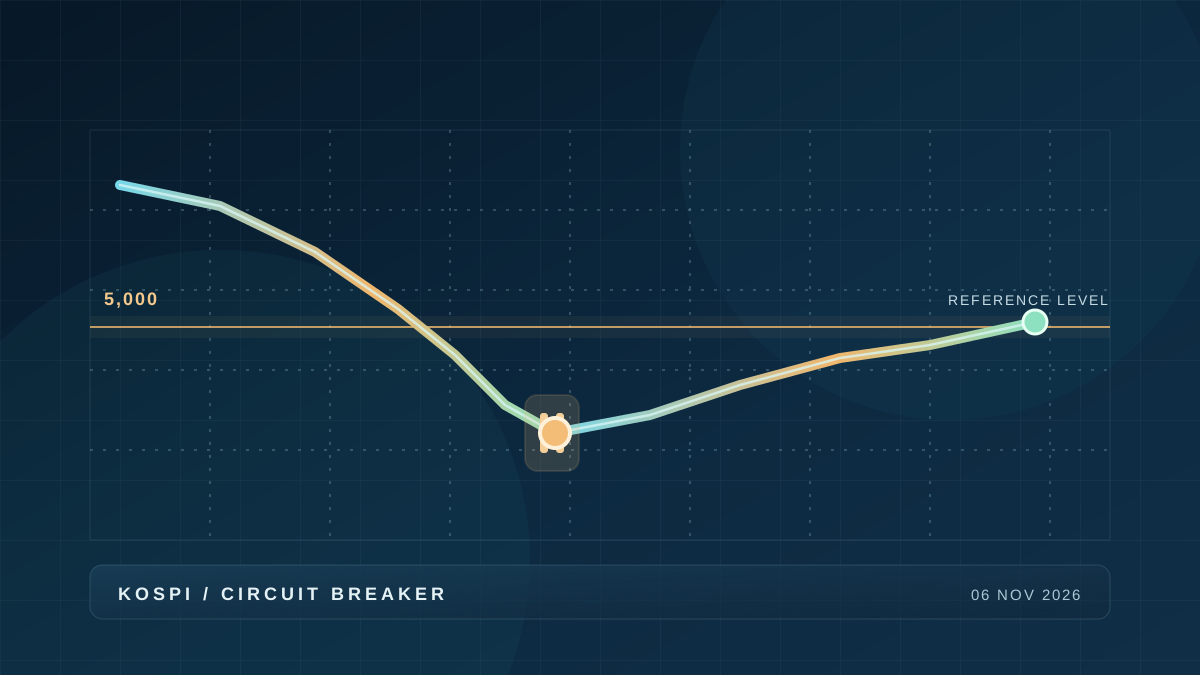
South Korea’s KOSPI fell below 5,000 and triggered a 20-minute trading halt on Nov. 6, then recovered to close at 5,059.69. The episode showed what circuit breakers, sidecars and margin-loan rules can—and cannot—do during a market shock.
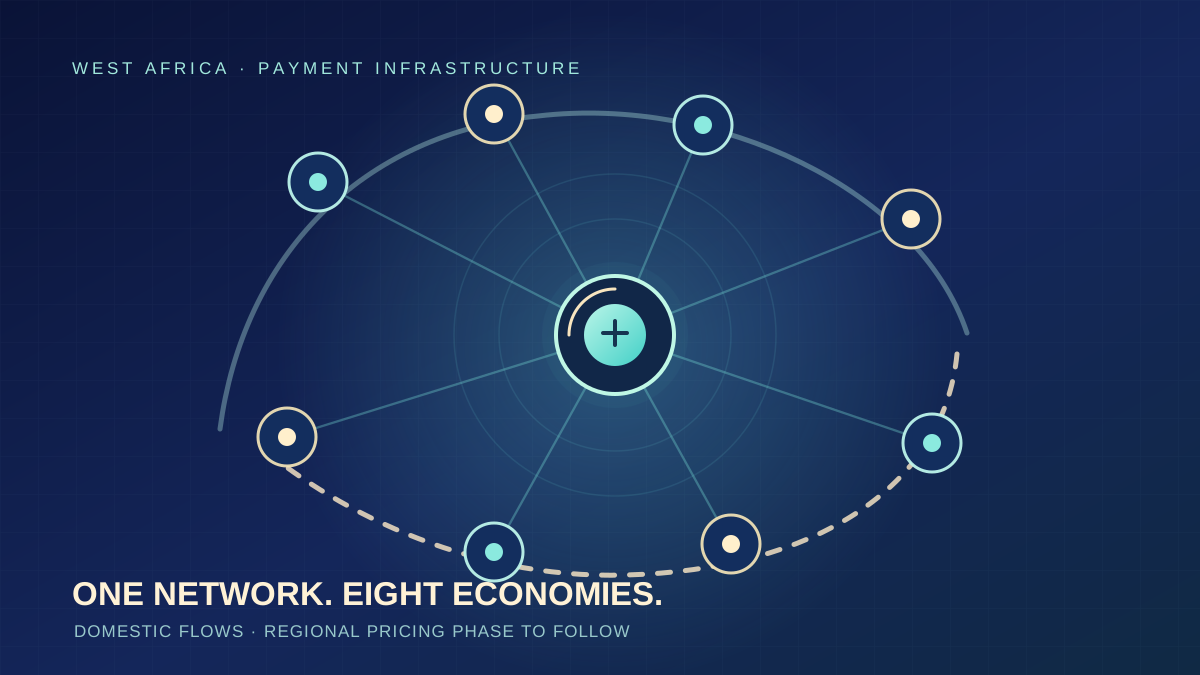
Eight WAEMU countries are tightening the rules for interoperable mobile-money transfers. The daily free allowance and the delayed cross-border pricing date deserve close attention.

Brazil’s credit-guarantee fund disclosed unauthorized access to investor records on November 5, ten calendar days after identifying a suspected incident. What is known, and what remains open?
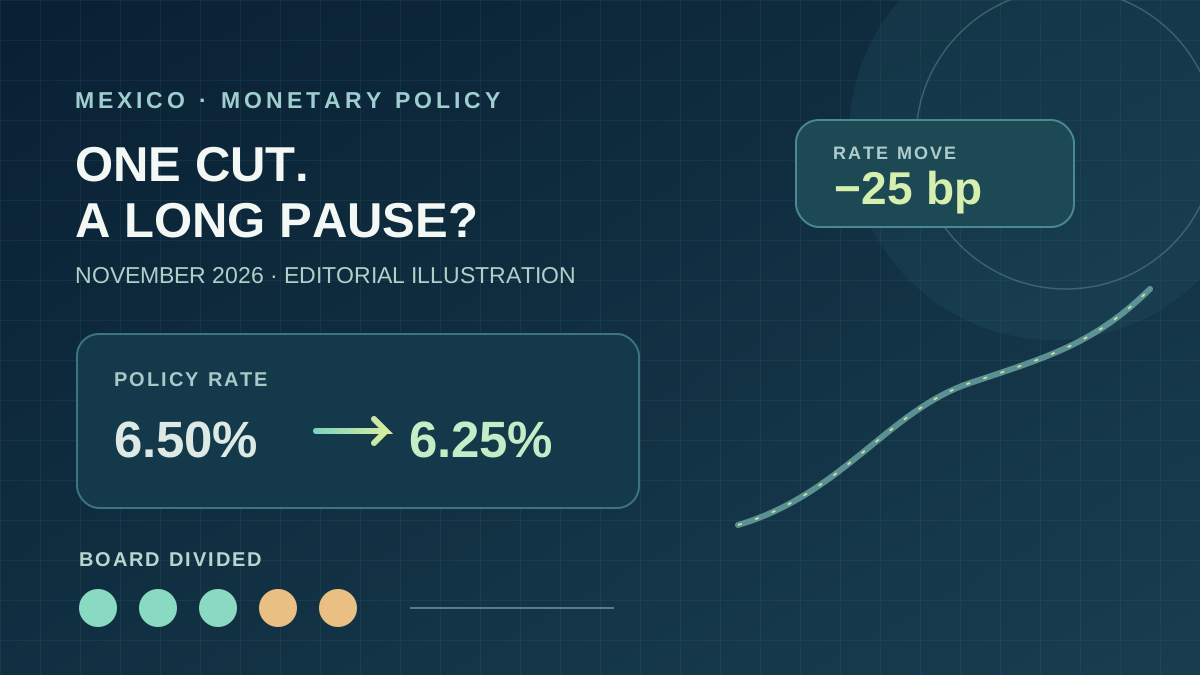
Mexico's central bank lowered its policy rate to 6.25% in a divided vote even as it raised near-term inflation forecasts. The message was a one-off adjustment, not a promise of more cuts.
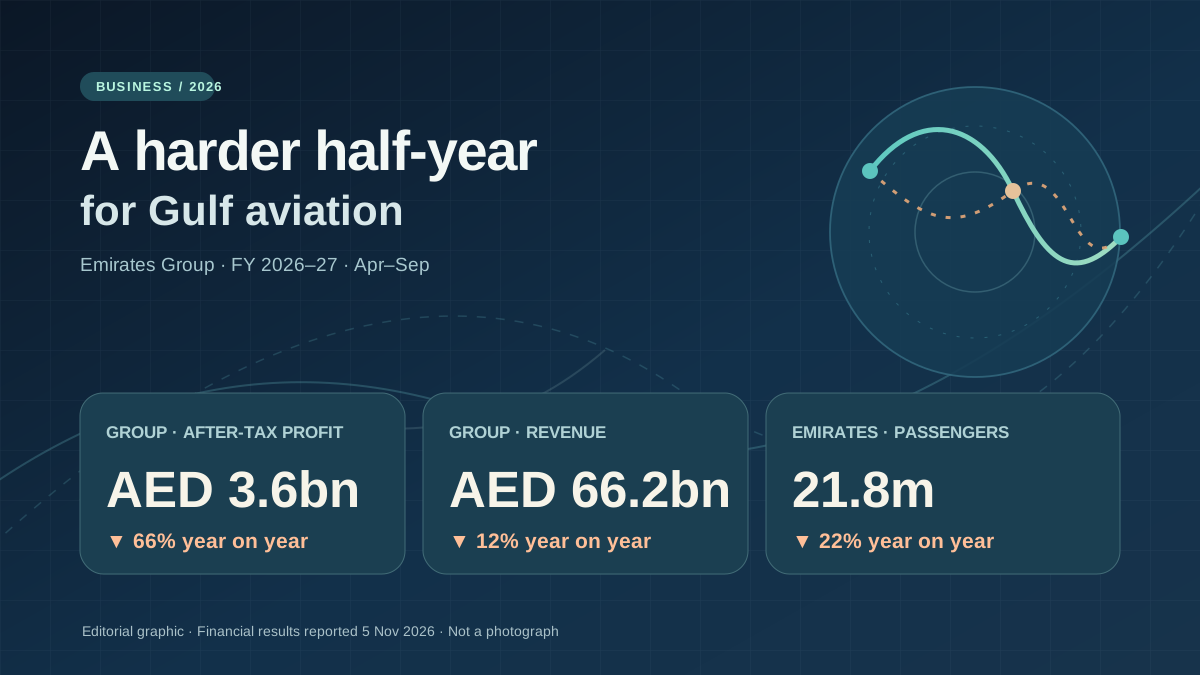
Emirates Group earned AED 3.6 billion after tax in the first half of 2026–27, down 66%. The airline carried 22% fewer passengers even as cargo revenue rose.
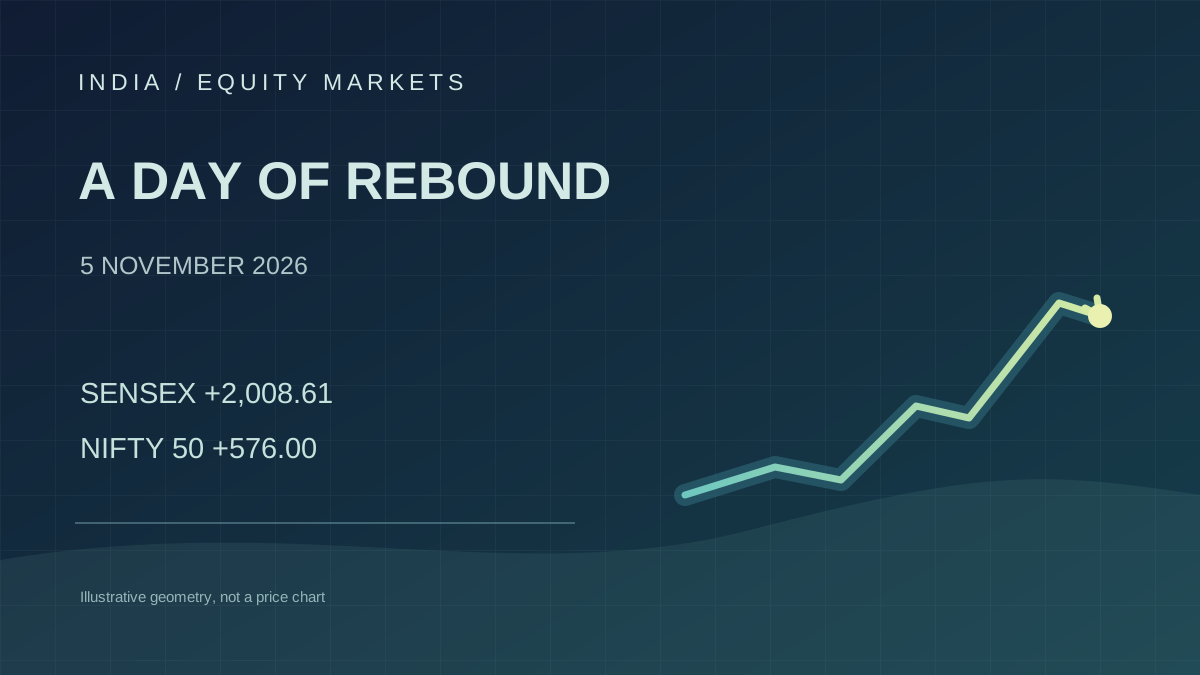
The Sensex closed at 79,310.01 and the Nifty at 24,536.60, their largest daily gains in months, as oil relief, US election expectations and foreign flows lifted Indian equities.
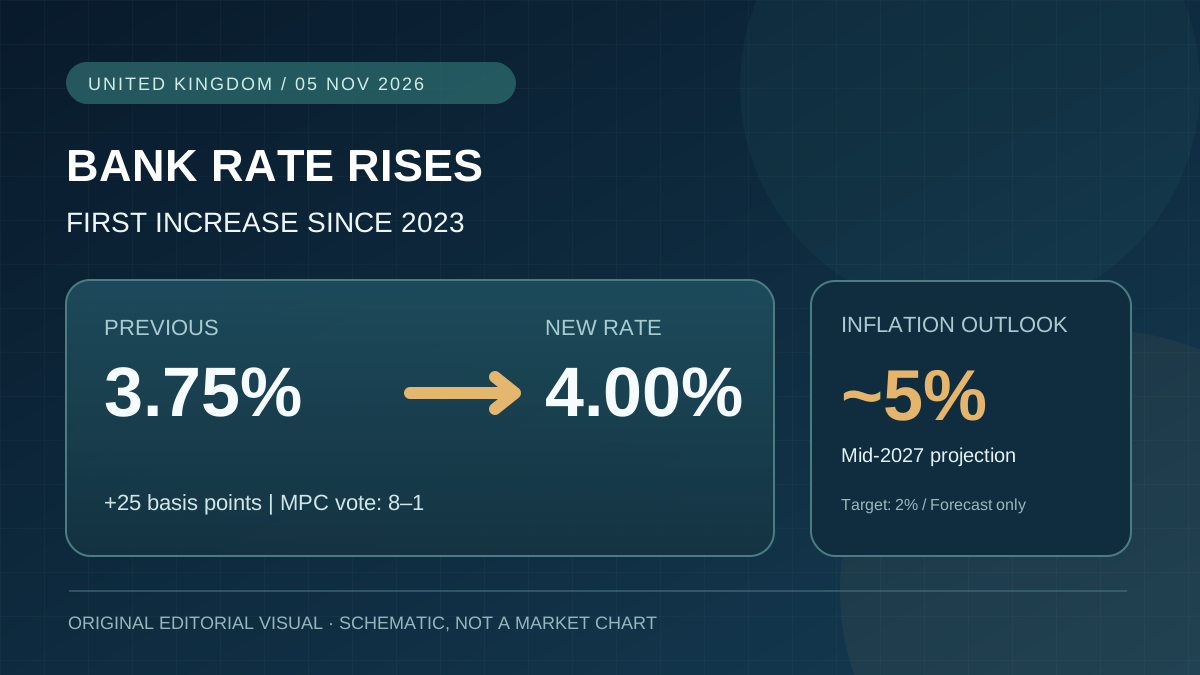
Britain’s central bank delivered its first interest-rate increase since August 2023. An 8–1 vote masked a demand for an even larger rise, while energy-driven inflation and the next rate decision remain uncertain.
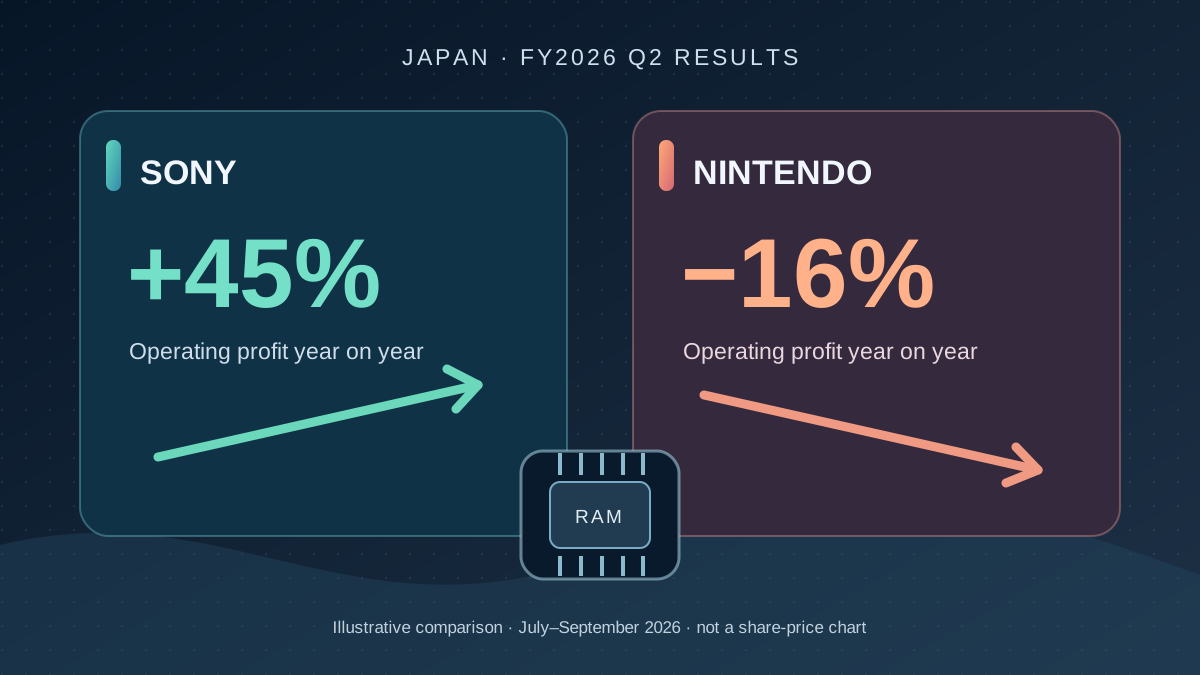
Sony’s quarterly operating profit rose 45% to ¥622.3 billion, while Nintendo’s fell 16% to ¥73.9 billion. Their first-half trends tell a more nuanced story.
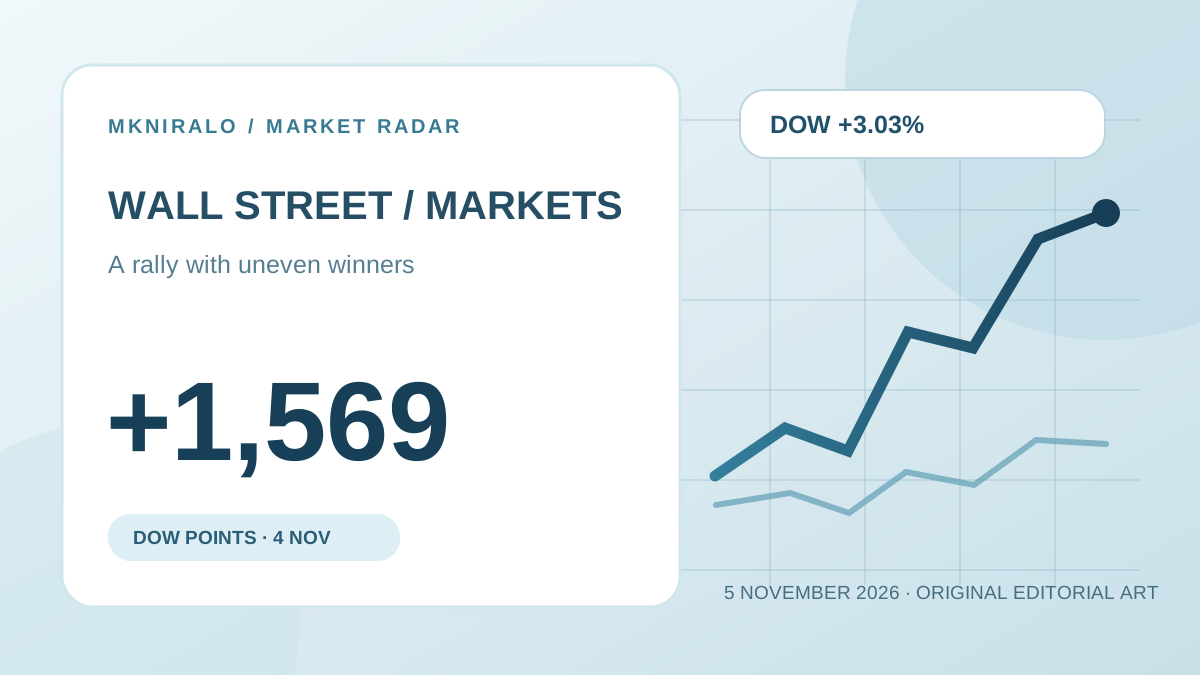
The Dow rose 1,569.40 points on 4 November, with the S&P 500 and Nasdaq also higher as investors reassessed Washington, falling oil and risks across the AI economy.
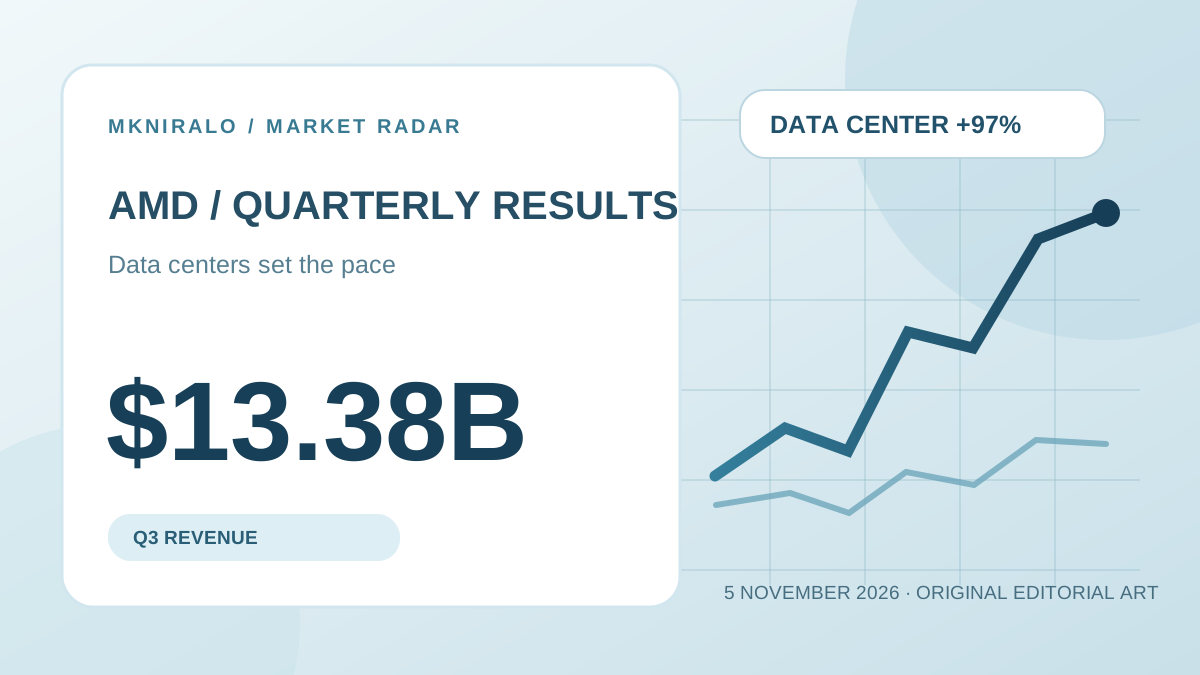
AMD reported $13.377 billion in third-quarter revenue, up 45%, with data-center sales growing 97%; the next test is whether its $17 billion fourth-quarter guidance translates into sustained scale.
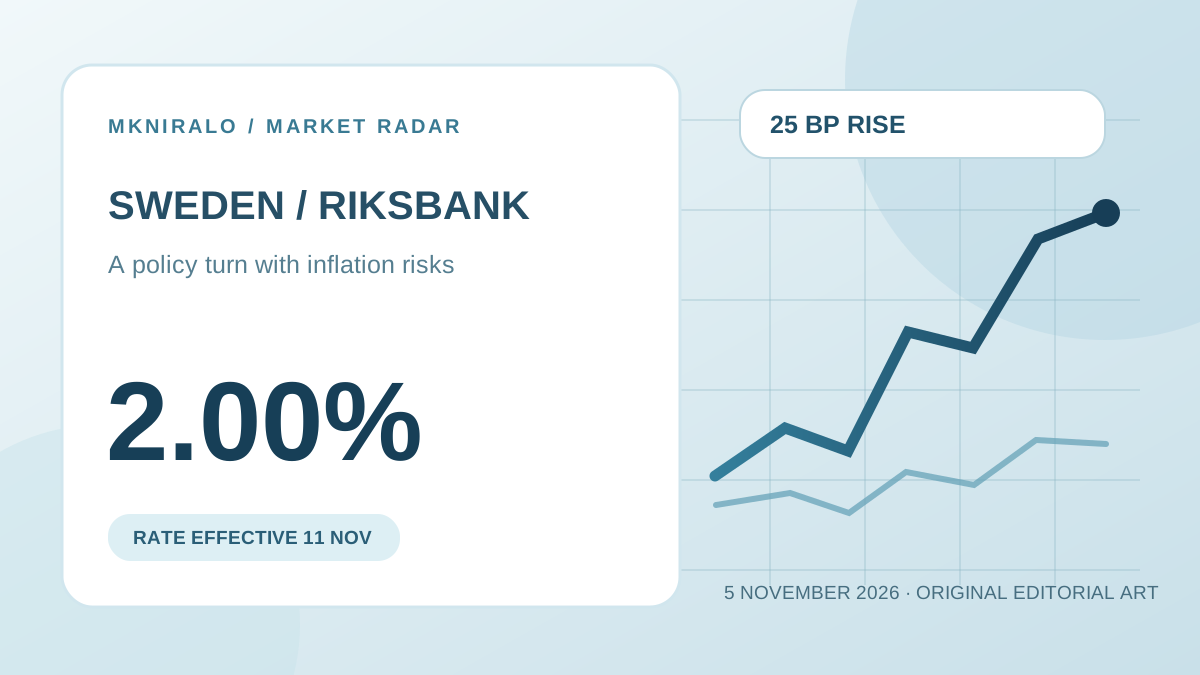
Sweden’s Riksbank raised its policy rate by a quarter point to 2%, effective 11 November, and left the door open to further increases despite September headline CPIF inflation of 1.5%.
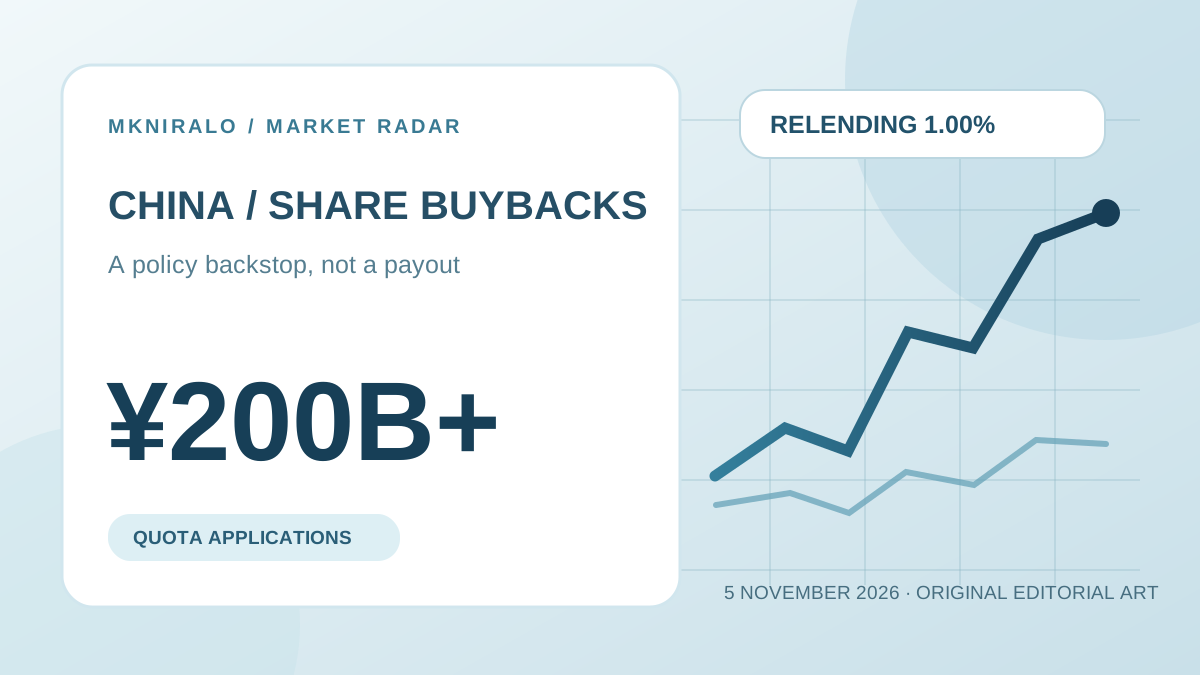
Banks sought more than 200 billion yuan in quota under China’s share-buyback relending facility after the central bank cut its rate to 1%. Applications are not the same as loans disbursed.
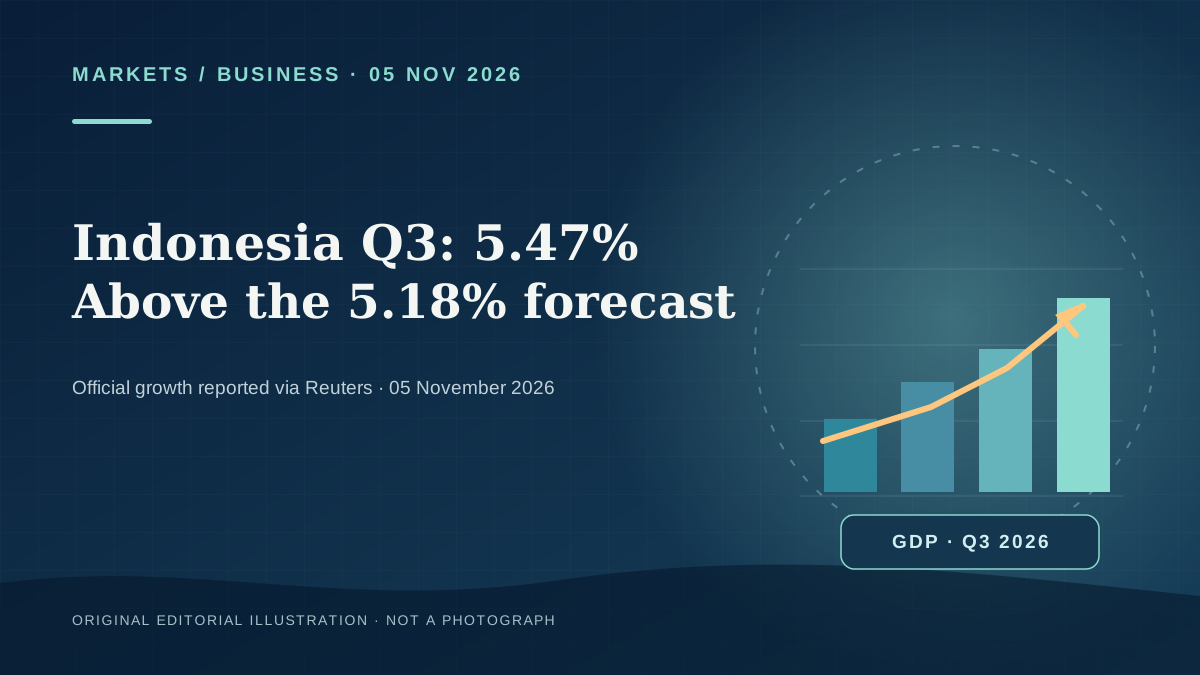
Indonesia’s economy grew 5.47% year on year in Q3 2026, above a Reuters poll forecast of 5.18%, as exports improved and household spending held steady. The data does not establish full-year growth.

China has prohibited the acquisition of ABB’s Chinese robotics business under SoftBank’s $5.375 billion deal. The companies remain in dialogue, and the transaction has not been described as terminated.

Reuters says IndiGo is discussing 100 Embraer regional jets, with options for about 50 more. No agreement, aircraft model, final order size or delivery schedule has been confirmed.
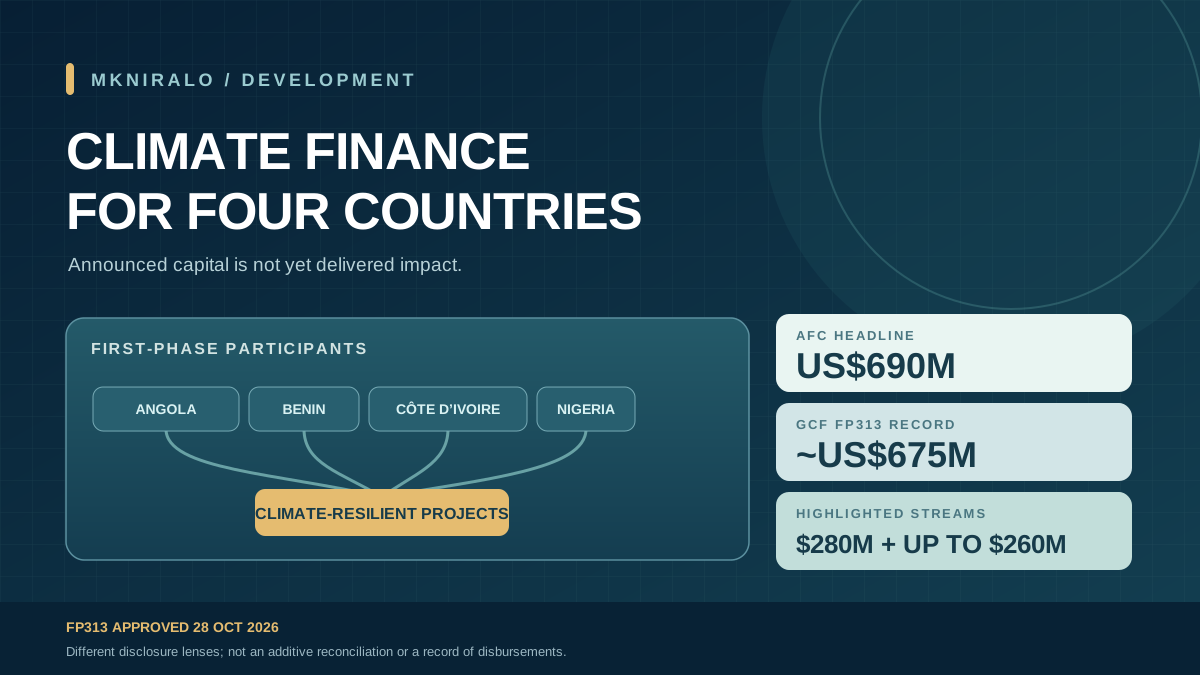
Africa Finance Corporation and the Green Climate Fund have announced a four-country climate-finance facility. The $690 million headline, GCF’s roughly $675 million project record and the two highlighted financing commitments describe different parts of the arrangement.
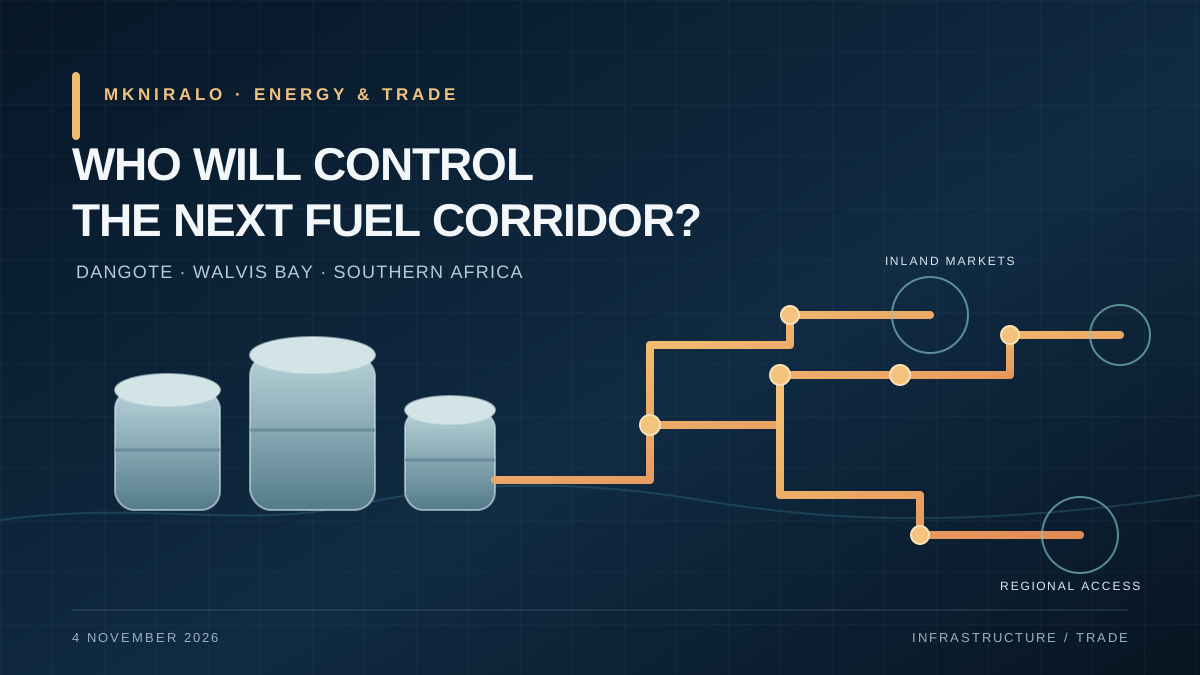
Dangote's Namibia plan could reshape how imported fuel moves into Southern Africa. But the 1,700-kilometre corridor remains a planning scope, approvals are unfinished and the distribution of local gains is still an open question.
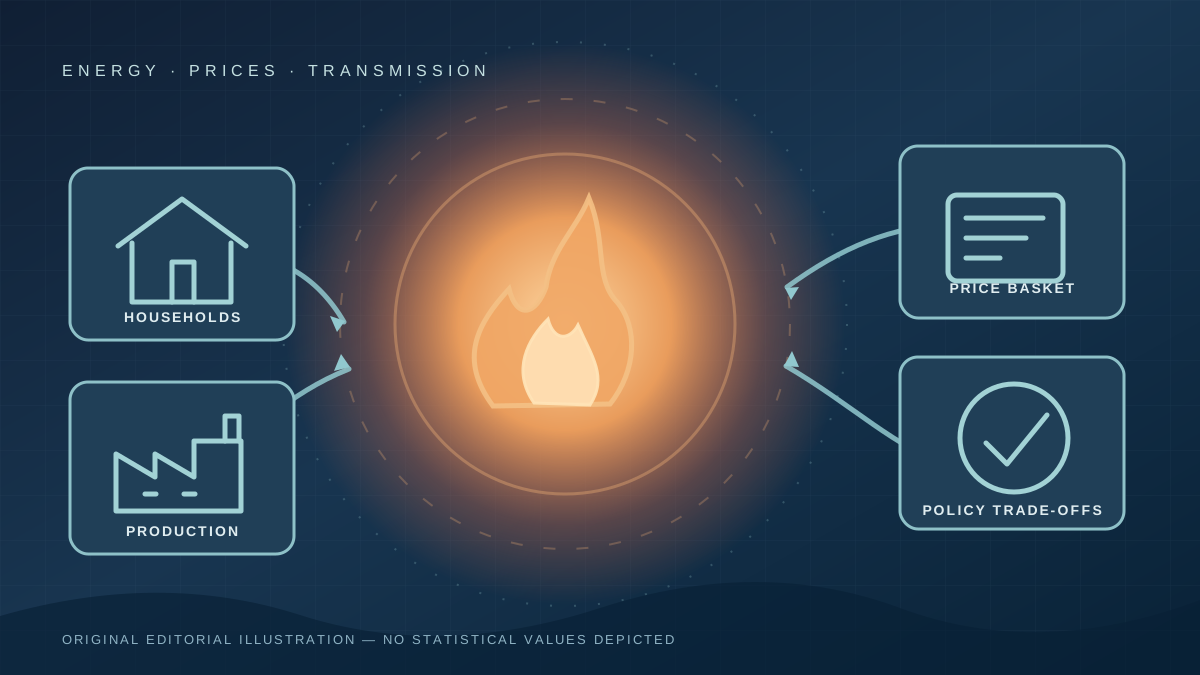
Eurostat estimates euro area inflation at 4.0% in October 2026, with energy up 20.8% but core inflation steady at 2.5%. What matters next is whether the shock spreads and persists.
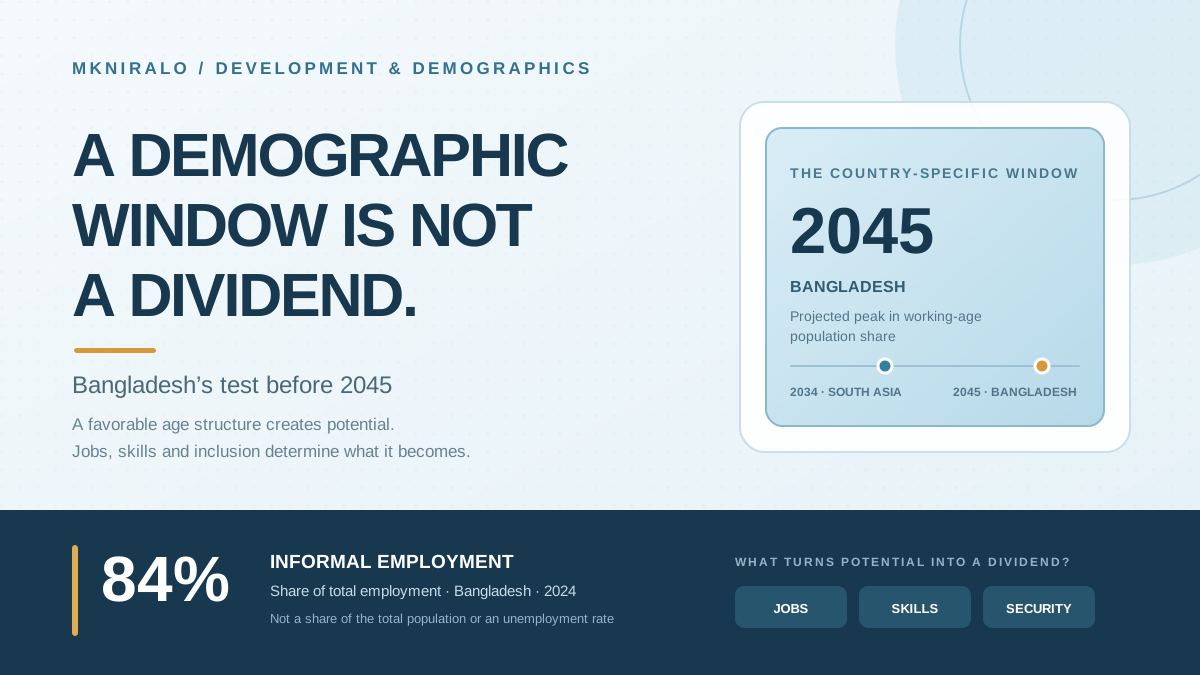
Bangladesh’s working-age population share is projected to peak in 2045. That gives the country time—but no guarantee—to turn a favorable age structure into productive jobs, higher incomes and stronger social protection.
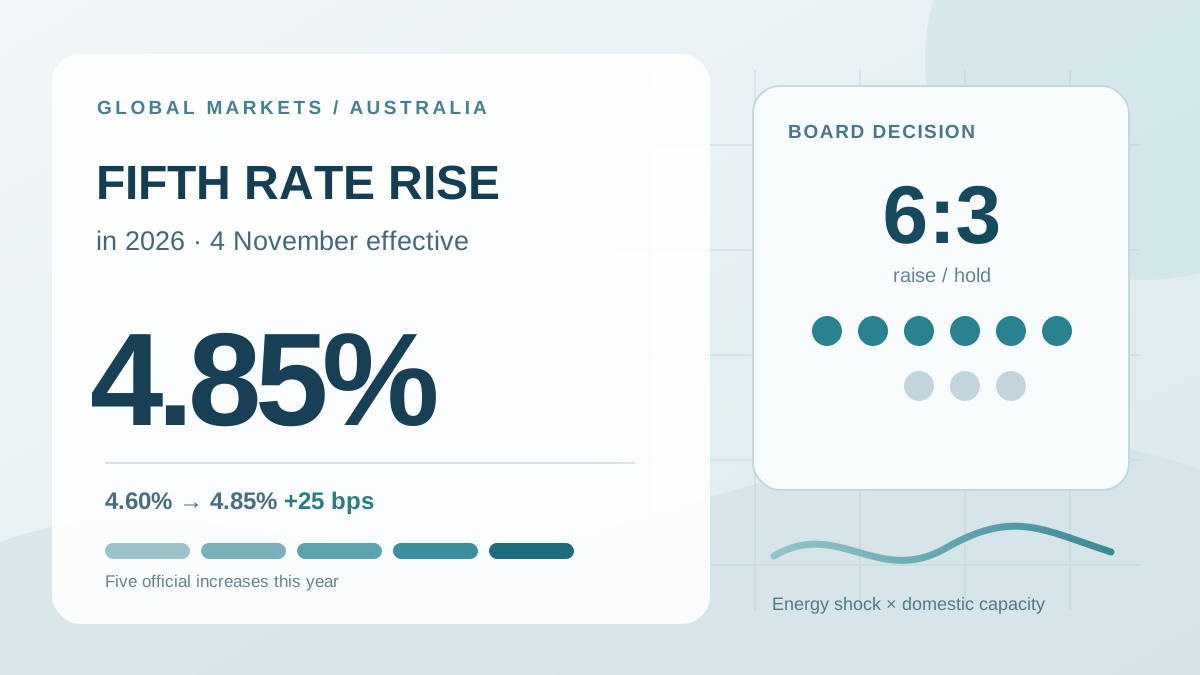
Australia raised its cash rate to 4.85% after a 6–3 vote, the fifth increase in 2026. The RBA says domestic capacity pressures—not just expensive oil—help explain the decision.
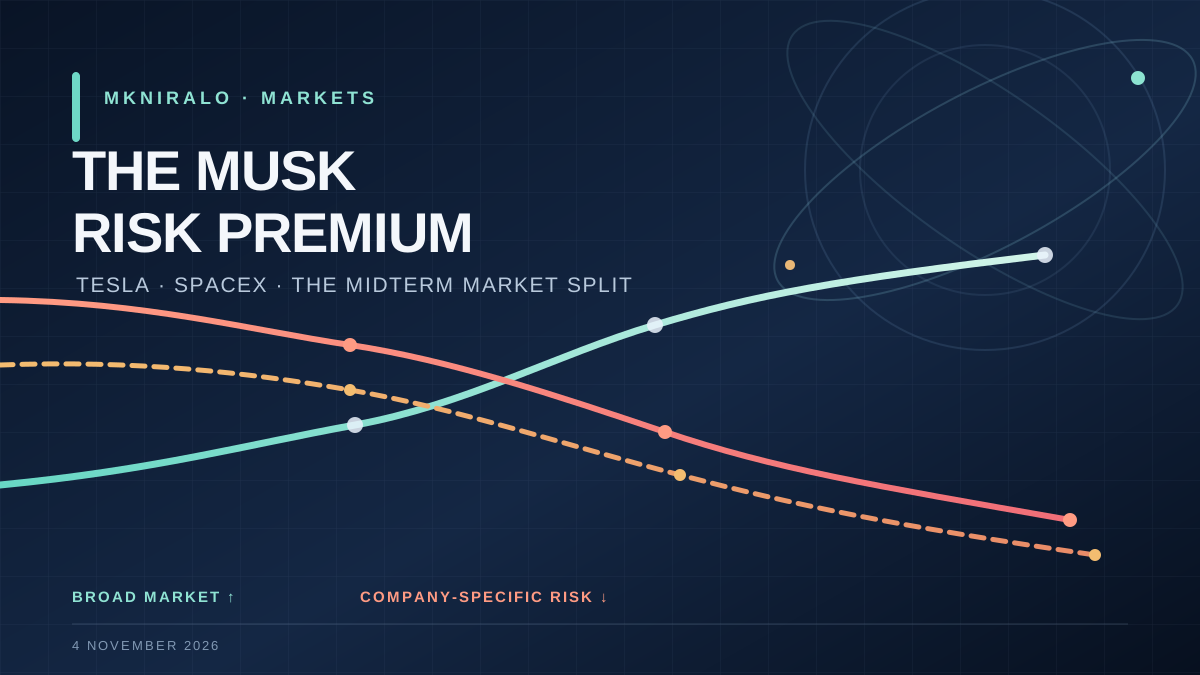
Tesla and SpaceX fell in premarket trading as major index futures rose after Democrats won Congress. The divergence points to company-specific regulatory and contract exposure—not a proven election-day causal link.
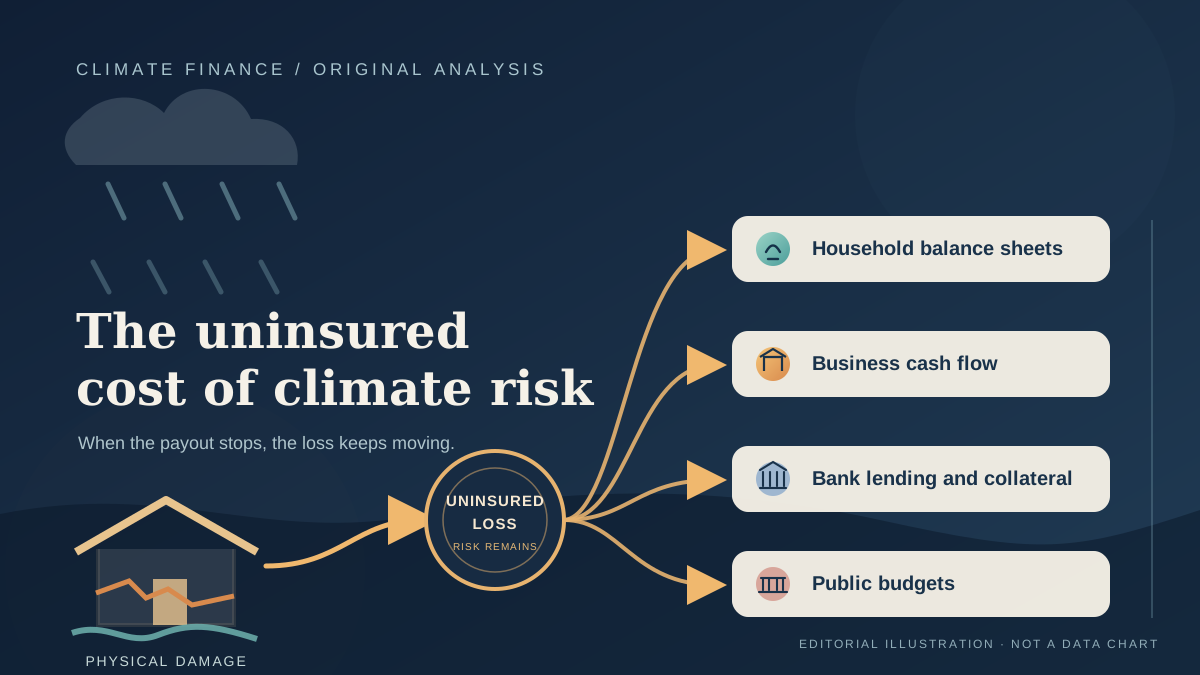
When catastrophe losses go uninsured, the bill does not vanish. It moves through household balance sheets, business cash flow, bank lending and public budgets—often long after the physical damage has occurred.
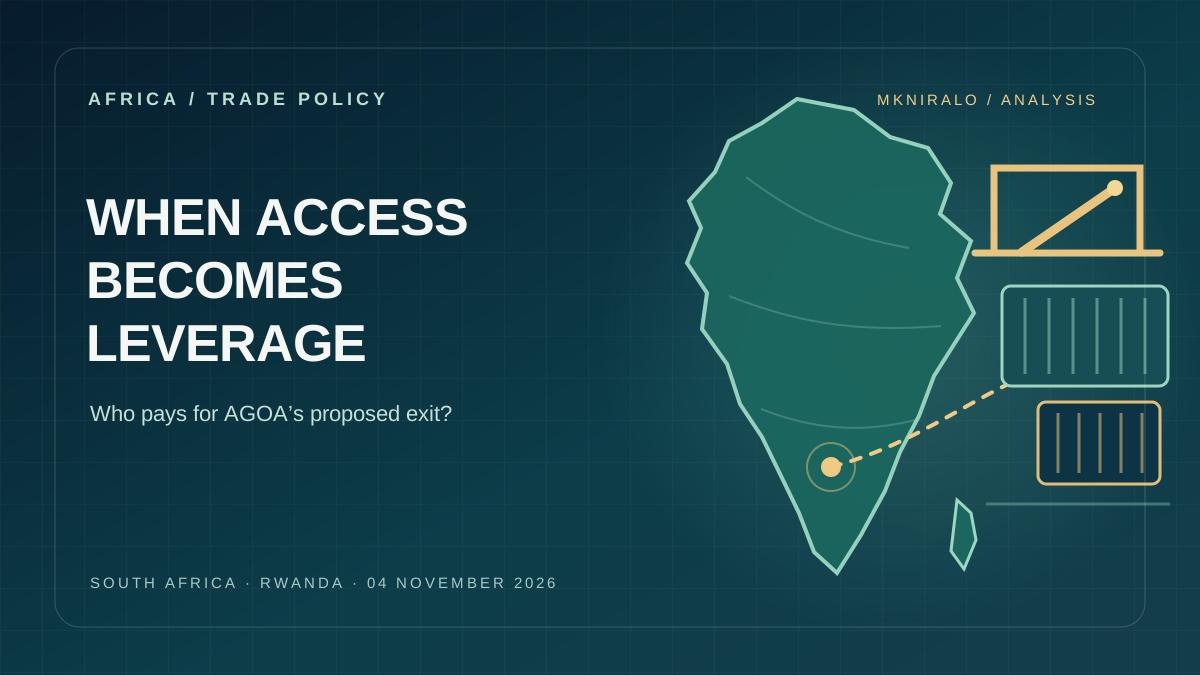
Washington’s notice to remove South Africa and Rwanda from AGOA is more than a tariff story. It tests whether a development preference can remain credible when market access doubles as foreign-policy leverage.
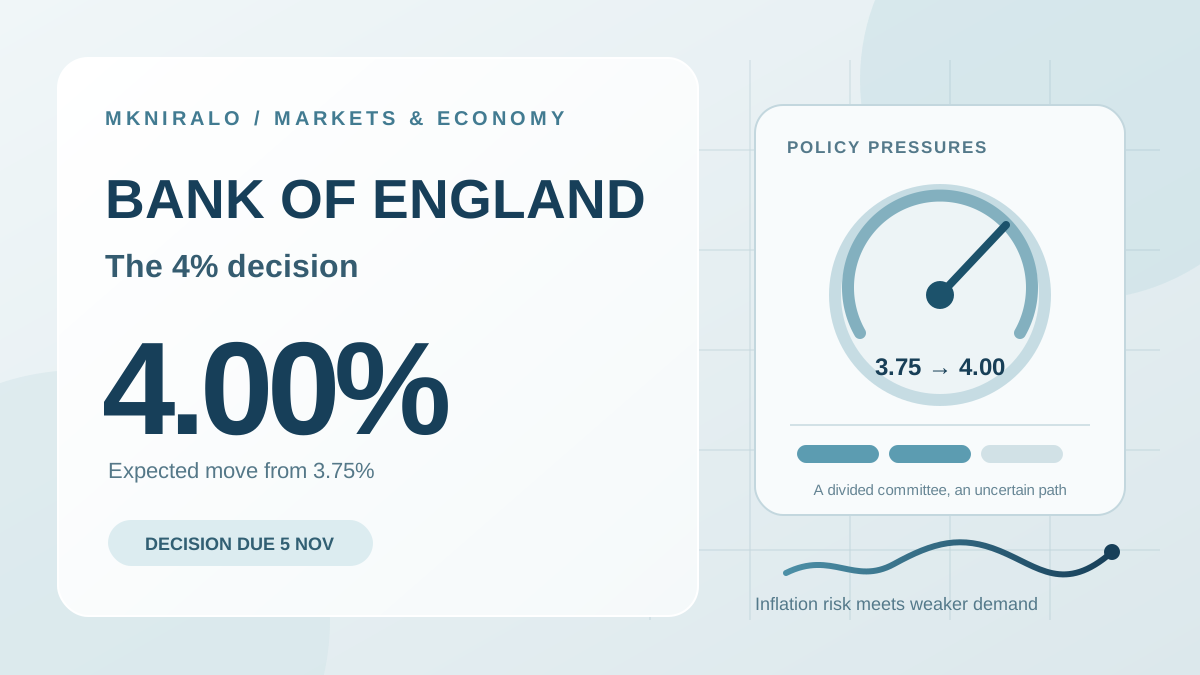
Economists expect the Bank of England to lift Bank Rate from 3.75% to 4.00% on 5 November. But the vote, new forecasts and debate over energy-driven second-round inflation may matter more than the quarter-point headline.
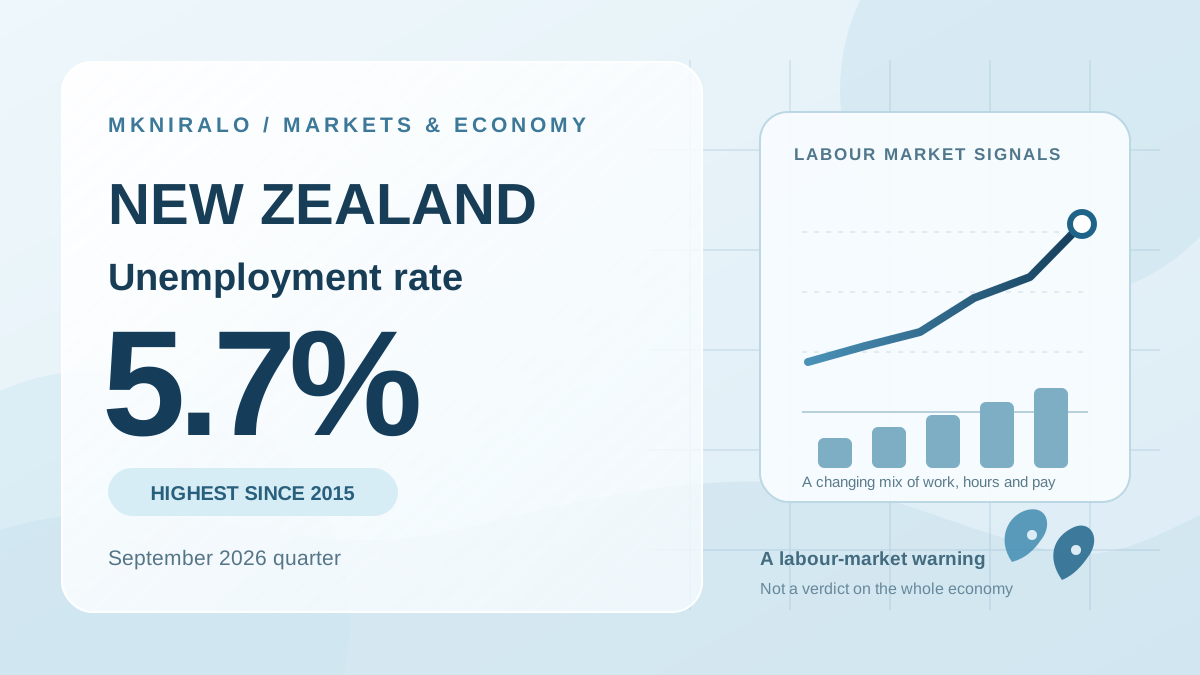
The September-quarter rate matched a level last seen in 2015. Employment barely changed, but participation, hours and the mix of jobs point to a broader cooling that complicates the Reserve Bank’s inflation fight.
China used the 37th APEC ministerial meeting to press for free trade and fewer barriers. But APEC is a voluntary, non-binding forum—not a body that can compel members to change tariffs.

INSEE’s provisional October estimate puts French CPI inflation at 3.4%, with energy prices up 24.1% year on year. The gap between the national CPI, the HICP and individual household bills matters.
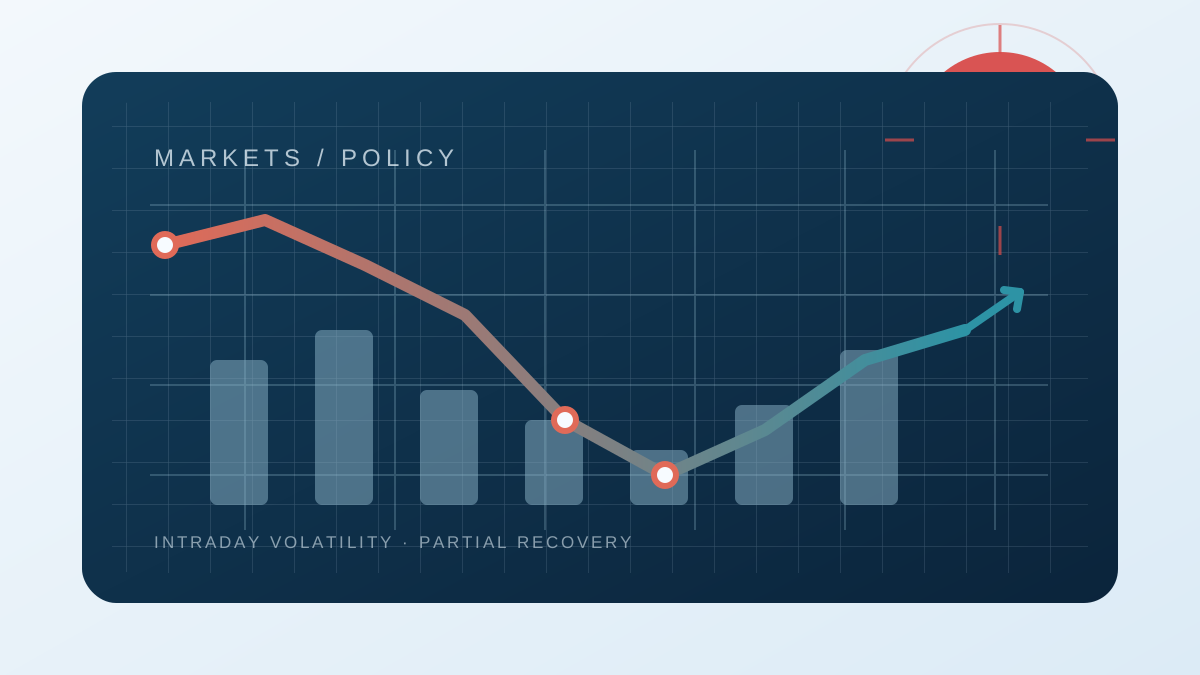
Japan’s benchmark touched an intraday low about 4.8% below its previous close after Democrats took both chambers of Congress, then recovered to finish down 1.42%. The difference between the low and the close—and the index’s technology weighting—matters.
Senegal's National Assembly rejected a revised 2026 finance bill after lawmakers challenged the credibility of its forecasts and spending choices. The dispute now intersects with a still-pending IMF programme.

The IEA now projects a 3% fall in global LNG supply in 2026, conditional on continued disruption through the Strait of Hormuz. Europe enters winter with its smallest gas storage buffer since 2013.

China's central bank will raise financial institutions' foreign-exchange reserve requirement from 4% to 6% on November 15. The move affects foreign-currency liquidity, not the renminbi deposit reserve ratio.
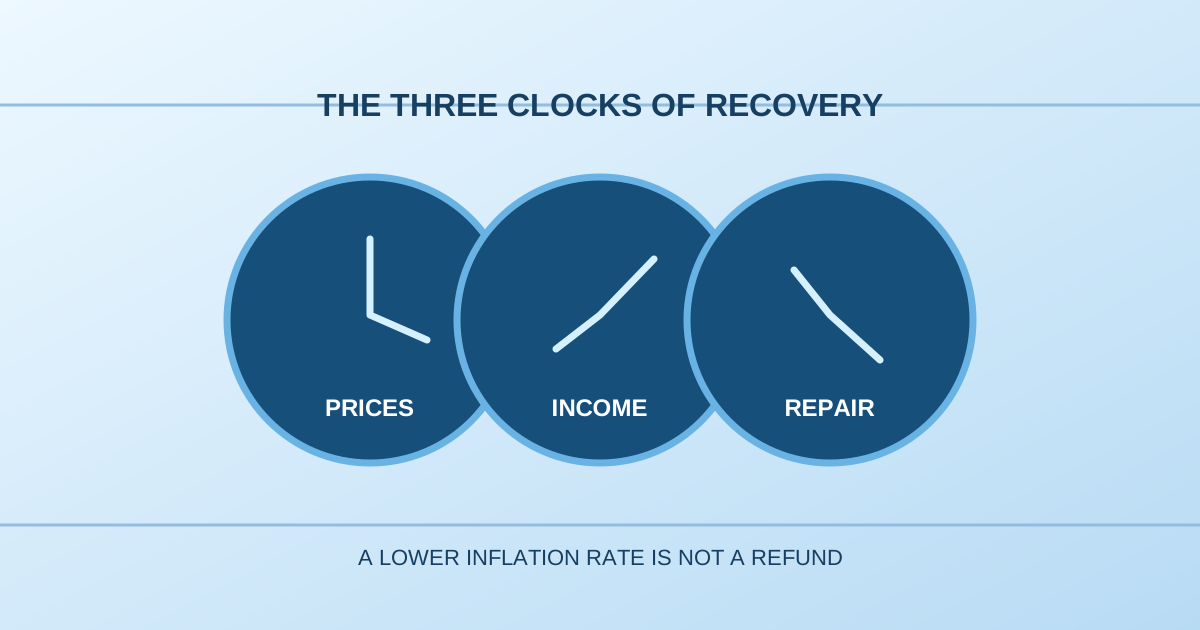
Slower inflation is not the same as restored purchasing power. Using Argentina's official data, this original long-form essay develops and stress-tests a three-clock framework for economic recovery.

Seventeen Pacific fisheries agency members have formally submitted a proposed bigeye tuna management procedure for WCPFC23. It could change rules for purse-seine and longline fisheries, but has not yet been adopted.
The Bangladeshi government appointed a six-member wage board after garment worker protests. The existing monthly minimum is Tk12,500; workers' demand for Tk30,000 remains under review.
The government has filed Project 477/2026C, a wide fiscal package combining spending restraint and tax changes. It is a proposal for Congress, not a law or an approved savings plan.

USDA confirmed Arizona's first New World screwworm detection in a dog on 28 October, while cattle imports from Mexico resumed at Columbus, New Mexico. The two developments show why border trade is reopening in stages under surveillance and animal-health safeguards.
Thousands returned to Lisbon's Rossio Square against a proposed rental-market rewrite. Parliament's own record shows that the bill passed an initial vote but is not yet law.
A new pan-African institution was established in Abuja with $5 billion in authorized capital. Its significance depends on real subscriptions, projects and the balance between energy access and fossil-fuel exposure.

Nationwide's October data shows annual house-price growth at just 0.5%, while mortgage approvals have fallen. A stagnant price tag does not automatically create an affordable home.
August output was flat and September's early estimate points down, but Canada's central bank just raised its policy rate. The tension is between weak activity now and inflation it expects to persist.
Euro area output rose 0.4% in the third quarter, beating forecasts. The contrast between resilient GDP and households' energy bills is the economic story behind the headline.
OpenAI and ServiceNow are bringing enterprise actions into ChatGPT. The immediate integration is real, while promised security, voice and Codex features have different release timelines.

Britain's CMA is investigating proposed Meta business terms tied to publisher website content. Here is what the regulator is examining and what remains undecided.

New funding reports and an upcoming AI IPO have sharpened the question behind the technology sell-off: who can finance the buildout, on what terms, and how soon can the investment produce durable returns?

Choose productivity software by testing real workflows, adoption friction, accessibility, data portability and the full cost of staying or leaving.